
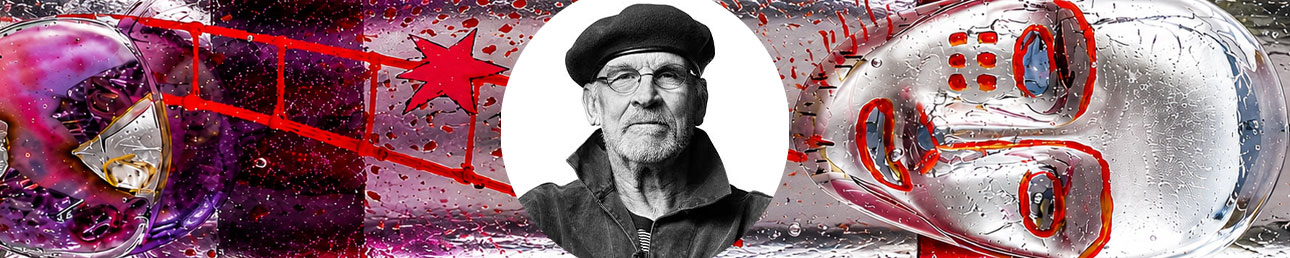
Bertil Vallien – Glass from Kosta Boda
| "The glass is an invisible material that eats the light and forwards it. No other work material is so volatile and wayward. That's why I'm so fascinated." |


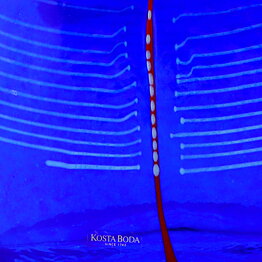
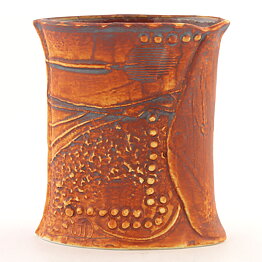
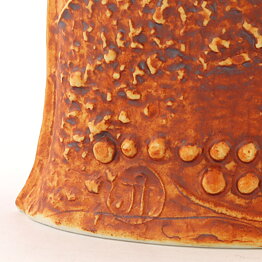
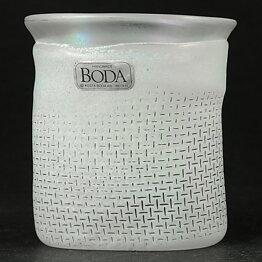
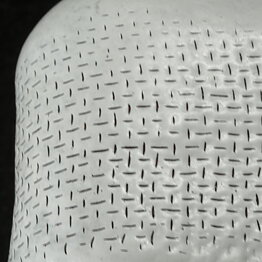
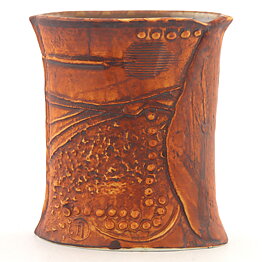
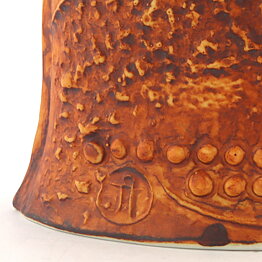
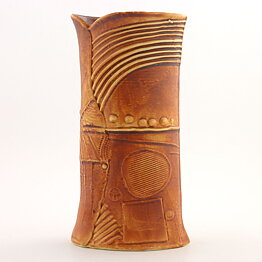
.jpg?max-width=262&max-height=262&quality=85)
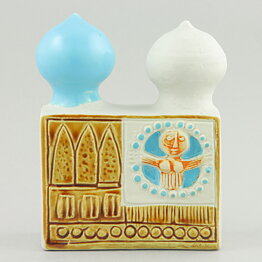
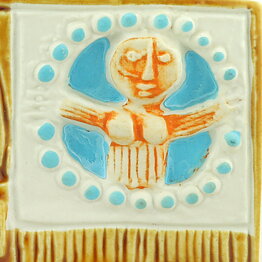
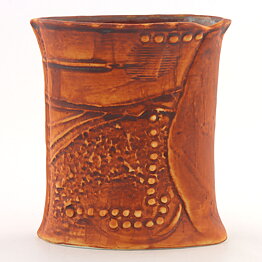
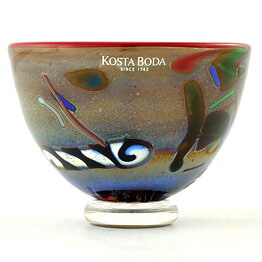
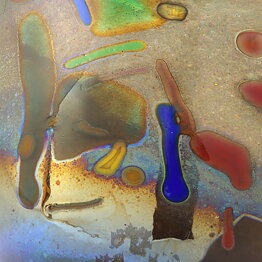
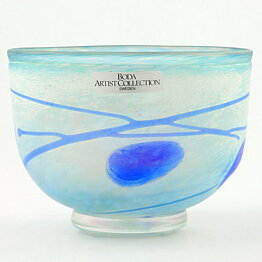
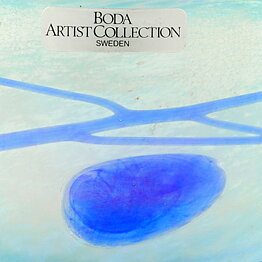
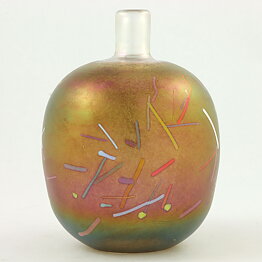
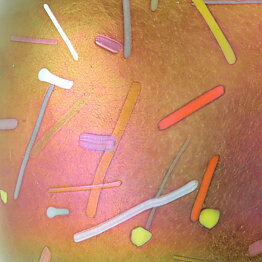
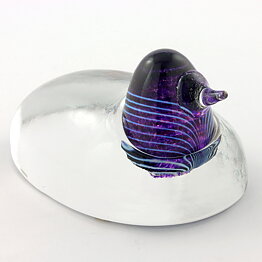
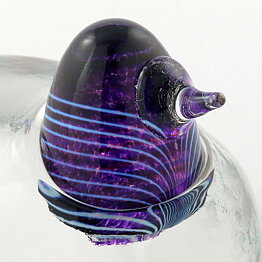
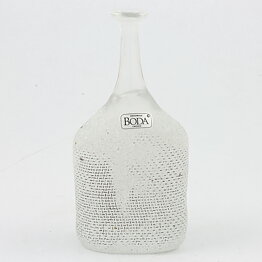

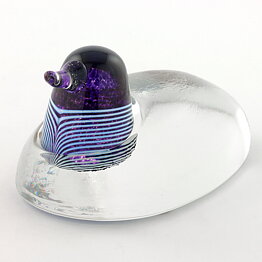
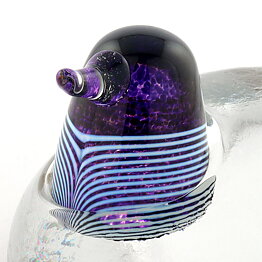
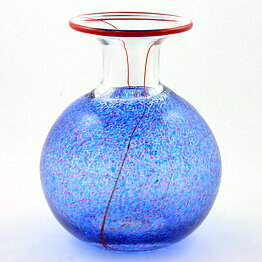
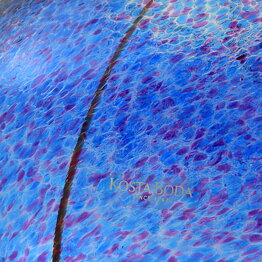
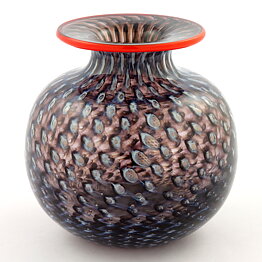
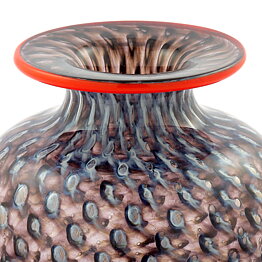
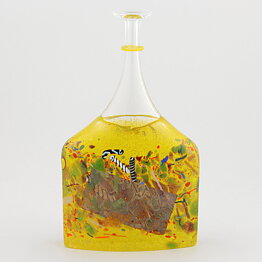
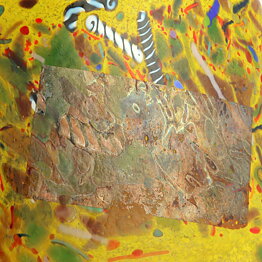
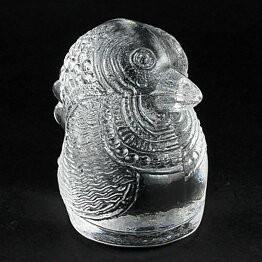
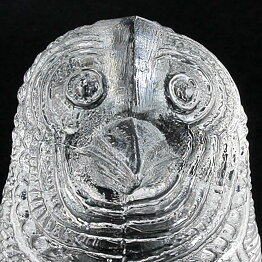
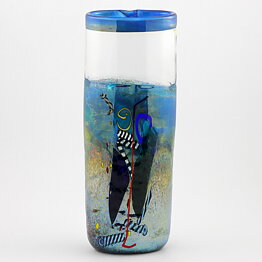
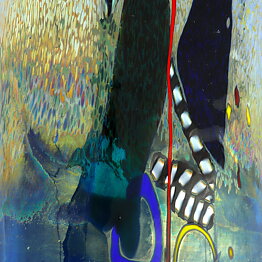
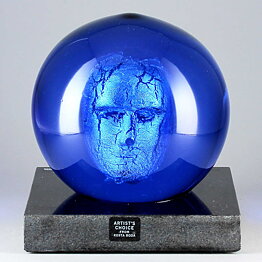



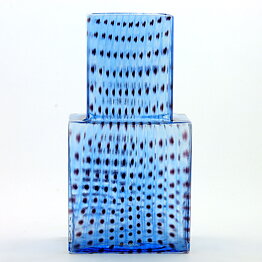
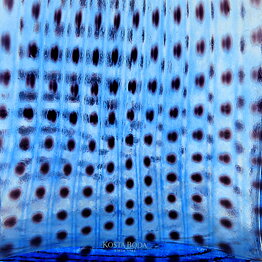
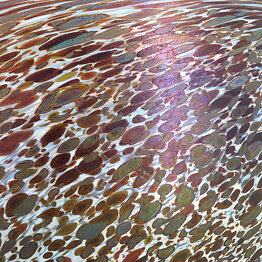
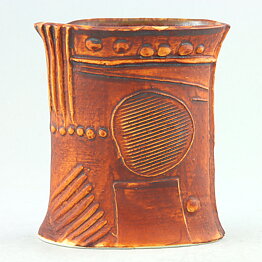
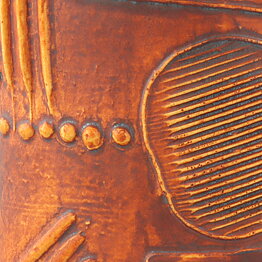
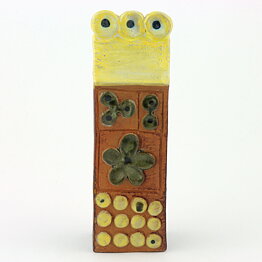
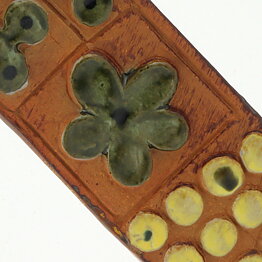


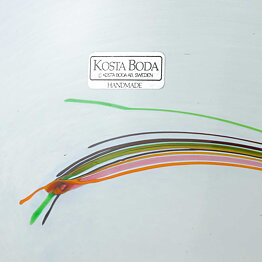
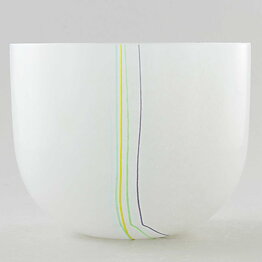
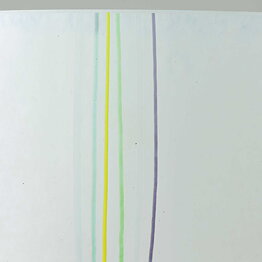
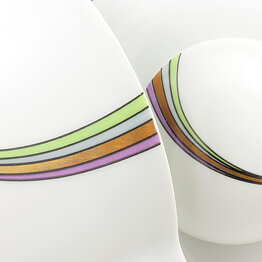
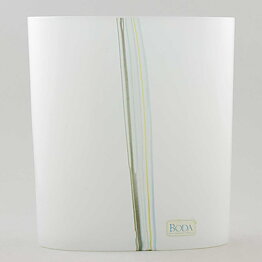
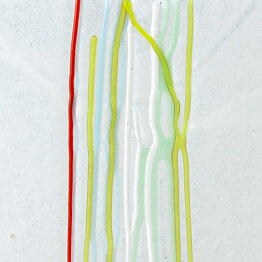
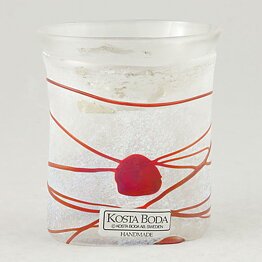
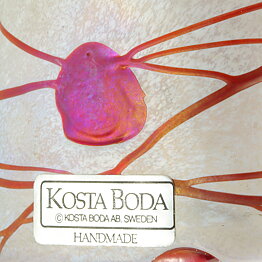
![Bertil Vallien (Rainbow 1982) Plate with Colorful Threads Decor 17 cm [Sample Images]](https://cdn.abicart.com/shop/4412/art12/h3408/224673408-origpic-86a60f.jpg?max-width=262&max-height=262&quality=85)
![Bertil Vallien (Rainbow 1982) Plate with Colorful Threads Decor 17 cm [Sample Images]](https://cdn.abicart.com/shop/4412/art12/h3408/224673408-origpic-589347.jpg?max-width=262&max-height=262&quality=85)
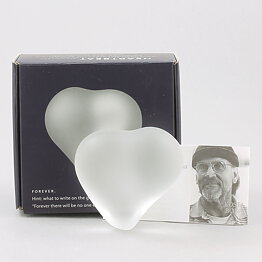
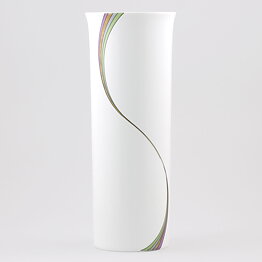
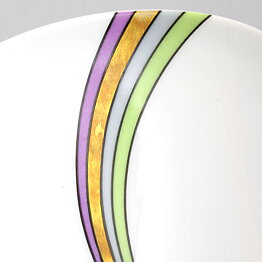
Bertil Vallien – A Short Biography
A Glass Artist's Childhood
Bertil Vallien (1938–) was born in Sollentuna, just north of Stockholm. He and his six siblings grew up in a strictly religious and restricted family environment. But early on, Bertil discovered the joy of creating.
| "I came from a rather uncultured environment, a working-class home, where you didn't have a clue what you were worth. There was no sparring partner, no one to measure up against, no one who valued what I did. Except they loved to watch when I drew horses." |
One of Bertil's great idols was the multi-artist Bo Notini who ushered him into the imaginative world of art. Bertil attended his evening classes and saw a teacher and a mentor in him. Bertil also came to visit Notini’s remarkable studio with numerous antique sculptures and all kinds of sketches.
VIDEO: Bertil Vallien about his youth. (English subtitles available)
Successful Studies at Konstfack
In 1955, Bertil Vallien joined the ceramics program at the art school Konstfack in Stockholm. Many of his classmates had grown up in environments where art and aesthetics were a natural part of life. Initially, he felt himself to be at a social disadvantage to them. However, Bertil studied diligently during his time at school, and, for a long time, he practically lived at the school.
| "I was overjoyed the day I discovered I wasn’t behind the others in creation, thinking, and knowledge." |

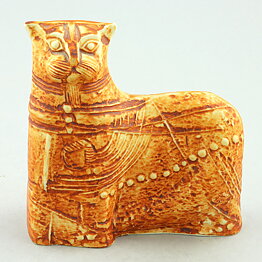
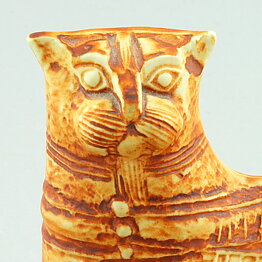
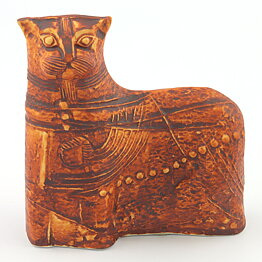
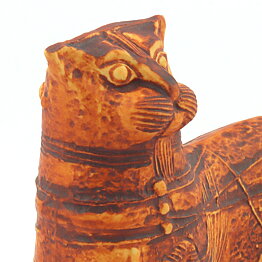
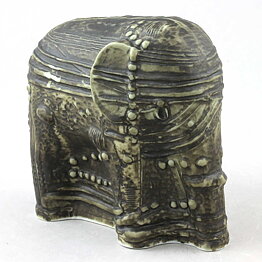
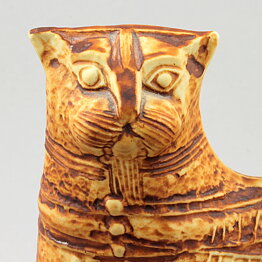
Stylized horse in stoneware from his school years

Bertil Vallien in the sculpting studio at Konstfack 1958
The successful master-of-all-trades artist Stig Lindberg arrived at the school in 1959 and became principal teacher. Lindberg conveyed a more limitless way of looking at art than the previous teachers. This suited Bertil, who was not afraid to try new materials and forms of expression. The young artist’s wild-minded ideas and bold projects now received support and guidance. At graduation, Bertil was named best student in his class.
VIDEO: Bertil Vallien about his encounter with glass. (English subtitles available)
American Action Pottery
After graduation, Bertil Vallien was offered short-term employment at a small ceramic factory in Los Angeles in 1962. Upon arrival, he immediately began drawing new models and quickly became a highly valued contributor. Not long after, Bertil got his own studio and was able to divide his time between designing for the factory and free artistic creation. Bertil flourished in a working environment that permitted experimentation and mistakes. Bertil worked in conditions that contrasted sharply with the prevailing perfectionism in many Swedish ceramics factories.
| "You can call it action pottery just as it is called action painting. The most important thing for this free school is how the clay behaves. Forcing it to discipline on the wheel is out of the question." |
The free sculptural works in stoneware were a significant focus during Bertil's stay. His sculpture "Family on Whale" received first prize in the Young Americans competition and he was named one of that 1962's premier young artisans in the United States.

Bertil in front of a Porsche during his time in America

The sculpture "Family on Whale" which received first prize in the competition "Young Americans"
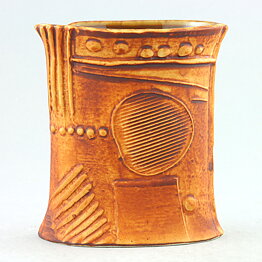
After his homecoming, Bertil would increasingly develop into a glass artist. But for short periods he resumed ceramics with, among other things, freelance work for Swedish companies. The well-known series "Bagdad" (Gustavsberg) and "Terra" (Rörstrand) are examples of such guest performances.
Arrival at Åfors Glassworks
At the end of time in the United States, Bertil Vallien met Åfors glassworks legendary manager Erik Rosén who wanted to hire him as a designer. This contact was principally why he returned to Sweden. The monthly salary was SEK 800 and free firewood for heating. Åfors glassworks in south-eastern Småland had been built as early as 1876, and at Bertil's arrival, the professional skills had long flourished. There were glassblower families that had been active at the glassworks since the start.

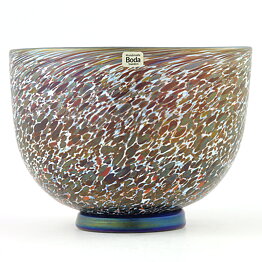
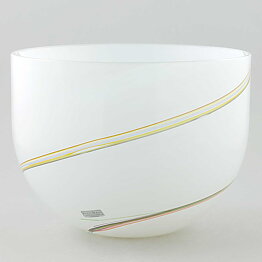
Unique bowl, height 11 cm

Bertil Vallien and glass blower Ingvar Jonsson at work at the foundry at Åfors
Bertil's employment meant that he designed for the glassworks for six months and then worked with his own artistry for six months. He arrived with some experience in glassworks, including a period as an assistant to the glass artist Erik Höglund at Orrefors. Often the fusion of vision and industrial realization would bring an abrupt awakening:
| "Glass cannot be made on paper. Many effects cannot be calculated. Therefore, I go down to the foundry in very early stages to make samples and try to get the reality as similar to my idea as possible. It happens a lot while working in the foundry. There are so many uncertain elements that cannot be predicted." |
Bertil did much of his development work in the foundry, which made the glass workers more receptive to his new ideas. He was rarely in his studio and, as a result, received more and more informal roles at the mill as a technical leader, supervisor, spokesman, and marketer.
Modern Times in Swedish Art Glass
Bertil Vallien was part of a new generation of designers who were tied to the Swedish glassworks. These were artists with mainly ceramic education. This generation no longer placed the same emphasis on imitating the Greek and Roman classical art. Instead, the ideas of modernism entered Swedish art glass both in form and in handling the material. It was a revolutionary time in Swedish glassworks, where designers' intentions often went against the traditional standards of working with glass.

Bertil Vallien views glass blowing in solid form

Everyday use objects, height 14-23 cm
The Experimental Play of the 1960s
In the late 1960s, Bertil Vallien’s exhibitions swiftly succeeded each other. The experiments were numerous, and whims, many. It was the width and fearlessness to express himself in different ways that were dominant during this time. Through scientific experiments, he often discovered that glass could withstand a treatment that the common glassworks tradition had never believed it could.
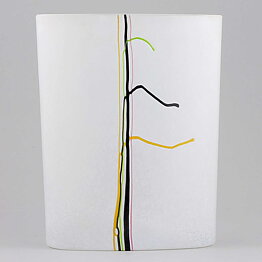
During this time Bertil further developed sandblasting, where a compressed air jet mixed with sand hits the glass surface. The surface is then sanded down to get a matte appearance where the permeability to light can be adjusted. Surfaces that would remain shiny were often protected by stencils or glue. Bertil developed a kind of glue that gave opportunities to paint on the glass, which led to an increased wealth of decors. Ingenious geometric patterns often shared space with swelling irregular shapes.

Unique vase, height 25 cm

Bertil Vallien at work on a glue-painted vase before sandblasting
Bertil's unique glass from the period usually paid heed to the glassblowing's naturally swelling and bubbling form. The swelling bubble was often placed on a cubic, solid piece of glass. A clear contrast was created between the floating and the stable. He removed himself further and further from the handcraftsmanship and awareness of the absolute pure form. But it does exist in his own repository as a base. It may be that it’s not until you master the perfect shape that you can remove yourself from it.
| "Handcraftsmanship is just a means that must never be an end in itself. On the contrary, I try to get away from the pure craftsmanship. It can often turn into the bondage of the creator. If you are too driven in a certain technique, that often means you become fixated by it. You become a virtuoso, but it will be a technical skill that is emotionless." |
VIDEO: Bertil Vallien about the experiments of the 1960s. (English subtitles available)
Friendships and Craziness
Bertil Vallien's powerful artistry during the 1960s was also found in other new glass artists who were employed at Småland's glassworks. Among these were Ulrica Hydman-Vallien, Ann and Göran Wärff, Rolf Sinnemark, Björn Ramél, and Monica Backström. This group of young artists supported and inspired each other while being competitors. It was a good friendship that provided strength and opportunities to break through as a designer. Swedish glass was in the midst of a Renaissance.

Bertil Vallien traveling in a hot air balloon

Unique Vase, height 32 cm
The young artists were an intellectual group that planned various arrangements with abundant joy. Åfors became a gathering point and the many imaginative parties in the "Kingdom of Crystal" soon became legendary. For Bertil, support in the companion circle was of the utmost importance, and he became the leader and inventor of all kinds of activities.
The Fight for Handmade Glass
At Åfors glassworks, all production was done on a craftsmanship basis, which differed from most other Swedish glassworks. Bertil Vallien took the lead in this and said that the nation's glass industry would only survive through craftsmanship.
| "I am reactionary enough to believe in the craft. The hand can never be replaced by a centrifuge or a mold. Crafts are glassblowing, sanding, proven knowledge, experience and sense of form. It is the heart's and mind's addition to production." |
The Swedish glassworks never invested in the automatic machines that are now available at the large glass factories in Europe. From the 1980s onwards, Swedish glass production instead focused on art glass. New generations of young designers are now employed by the glassworks and revitalize the design. Time showed how right Bertil was.

Vase from the series ‘Minos’, height 25 cm

Ulrica Hydman-Vallien and Bertil Vallien with art glass in their hands
Artist Collection and Studio Series
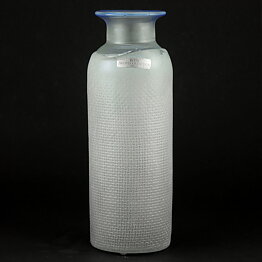
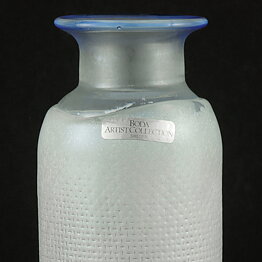
In 1976 Bertil Vallien started his "Artist collection" at Åfors glassworks. This collection came to consist of art glass in large editions where the glass blower received a large degree of freedom in the design. However, there was a definite basic form, but it was the craftsman's skill and feeling that completed the work. The glass workers at Åfors thus became more involved in the result. The Artist collection was a success and created the conditions for the small and partly outdated glassworks to survive. Artist collection series such as Aphrodite, Volcano, and Apostrof beautify many Swedish homes today.

Bertil Vallien holding a unique sculpture

Vases from the series ‘Vulcano,’ height 6-22 cm
The same philosophy was also behind Åfors' so-called "studio series," but with the difference that each object was made in a limited edition and under the artist's supervision. These series were signed and numbered. From the late 1980s, the term "limited edition" was often used for the studio series.
VIDEO: Bertil Vallien about the ”Artist collection. (English subtitles available)
Glassware and Château
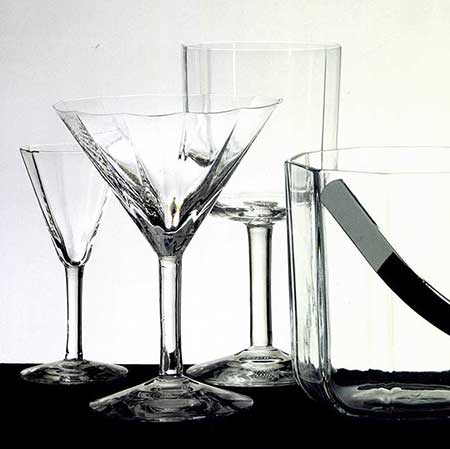
Bertil Vallien has designed dozens of glassware series over the years. The most famous is Château designed in 1980-1981 for the nearby Johansfors glassworks. The thin legs of the wine glass and the optical effects of the cup made it impossible for the shape to be copied in machine production. Château's tremendous sales success came in time to save Johansfors from closure. The series has since been expanded and today comprises a total of 17 types of glasses.

Wine glass in the Chateau series, 30 cl

Bertil Vallien during the design of the Chateau series
Glass as an Image Carrier
Bertil Vallien's first bowls and vases were primarily decorated with lines, rounds and floating stylized heads like masks. Later, the surface of the art glass became more comparable to a painting canvas where fabulous landscapes and figure scenes could emerge. Many of the bowls and vases – not least in the 1970s – were blown in molds of sand. This technique provided more significant opportunities for giving the objects the intended shape. It also offered opportunities to create individual molds, in which only one unique object was blown.

Bertil Vallien in front of a public decoration

Unique bowl, height 20 cm
The Art of Sand Casting
When Bertil Vallien developed the method with glass casting in sand molds during the 1970s, it was a technical novelty in glass art. This method then became a well-known signature for him. But many hours of hard work were behind this success.
| "There were experiments, failures, and lessons learned from mistakes. Glass shrinks, sweats, cracks and can explode. Snowfall and thunderstorms can make the oven stop. Anything can and does happen. I had a lot of experts who, despite their knowledge, scratched their head just like me. Why did a boat crack after six weeks in the cooling oven and how slowly do you need to cool the glass?" |
A successful sand casting consists of several steps:
1. Bertil first creates all objects that will end up in the glass mass. Common objects are metal figures, colored glass heads, twisted threads, rods, and buttons. The handmade objects will have symbolic functions in the final artwork.
2. The red molding sand is prepared to a suitable moisture level and placed in a metal box. Bertil then uses a wooden model to create the shape that determines the size of the sculpture. At the actual casting, the sand adheres to the glass surface and gives it a red tone. Other colors on the exterior of the glass sculpture can be obtained by dusting the mold with different oxides. Bertil brings irregularities in the exterior of the sculpture through imprints of stamps and other things in the sand mold’s surfaces. Some of the prepared objects are now placed inside the mold. It is then carefully moved from the chilly molding room to the roaring fire in the foundry.

Hand manufacturing of objects that will end up in the glass mass

Bertil Vallien with sand casting mold and symbolic objects
3. The melted full crystal glass in the crucible has a temperature of 1200 degrees. Large metal scoops are filled with the inert mass which is then emptied into the sand mold. All are taken aback for a moment by the heat. For a short time, the prepared objects will be meticulously placed in the fiery glass mass. New scoops of glass mass are pored over, the heat is increased further.
4. The glass mass in the sand mold slowly starts to cool. Dazzling reddish colors first turn to red tones. The objects slowly appear in the glass. The hot and heavy mold is inserted deep into the cooling oven to slowly cool for several days. The result of the casting thus has to wait.

Glowing glass mass in the sand mold

Mold is inserted into the oven
It is technically difficult to sand cast as large glass sculptures as Bertil does. The largest boats are almost four meters long, and longer sculptures have not been cast in the world at all. The problems consist of the stresses that arise during large temperature differences between the surface and the core.
What lies behind his ability to cast large sculptures is a variety of factors: the composition of the glass mass, the moisture, and structure of the molding sand, the motion diagram of the casting, and the possibilities of cooling the large glass pieces according to a rigorous cooling schedule.
VIDEO: Bertil Vallien about sand-casting. (English subtitles available)
Boats Filled with Symbolism
From Bertil Vallien's sculptural motifs, the boat occupies the main floor. The first exhibition of these vessels was "Farkoster" at Konsthantverkarna in Stockholm in 1979. However, it wasn’t until 1983 that the first sand-casted glass boats arrived. His first exhibitions of these boats created great international interest.
Read more on our page about Bertil Vallien's boats.

Bertil Vallien with a wrapped glass boat

Limited edition boat, length 25 cm
The Headmaster
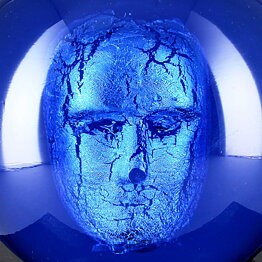
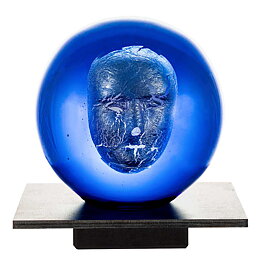
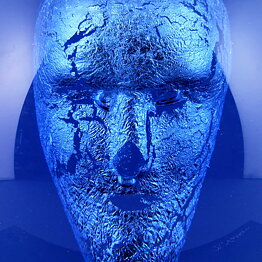
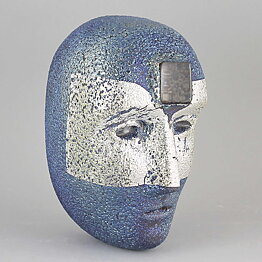
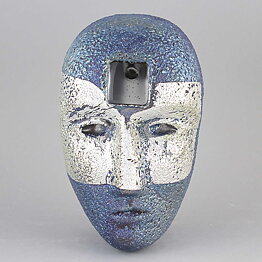
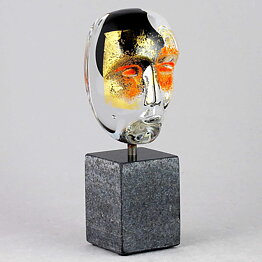
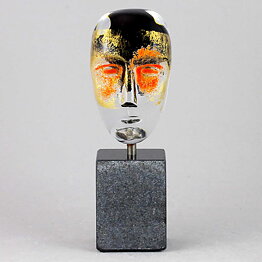
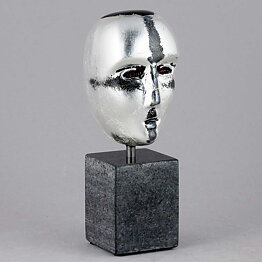
From 1994, Bertil Vallien began working with sand-casted heads. They were initially mounted on narrow stone bases so that they ended up at a human level. The simplified facial features of the heads gave them a spooky spirituality. Over the years, Bertil has designed many heads in all kinds of shapes, sizes and color schemes.
Read more on our page about Bertil Vallien's heads.

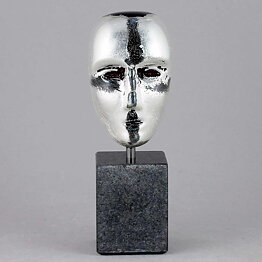
Sculpture from the series ‘Brains’, height 7 cm

Bertil Vallien with a steady gaze
The Altar Cabinet in Växjö
Bertil Vallien has received many public assignments over the years. He created the first in 1966 for Svenska Lloyd's vessel Saga, and it consisted of embellishments in ceramics and forging in the dining room. The undoubtedly best-known public assignment is, however, the 5.5-meter high altar cabinet in Växjö Cathedral. The work would take up most of his time in the years 2000–2002.

Bertil Vallien during work with the altar cabinet in Växjö Cathedral

The altar cabinet in Växjö
The altar cabinet is dominated by Christ on the cross against a bright sky. In the center, there are cobalt blue cast glass blocks, which overall can be perceived as a sea, but which in the details show 16 representations from the Old and New Testaments. In each door, there are six blue heads – the twelve apostles. The doors have a golden surface and in their lower part are rows of holes that symbolize humanity.
VIDEO: Bertil Vallien about the altar cabinet in Växjö. (English subtitles available)
A Swede in the World
Bertil Vallien has long been one of the world's most influential glass artists. His sand-cast artwork is represented in the world's most well-known art museums, such as the Metropolitan Museum of Art in New York, Victoria & Albert in London, and the Hermitage in St. Petersburg. He also conveys his knowledge as a guest professor abroad, especially at The Pilchuck School in Seattle, which is the center of the studio glass movement in the United States.
| "In America, glass art is an art form like any other; they do not have the same tradition of placing glass art in the craft trade. It feels liberating." |
VIDEO: Bertil Vallien about international exhibitions. (English subtitles available)
An Artist Does Not Retire
Bertil Vallien is still very much active as a creative artist. The base is now Kosta glassworks which bought Åfors in 1990. At the glassworks, some of Sweden's most colorful glass artists have their studios. Here, among others, Anna Ehrner, Lena Bergström, and Kjell Engman work in close cooperation with the skilled craftsmen in the foundry.
In Bertil's exhibition "Under ytan" (Under the Surface) at Spritmuseum in Stockholm 2018, black glass and darker motifs were at the center. Wrecked ships and desolate landscapes stood on pedestals in a dark room with a light source above it. The art objects were made in a coarse-cut black glass that suggested an archaeological excavation of a desolate civilization.

The exhibition 'Under ytan' in Stockholm

Bertil Vallien with his usual beret
The discovery of the black glass was made by mistake. Bertil wanted to produce a slightly darker blue glass and therefore ordered two grams of extra cobalt during the glass melting. Instead, it became two thousand grams extra, and the molten glass mass looked like asphalt when it left the crucible.
| "At first I thought it was completely ruined. Then I started working on it and thought it was amazing. It brought me completely different ideas than before." |
VIDEO: Bertil Vallien about black glass. (English subtitles available)
Bertil Vallien and Family Life
Bertil Vallien met his great love Ulrica Hydman during his studies at Konstfack. They were married from 1963 until her death in 2018. She was a famous artist who mainly worked with glass and painting. Bertil and Ulrica never worked together but were each other's mainstays and best critics. The couple had two sons, one of whom runs the Vida art hall on Öland.

Ulrika Hydman-Vallien and Bertil Vallien

Unique vase by Ulrica Hydman-Vallien, height 24 cm
References
Video:
The video clips come from Peter Kruse's documentary "Glasmästaren" which was shown on SVT 2015. It can be seen in its entirety here.
An Overview of Bertil Vallien’s Series for Kosta Boda
Bertil Vallien (1938–) has designed many classics for the Kosta Boda glassworks in Sweden. This overview shows many of his series from the 1980s and onwards. Only objects from the continuous production are included. Each series is presented with name, years, and a photo of one or more of the objects. Let's get going!

Admiral (1986)
.jpg)
Antikva (1986)
.jpg)
Aphrodite (1986)
.jpg)
Chateau (1986)
.jpg)
Christmas Ornaments (1986)
.jpg)
Club (1986)
.jpg)
Crystal Fantasy (1986)
.jpg)
Flower (1986)
.jpg)
Galaxy Blue (1986)
.jpg)
Galaxy Red (1986)
.jpg)
Jenny (1986)
.jpg)
Lamps (1986)
.jpg)
Minos (1986)
.jpg)
Mythos (1986)
.jpg)
Network (1986)
Oktav (1986)
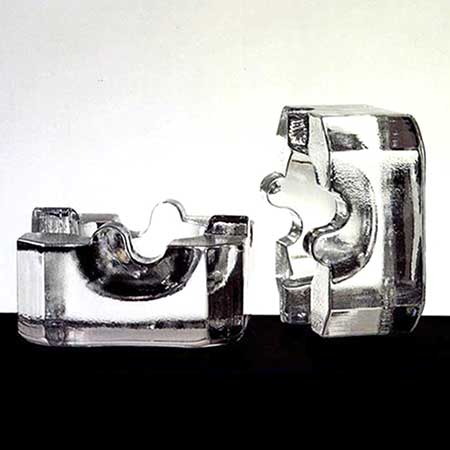
Puzzle (1986)
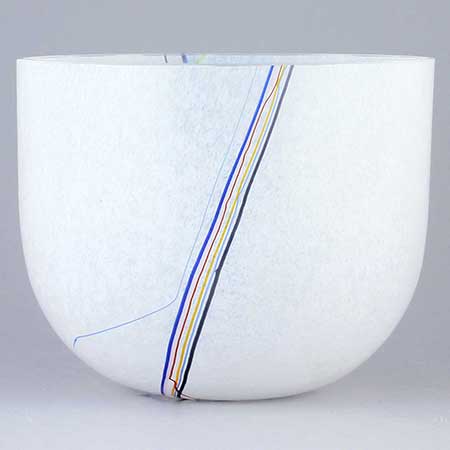
Rainbow (1986)
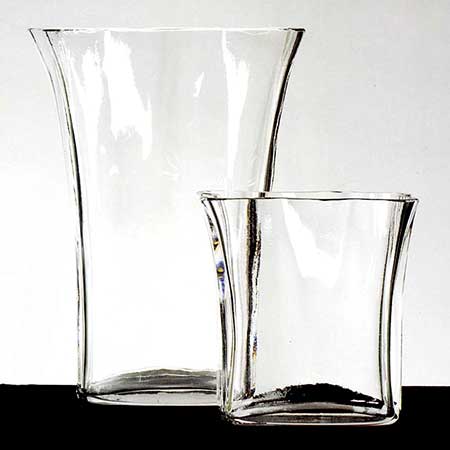
Rosette (1986)
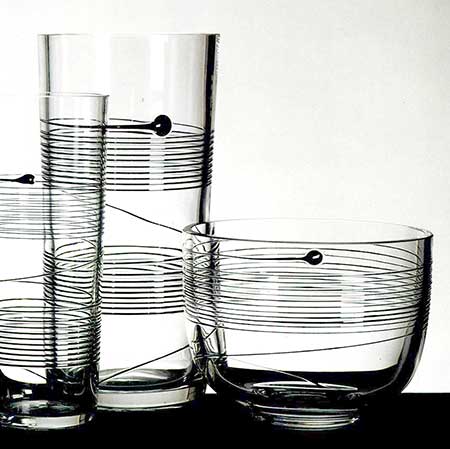
Spin (1986)
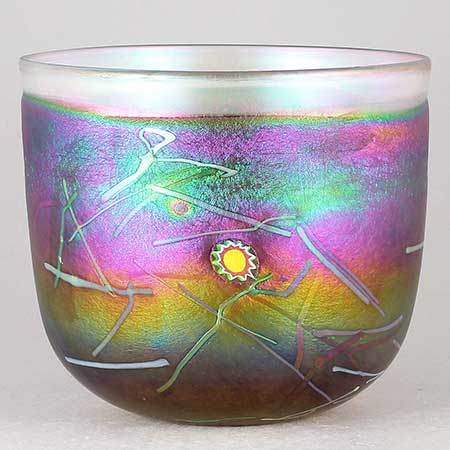
Tornado (1986)
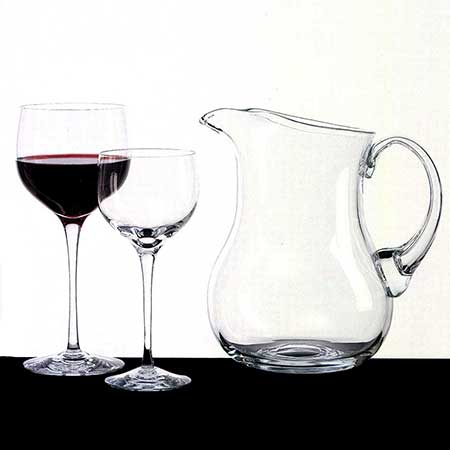
Ulrica (1986)
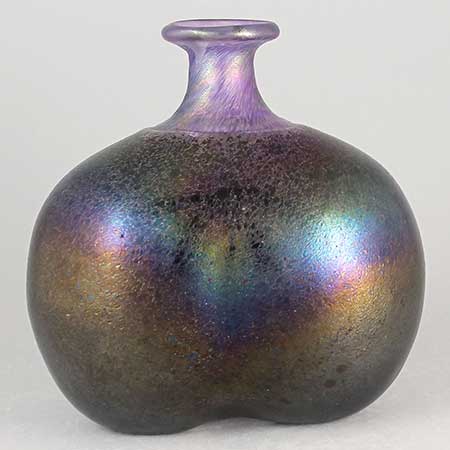
Volcano (1986)
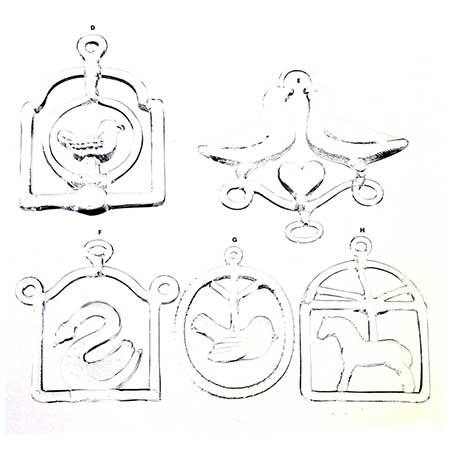
Window Ornaments (1986)

Windpipes (1986)
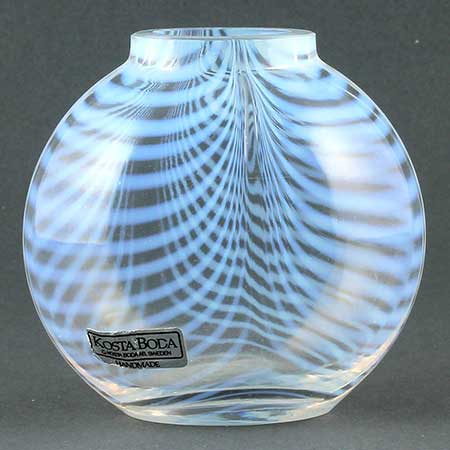
Zebra (1986)
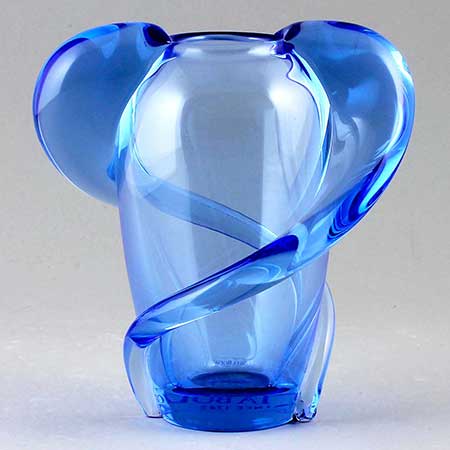
Apollo (1989)
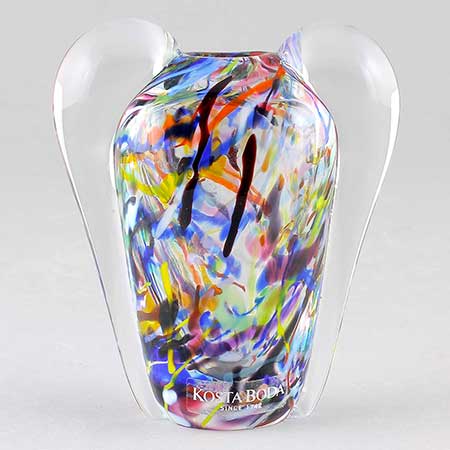
Centilop (1988)
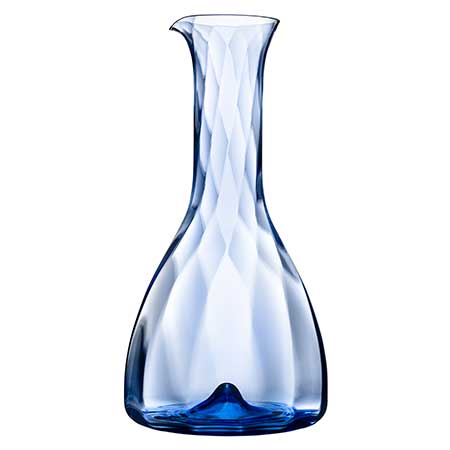
Chateau Blue (1989)
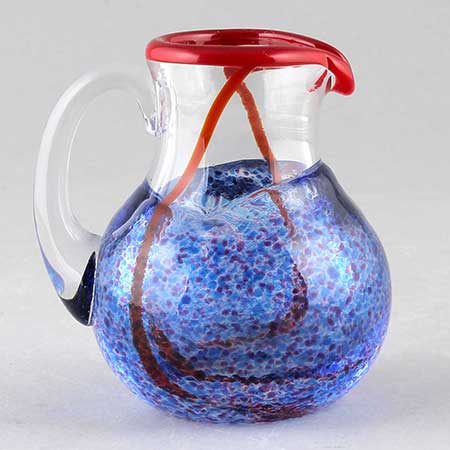
Meridian (1989)
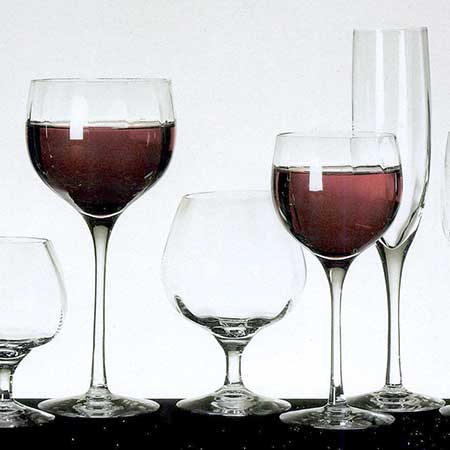
Nouveau (1989)
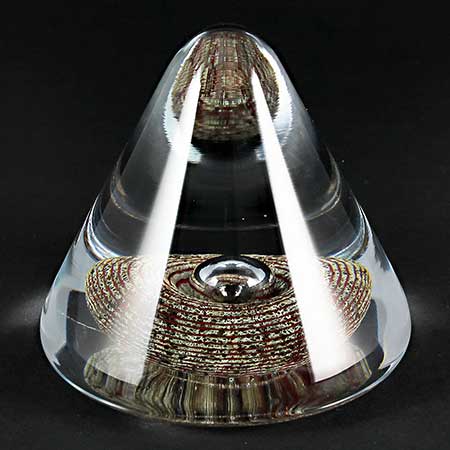
Paperweigths (1989)
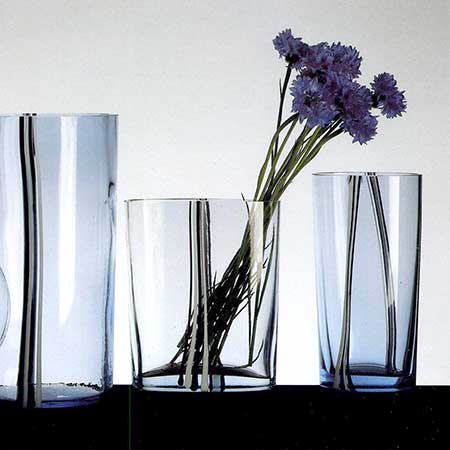
Rainbow Blue (1989)
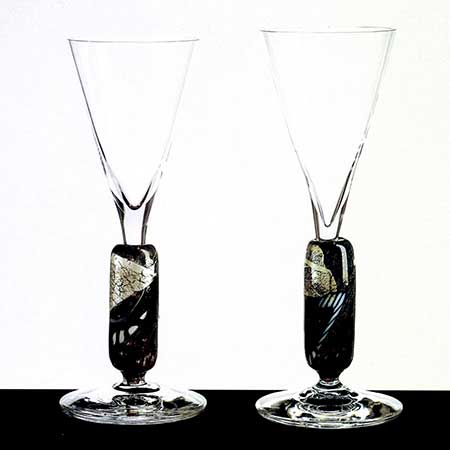
Bertil (1992)
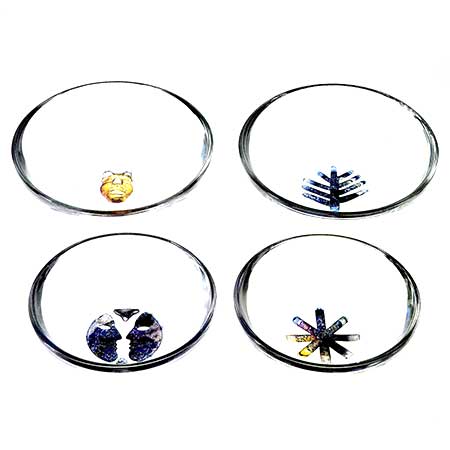
Accent (1993)
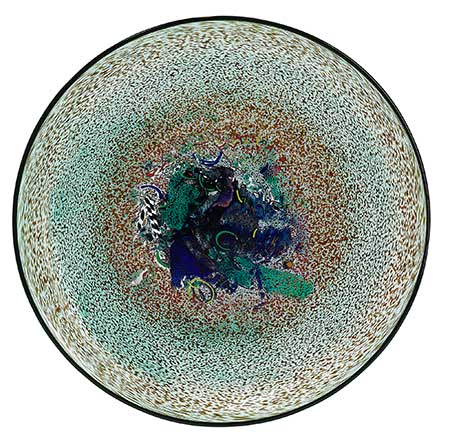
Meteor (1993)
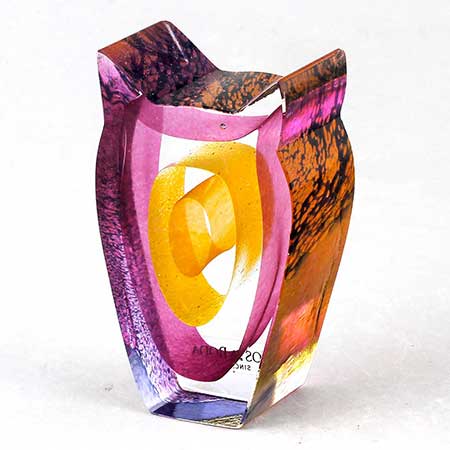
Mini Sculptures (1993)
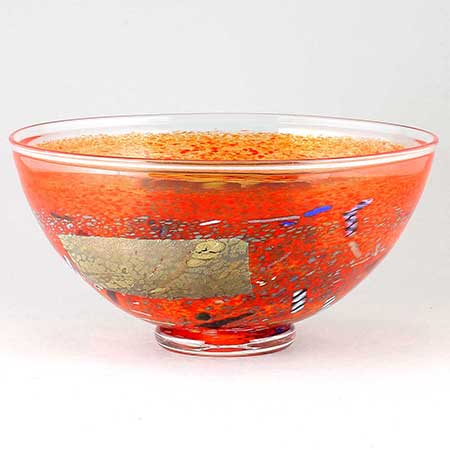
Satellite (1993)
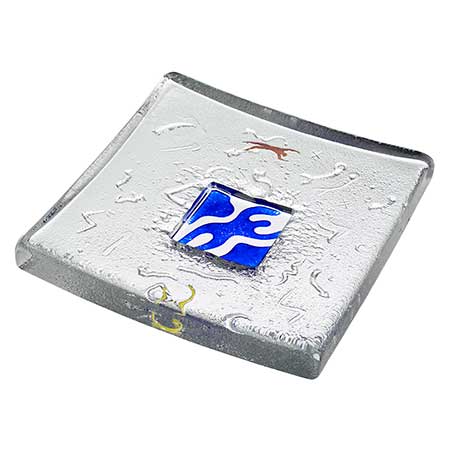
Domino (1994)
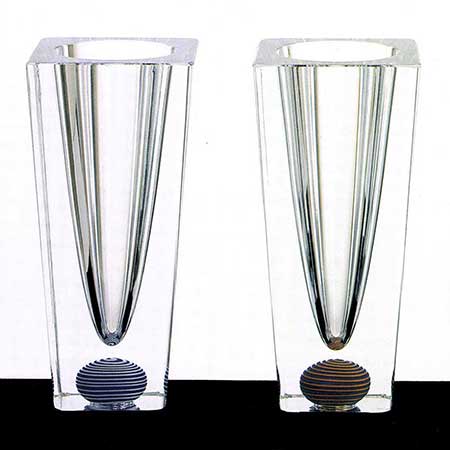
Orbit (1995)
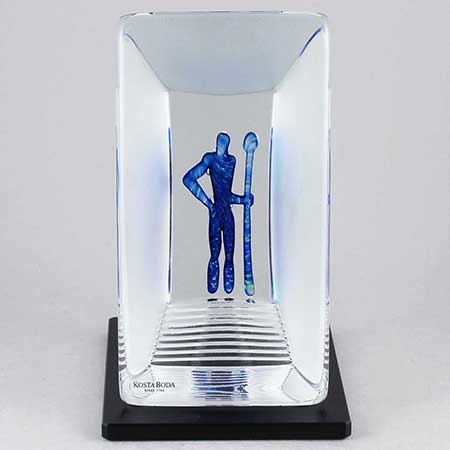
Viewpoints (1995)
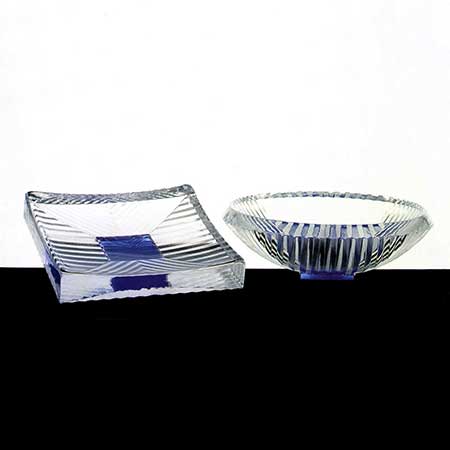
Amphi (1996)
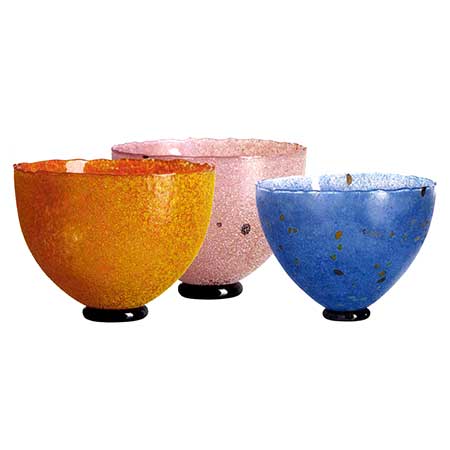
Chicko (1996)
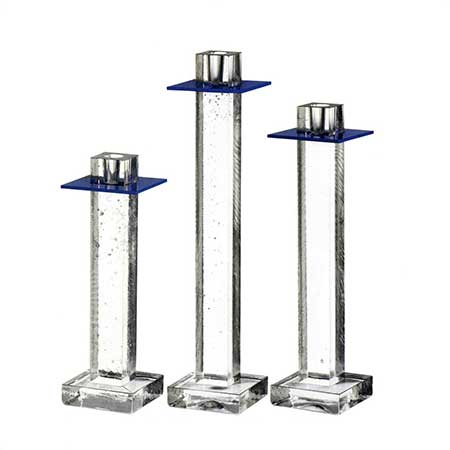
Tower (1996)

Chateau Boheme (1997)
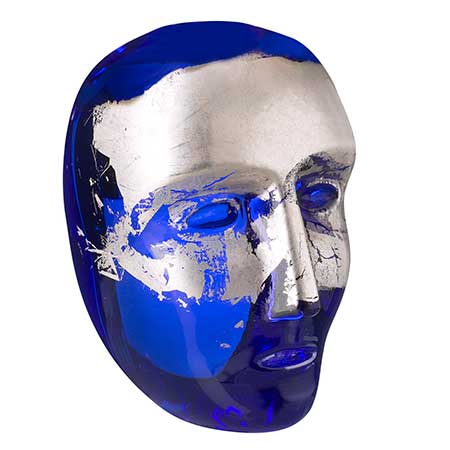
Brains (1999)
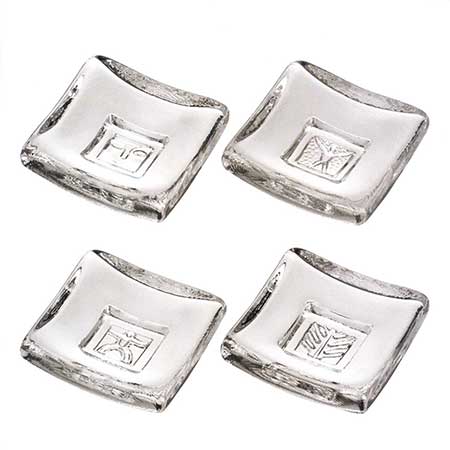
Days (1999)

Millenium (1999)
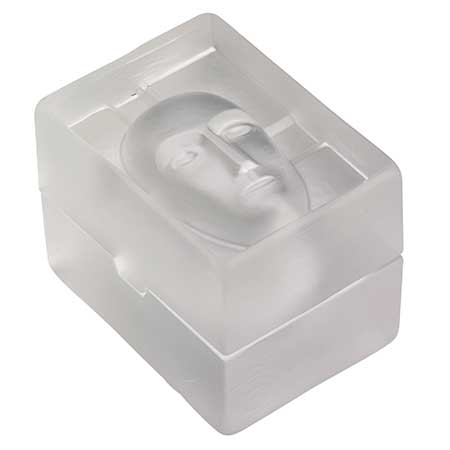
Cell (2000)
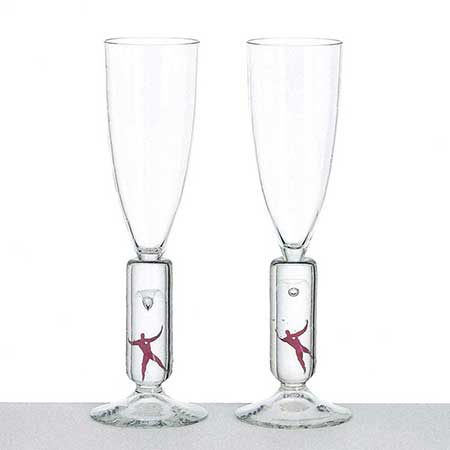
Two (2000)

Heartbeat (2001)
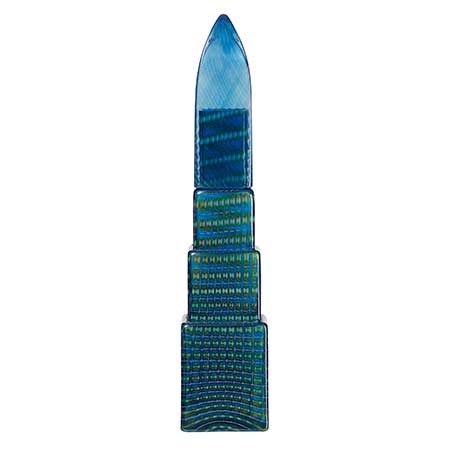
Metropolis (2001)
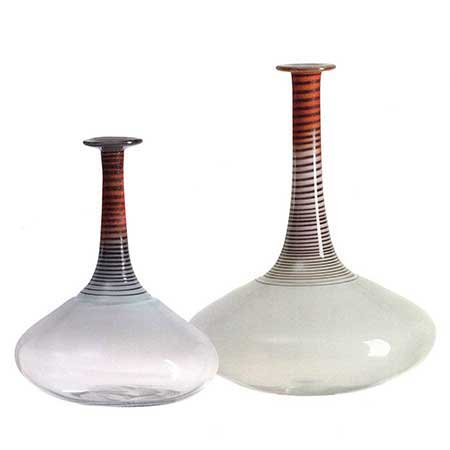
Spirit (2001)
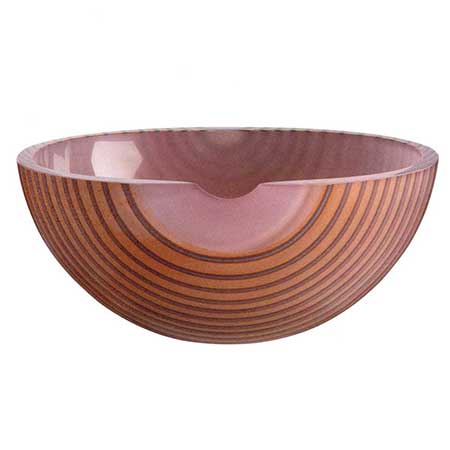
Oyster (2002)

Peacock (2002)
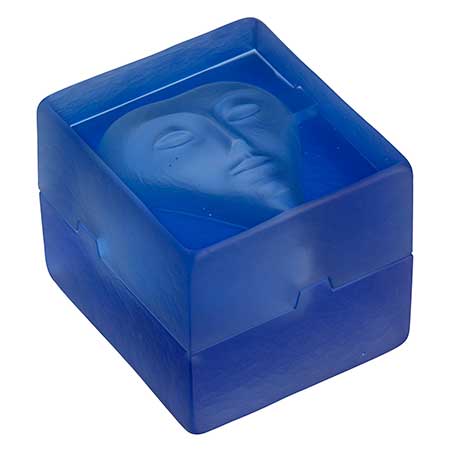
Chamber (2003)
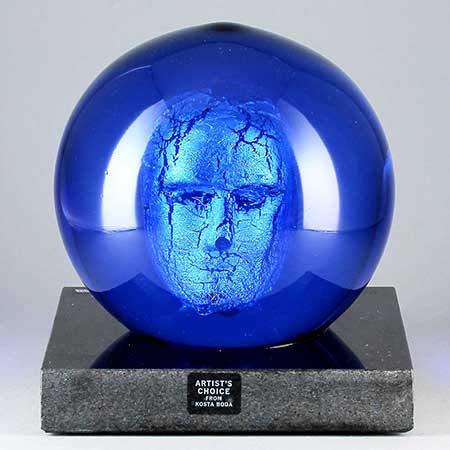
Headman (2004)

Icons (2004)
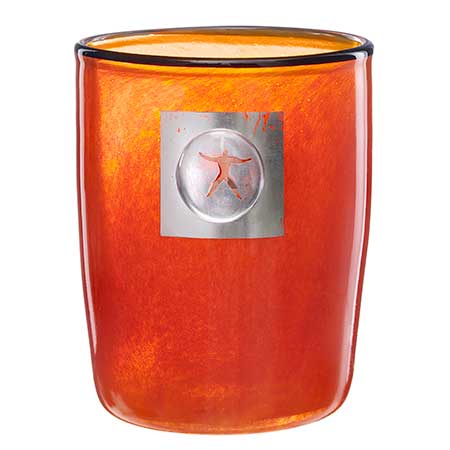
Jupiter (2004)
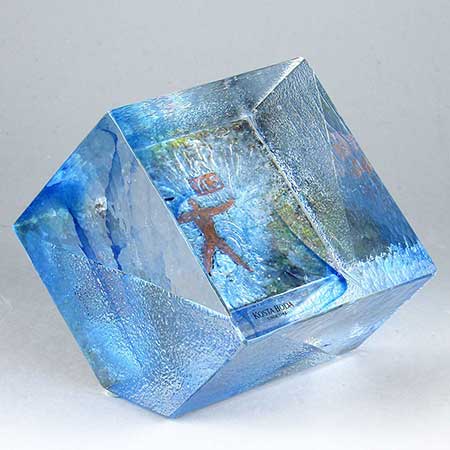
Messenger (2004)
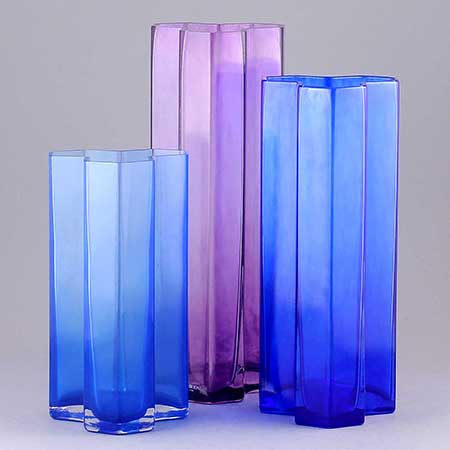
Mosaic (2004)
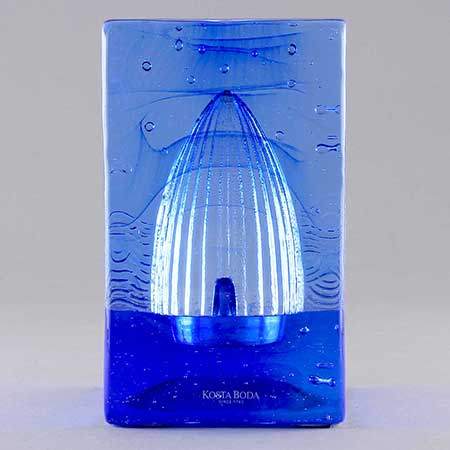
Starlight (2005)
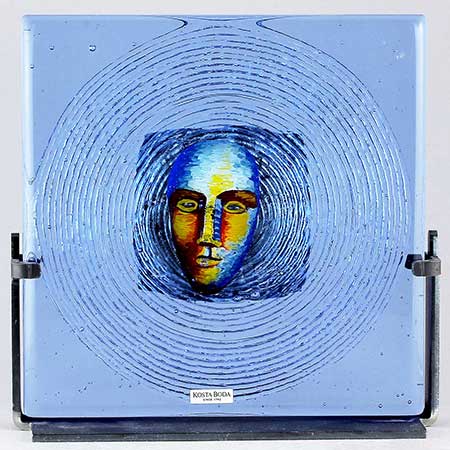
Dreams (2006)

Rudolph (2006)
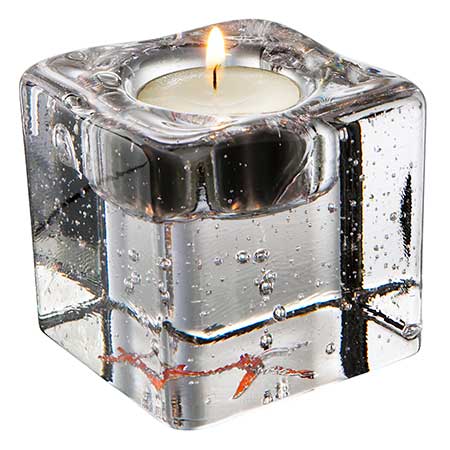
Cubic Light (2007)
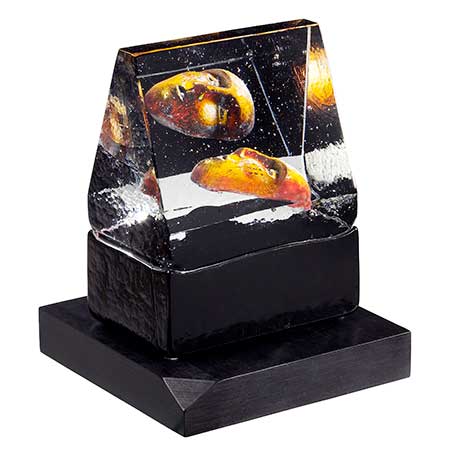
Black Elements (2008)

Schaman (2009)
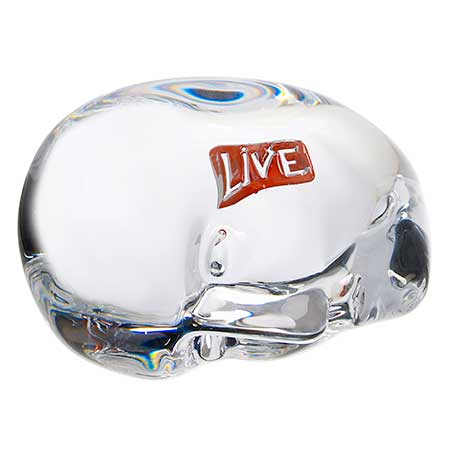
Thoughts (2009)
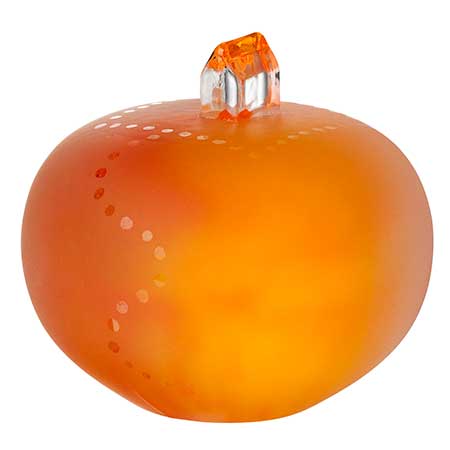
Earth (2010)
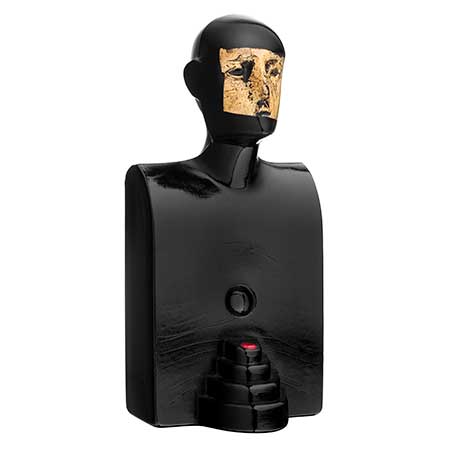
Marker (2010)
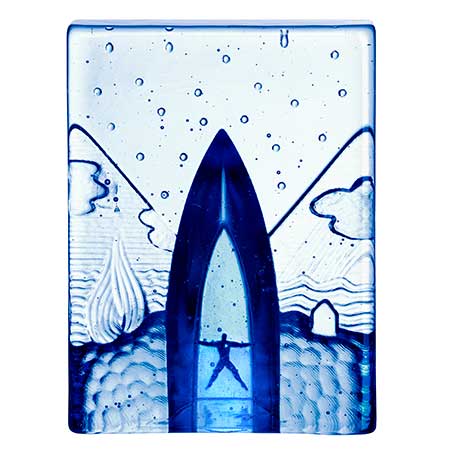
Blues (2011)
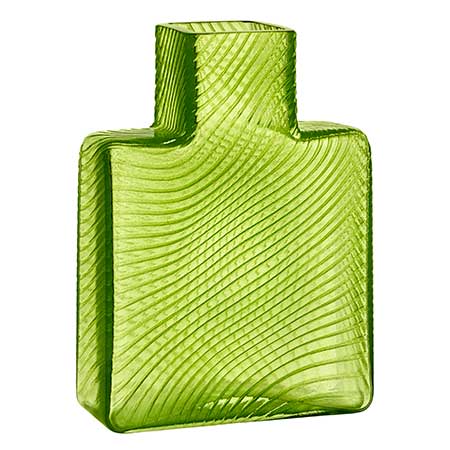
Because (2014)
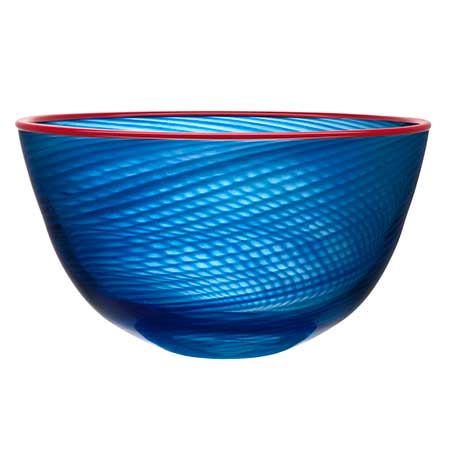
Red Rim (2015)
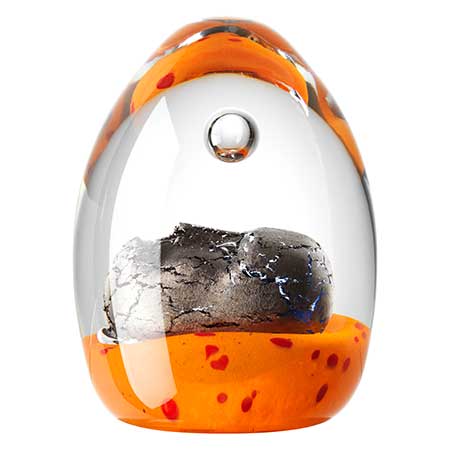
Dreamer (2018)
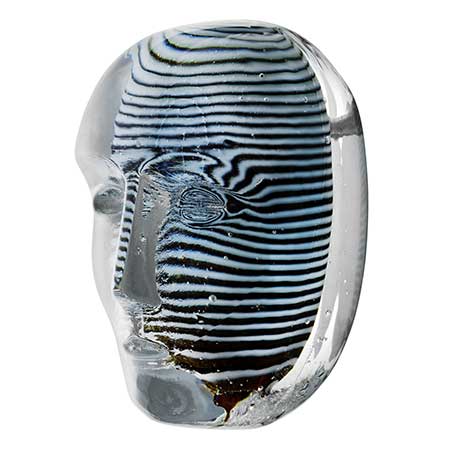
Look (2018)