

Stig Lindberg – Ceramics from Gustavsberg


![Stig Lindberg (Arena 1973) Plate with Orange/Brown Decor 20 cm [Sample Images]](https://cdn.abicart.com/shop/4412/art12/h9390/225169390-origpic-05d5e5.jpg?max-width=262&max-height=262&quality=85)
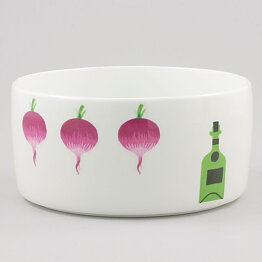
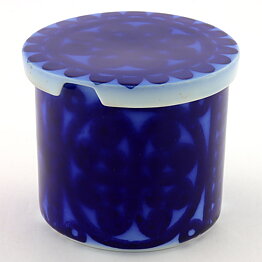
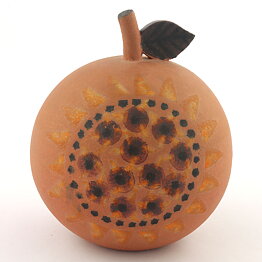
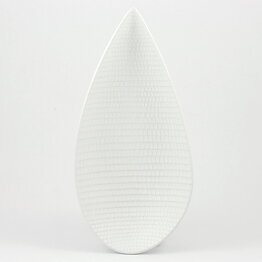

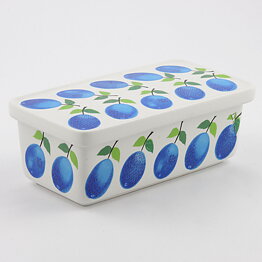
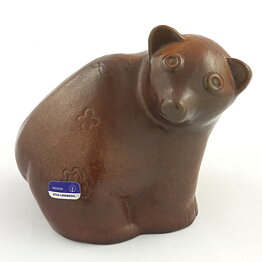
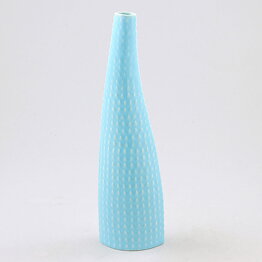
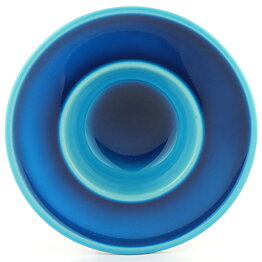
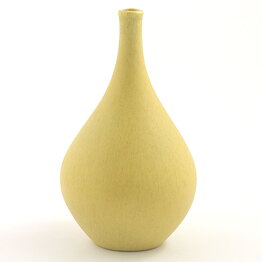
![Stig Lindberg (Coq 1966) Brown Sturdy Plate 24 cm [Sample Images]](https://cdn.abicart.com/shop/4412/art12/h0904/225080904-origpic-d5d833.jpg?max-width=262&max-height=262&quality=85)
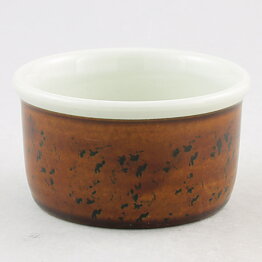
![Stig Lindberg (Blå Husar 1968) Teacup with Blue Geometric Decor 12 cm (II) [Sample Images]](https://cdn.abicart.com/shop/4412/art12/h3938/225073938-origpic-49a4cd.jpg?max-width=262&max-height=262&quality=85)
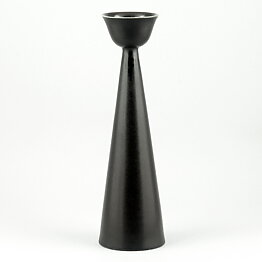
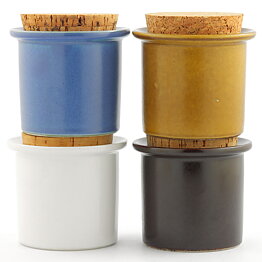
![Stig Lindberg (1960s) Dark Brown Jar with Cork Lid 8 cm [Sample Images]](https://cdn.abicart.com/shop/images/225066962-origpic-8ec381/4412/art12/h6962/IMG_7002.jpg?max-width=262&max-height=262&quality=85)

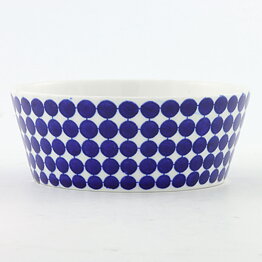
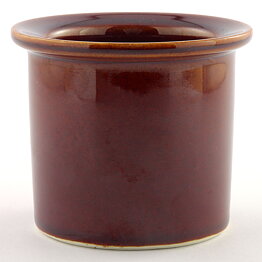
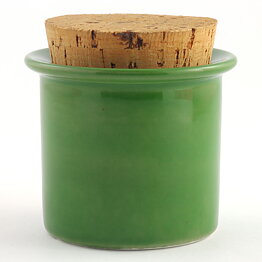
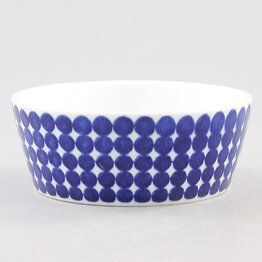
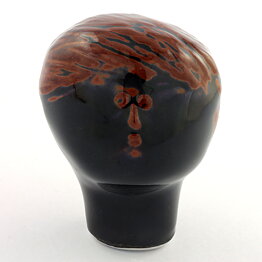
![Stig Lindberg (Spisa Ribb 1955) Coffee Cup Saucer with Brown Graphic Decor 13 cm [Sample Images] [Free Shipping]](https://cdn.abicart.com/shop/images/225048074-origpic-75203c/4412/art12/h8074/IMG_6872.jpg?max-width=262&max-height=262&quality=85)
![Stig Lindberg (Birka 1973) Rounded Coffee Cup Saucer with Linear Decor 13 cm [Sample Images] [Free Shipping]](https://cdn.abicart.com/shop/images/225048002-origpic-f72c92/4412/art12/h8002/IMG_6874.jpg?max-width=262&max-height=262&quality=85)
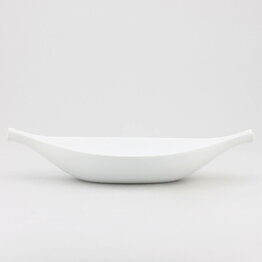
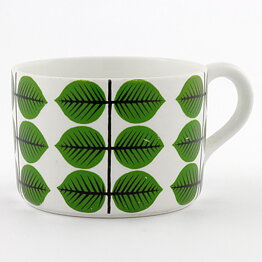
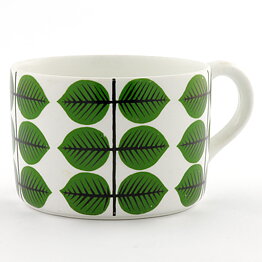
![Stig Lindberg (Dresden 1962) Coffee Cup Saucer 11 cm [Sample Images] [Free Shipping]](https://cdn.abicart.com/shop/images/225045452-origpic-9180e5/4412/art12/h5452/IMG_6831.jpg?max-width=262&max-height=262&quality=85)
Stig Lindberg – A Short Biography

From the north of Sweden to Gustavsberg


Early Gustavsberg years - from adept to artistic leader
Stig Lindberg was not the only young art student working for Gustavsberg. The artistic leader, Wilhelm Kage, had an entire group of assistants at his disposal. These aspiring young art students had tenuous employment contracts and often performed only basic duties. The role of assistant and errand boy; however, would be short-lived for Stig.

Stig quickly distinguished himself at Gustavsberg by exhibiting magnificent drawing techniques and sharing his wealth of ideas. Kåge was impressed by this young adept and opened the door to a more prominent role in the factory while offering Stig greater artistic freedom. From the beginning, Stig churned out ideas at an unprecedented rate, which would become a signature characteristic for the rest his career. The most noteworthy contributions of the 1940s were the revitalization of faience objects and the Parian series.

Together, Stig and Wilhelm Kage developed the diverse and extensive faience production in the late 1930s and early 1940s. The vases, dishes, and bowls were formed from reddish earthenware then coated with a milky-white glaze and hand painted with bold colors and elaborate decor. The floral motifs of the 1940s slowly gave way to era-typical geometrical decor in the 1950s and 1960s. The objects were often marked by the blue studio hand, the symbol of Stig Lindberg. The faience series was a huge success and is still one of the most well known symbols of Swedish mid-century design.

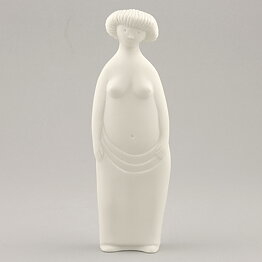
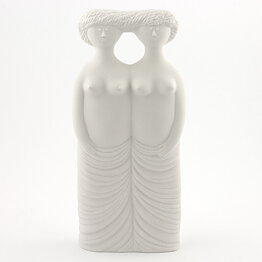
Stig crafted the groundbreaking, surrealistic Parian series in the 1940’s. The series consisted of seven sculptural objects made of Parian porcelain. The objects are generally considered as modernistic interpretations of Gustavberg’s famous 19th century Parian sculptures. The series was reintroduced in the 1960’s in a limited edition.

Wilhelm Kage was slowly relinquishing the role of artistic leader to Lindberg in the late 1940s. In 1949, the 33 year-old Stig was chosen as Kage’s successor. The unconventional choice for artistic leader was frowned upon by the traditionalists among the Gustavsberg workforce.
Rising fame
In the 1950s, Stig Lindberg built upon his notoriety to become the public face of Gustavsberg Factory. He was a one-man publicity machine, elevating the public’s interest in the often-troubled factory. Stig was a media genius. The notoriety he achieved in his time equates to that of today’s celebrity designers, bloggers, project managers, and party organizers. Stig did not make a distinction between the artistic merit of industrial design and more traditional works of art. He famously noted, "A thumbtack holds for me as much poetry as a wildflower.”

Surrealism for Kids
From the end of the 1940s to the end of the 1950s, Stig Lindberg created playfully absurd and surrealistic illustrations for Swedish children’s books. Stig’s drawings expressed a witty and cheerful attitude towards life. With his goofy looks and playful antics, the rascal Krakel Spektakel was his most well known character. Stig’s illustrated children’s books may just be a hiccup in his large catalogue of work, but what a wonderful hiccup it was!

Modern, modern, modern!
Stig Lindberg's works from the 1950s are characterized by streamlined perfection. Series such as Pungo (1953) and Reptile (1953) received a strong reception in Scandinavia. But the work that was met with the warmest reception by both design experts and the general public alike was the series Domino, unveiled at the Helsingborg Exhibition of 1955. Conical, square, cylindrical and shapes round like a ball in graphic contrasts of black and white. Wow, talk about modern!

Bersa Forever
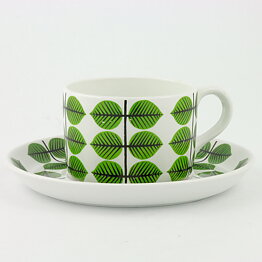
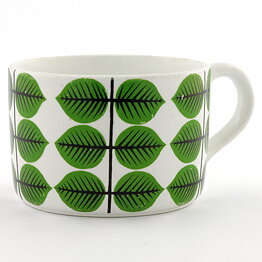
Over the years, the extremely popular Bersa tableware line has become a symbol of Swedish design, Gustavsberg Porcelain, and Stig Lindberg alike. It was launched in 1960 and was in production until 1974. The pattern was designed by Krister Karlmark, later to be a professor at the University College of Arts, Crafts, and Design, but at that time assistant to Stig Lindberg. Stig commissioned the pattern, approved it, colored it, and put it into production on his new ultra functional tableware design. One could say that Bersa was a "match made in heaven” between the flowery and the austere, between the unnecessary and the necessary, between the public and the artist.

40 years of unique artworks
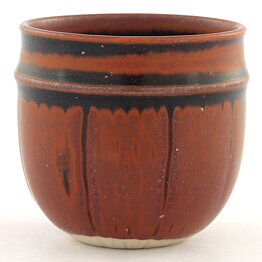
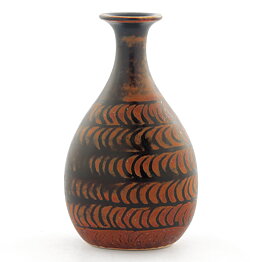
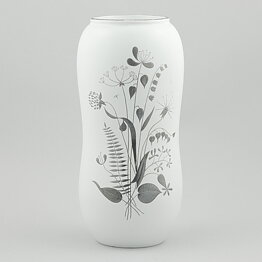
Stig Lindberg’s unique production covers more than 40 years of artistry in the Gustavsberg studio. The vases often have traditional and well-balanced form with incised marks. These marks serve to catch the running glaze, creating a satisfyingly complex surface texture. The individual sculptures are more surrealistic and whimsical in their expression. They are usually highly sought after by collectors. Stig used different year marks for his unique production.
Family life
Stig Lindberg met his future wife at a young age. ”When I saw her the first time, I was bedazzled, and rode into a birch. I have never regretted that traffic accident”, Stig said later. Gunnel was paralyzed early after suffering from polio during the childhood. They got three children together.
The last years
Stig Lindberg created several new dinnerware lines in the 1970s, but his work was not as well received as previous designs. The surreal, playful, and superbly personal nature of his design had waned. Perhaps he had lost his ability to detect and challenge contemporary dreams and desires? That is not so surprising after 40 years of almost uninterrupted work where there never seemed to be enough hours in the day. Stig's final years were marked by his absence from Gustavsberg. He worked sporadically, made a series of valued prints and launched a few ceramic series. Stig otherwise lived a quiet life in Italy, where he died at 65 years old. The flags are said to have lowered to half-mast in Gustavsberg.
An Overview of Stig Lindberg’s Artwork Series
Among Nordic pottery collectors, Stig Lindberg’s artwork series are often of great interest. But you can easily get lost among the vast number of objects from the Swedish pottery virtuoso. We therefor would like to present an overview of his artwork in serial production in 1939-1977. Our focus will be on series containing bowls, candleholders, dishes, figurines, and vases. Every series is presented with name, design year, material, and a photo of one of the objects. 
Presenta, 1940, creamware

Zoo, 1940, stoneware

Polka, 1941, creamware

Grazia, 1946, stoneware

Fajanser (Faiences), 1940s, earthenware

Alkor (Auk), 1950, stoneware

Veckla, 1950, stoneware

Vinda, 1950, stoneware

Filigran, 1951, stoneware

Pungo, 1953, stoneware

Reptil (Reptile), 1953, stoneware

Domino, 1954, stoneware

Endiv (Endive), 1956, stoneware

Vitrin, 1956, stoneware

Karneval (Carnival), 1957, earthenware

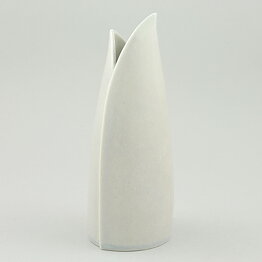
Azur, 1958, stoneware

Springare (Courser), 1958, stoneware

Julius, 1959, creamware

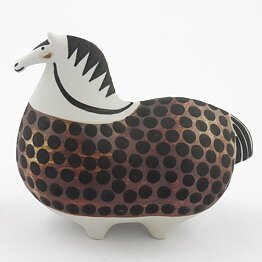
Hästar (Horses), 1950s, stoneware

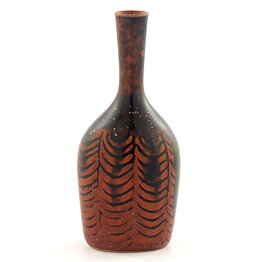
Fjäll (Scales), 1960, stoneware

Skottar (Scottish Terriers), 1961, stoneware

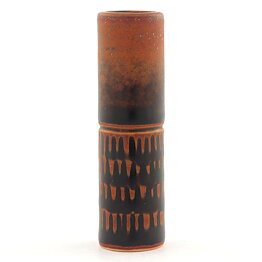
Ting (Objects), 1969, stoneware

Fåglar, 1960s, stoneware

Lazur, 1970, stoneware

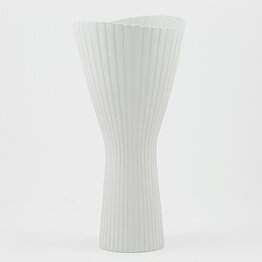
Figurin (Figurine), 1977, parian

Combin, 1970s, stoneware
Video
Stig Lindberg presents pitcher and thermos
This video shows Stig Lindberg emphasizes that objects should be both functional and beautiful.
Stig Lindberg as a mentor
This video shows Stig Lindberg mentoring at the Gustavsberg factory.
Stig Lindberg crafting a vase
This video shows Stig Lindberg decorating an unique vase.
Stig Lindberg crafting a cast
This video shows Stig Lindberg crafting a pottery mold for a mask wall plaque.
Stig Lindberg presenting Terma
This video shows Stig Lindberg presenting the functional aspect of the Terma kitchenware series.
Stig Lindberg and the Luma TV
This video shows Stig Lindberg presenting his versatile Luma TV from 1963.
Stig Lindberg and Wilhelm Kage at Gustavsberg
This video shows Stig Lindberg and Wilhelm Kage decorating faience artworks. Probably early 1940s.