
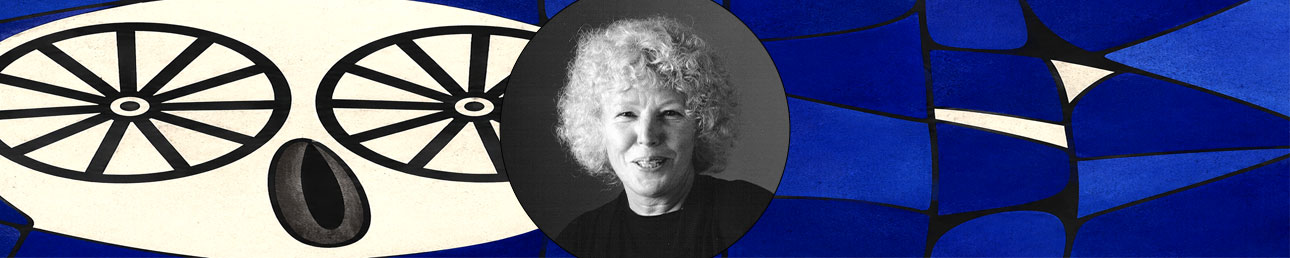
Inger Persson – Ceramics from Rörstrand











.jpg?max-width=262&max-height=262&quality=85)





Inger Persson – A Short Biography
The early years

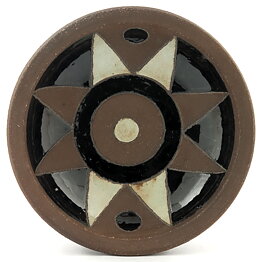
Left image, wall plaque from the 1960s. Right image, Stig L and students inspecting a teapot.
Inger’s education was concluded with a graduation exhibition. The managing director of Rorstrand Ceramic Factory was impressed by Ingerʼs work. She was offered a temporary position, but would end up staying for many years.

Left image, Inger adorning a dish in the 1960s. Right image, Pro Arte vase from 1994.
Arrival at Rorstrand
Inger Persson was only 22 when she started working at Rorstrand in 1959. This was the company’s golden age, and its porcelain products were extremely successful abroad. A team of recognized artists was already in place, including Carl-Harry Stalhane, Marianne Westman, and Hertha Bengtsson. “I remember how impressed I was by their fantastic creations. I particularly liked what Marianne Westman made,” recalls Inger.

Prominent Rorstand artists in the 1950s. Top row left to right: Sylvia Leuchovius, Carl-Harry Stalhane, Birger Kaipiainen, and Hertha Bengtson. Seated, Marianne Westman.
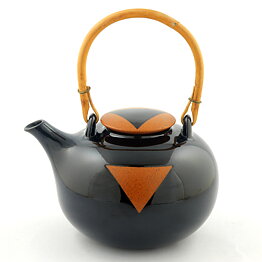
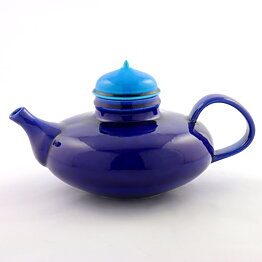
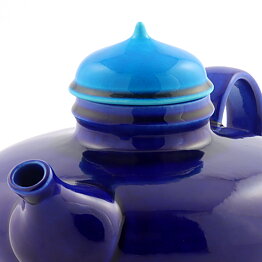
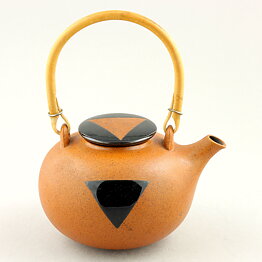
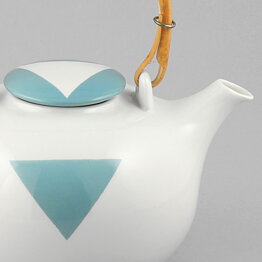
Inger took her first holiday to France on a grant, studying ceramic manufacture at the Chateau de Ratilly. She would later return to France as a pottery teacher, and it was there that she crafted the teapot that would become the forerunner to the iconic “Pop” teapot.

Left image, bright yellow Pop teapot. Right image, Inger presenting Pop teapots in various glazes.
Multifaceted design
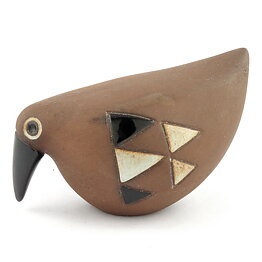
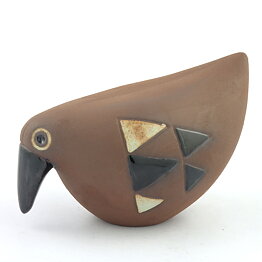
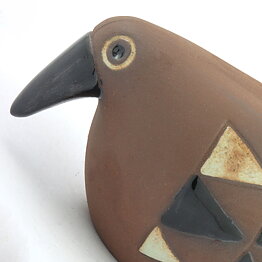
At Rorstrand, Inger designed everything from tableware series to animal sculptures. Notable pieces included the miniature owl sculptures with typical 1960s expression and turquoise detail. “It was amazing to put my ideas into practice alongside my skillful colleagues. I thoroughly enjoyed myself there,” Inger recalls.

Left image, stoneware owls with attentive expression from the 1960s. Right image, Inger in the 1980s.
Unique production
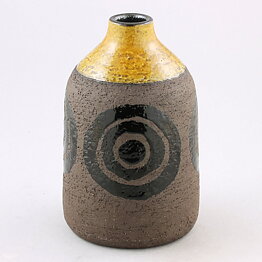
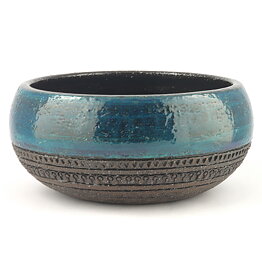
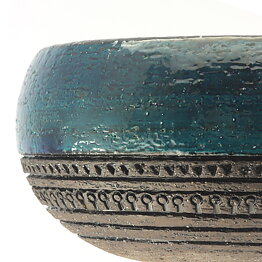
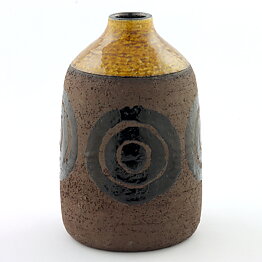
Inger Persson was a skilled thrower and an accomplished painter. Her talent is evident in the strong personal expression of her unique pieces. Among the original items are gorgeous thickly-glazed dishes and rustic, spherical sculptures.

Left image, Inger in the 1990s. Right image, unique stoneware sculpture from the 1960s.
Freelance years
In 1970, Inger Persson and other designers were let go from Rorstrand. Inger stayed nearby, continuing to work in her own studio. She took on additional work as a teacher at a nearby art school. Additionally, she accepted freelance assignments, including a project for the ceramic industry in Denmark.

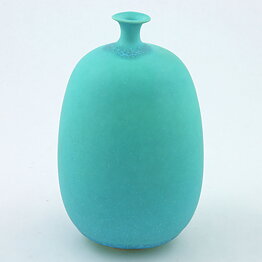
Asymmetric balloon vases in bold colors from the 1980s.
Back to Rorstrand
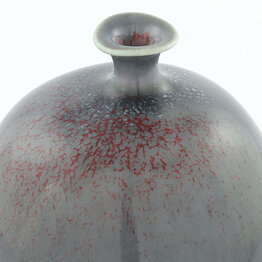
Inger Persson returned to Rörstrand in 1981, staying on until 1996. She continued her work with lively, youthful expression. Among the most well-known series from this period were the "balloon vases.” These slightly asymmetric vases, with matte glazes in bold colors, are highly sought after by art collectors today. At the end of the 1990s, Inger was forced to stop working due to ill-health.