
Swedish Glass
Glass is well represented in the illustrious Swedish design of the 20th and 21st century. Over the years, artists like Simon Gate, Gerda Strömberg, and Bertil Vallien have presented numerous classics in this field of design. Which Swedish glass design is your favorite?

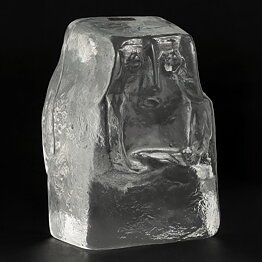
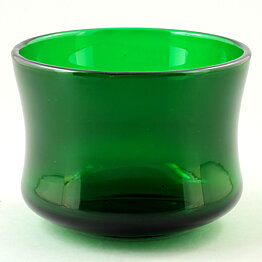
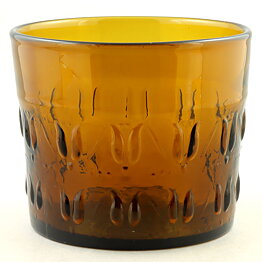

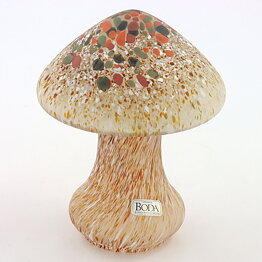
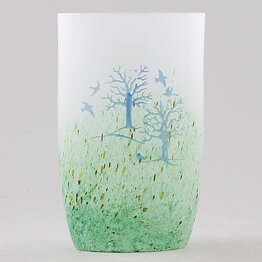
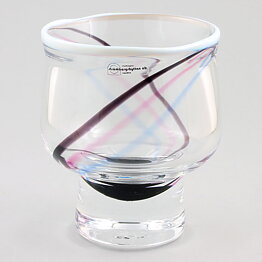
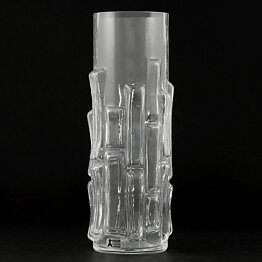
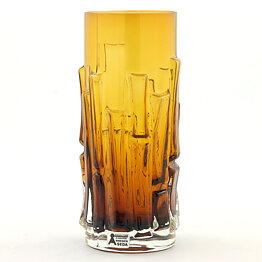


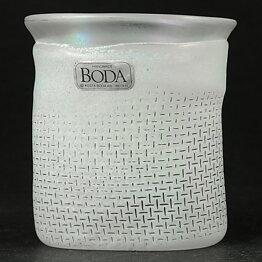
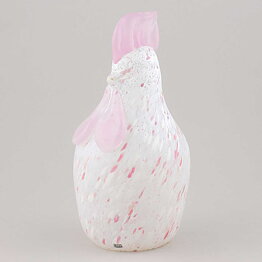
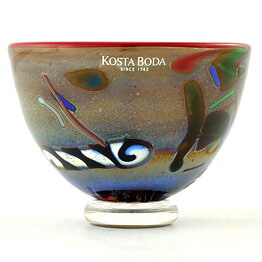
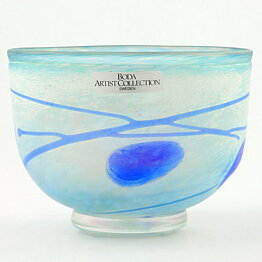
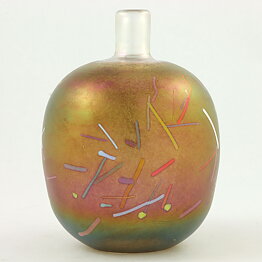
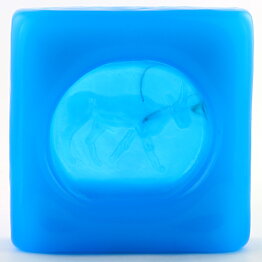
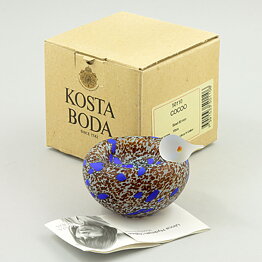
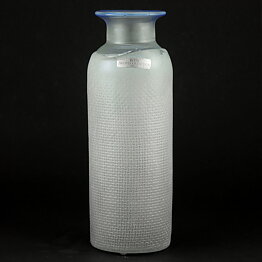
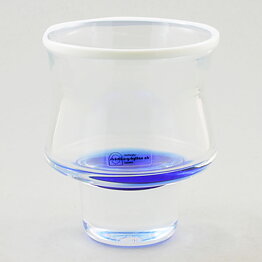
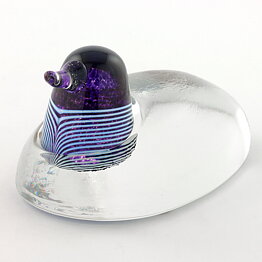

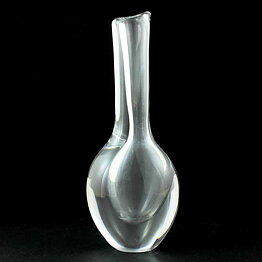
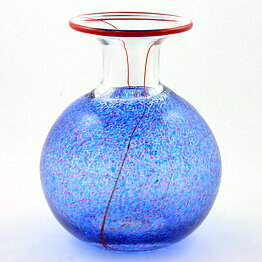
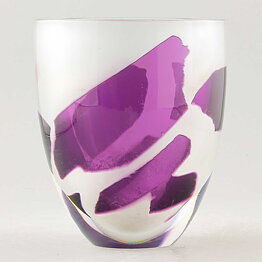
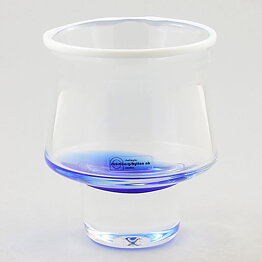
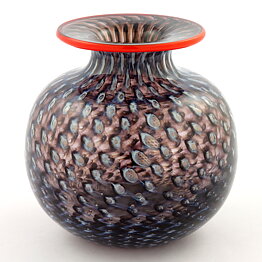
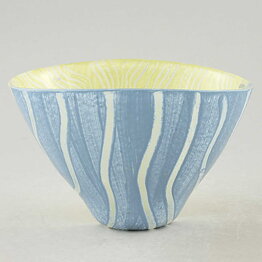
Swedish Glass - A Short Story
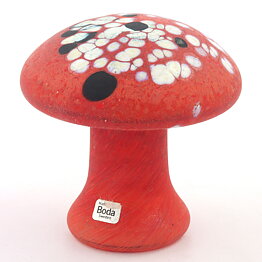
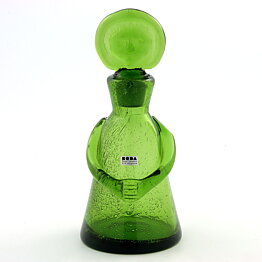
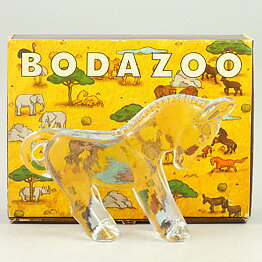
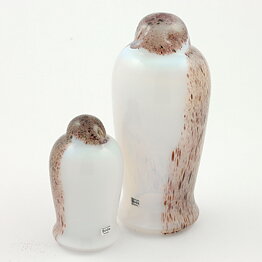
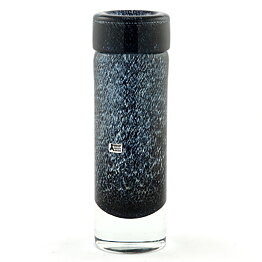
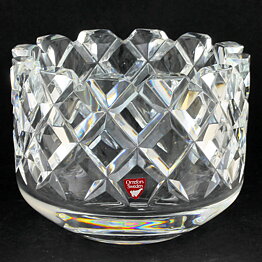
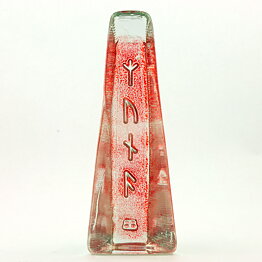
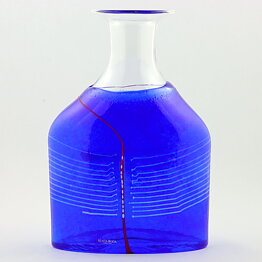
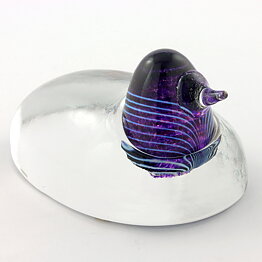
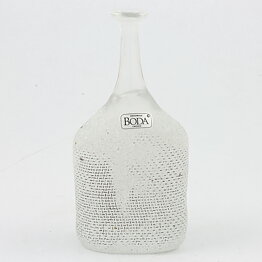
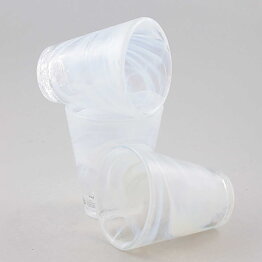
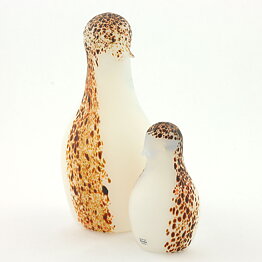
The story about Swedish glass is above all a story about the glassworks in the province of Småland, which forms part of the richly forested uplands of southern Sweden. This region is the home of a long tradition of glassmaking and is where the most notable glassworks in the 20th and 21st century are found, namely Kosta, Åfors, Boda, Orrefors, Målerås and Johansfors.

.jpg)
The Realm of Glass
In the heydays of the mid-century, hundreds of glassworks and glass houses were concentrated in the southeastern part of Småland called “The Realm of Glass.” For more than 250 years, the proud art of glass-making has been passed down from one generation of skilled craftsmen to the next.
Driving through the landscape, one encounters mile upon mile of forestland, interspersed with small communities that have grown up around a timber- or a mechanical industry or a glassworks. Outward proof, one might say, of the industriousness and of the inventiveness for which the inhabitants of Småland are famed.
Natural Resources and Glass-blowing Skills
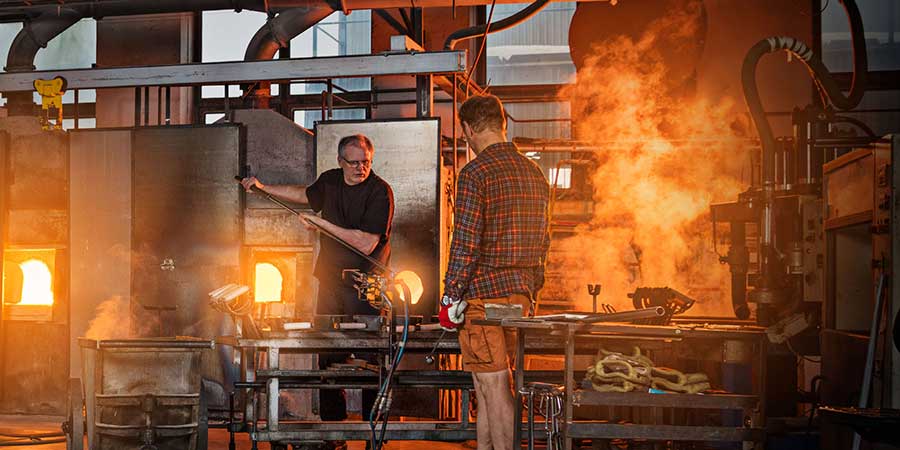
Forest and water were the two natural resources which made possible the establishment of a glass industry in the region. Historically, the glassworks evolved (during the 17th and 18th centuries) from a few small iron foundries, to which a glass house was later added. The oldest establishment is Kosta (1742), which still produces local art glass.
In this region where glass-making has flourished for so long, the ancient skill of glass-blowing has remained within families active at the various glassworks. But there were some who chose to leave the "motherworks" and to set up on their own; such were the four glassblowers from Kosta who combined in 1876 to form a small glass house at Åfors.
.jpg)
.jpg)
Team Work in the Glassworks
The Swedish glass industry has often faced difficulties. However, it has overcome those difficulties over the years through new methods and technology and the powerful contributions of skilled artist-designers. The industry has always found new ways of maintaining high-quality standards. In collaboration with the glassblowers and other glassworkers, Swedish factories invented new techniques or refined conventional methods artistically.

Edward Hald
.jpg)
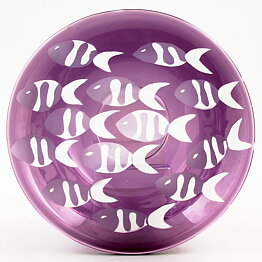
Edward Hald fish graal vase from the 1940s
The Early Stars of Swedish Glass
In the 1910s, artists such as Simon Gate (1883-1945), Edward Hald (1883-1980) and Edvin Ollers (1888-1959) were brought in and their successes paved the way for other designers at the glassworks. It became a normal procedure for the production work, within the ancient order of organization, to be led by the designers.
.jpg)
Monica Bratt red apple jar from the 1950s

Monica Bratt
The Masters of Swedish Design
Among those active before the Second World War were Evald Dahlskog (1894-1950), Gerda Strömberg (1879-1960), Vicke Lindstrand (1904-1983), Edvin Öhrström (1906-1994), Elis Bergh (1881-1954) and Monica Bratt (1913-1961). It was their work which gave rise to the concept of Swedish Design - pure, elegant services, engraved glass with classic motifs and new techniques such as "graal", or Grail glass.

Vicke Lindstrand
.jpg)
Vicke Lindstrand Zebra vase from the 1950s
The Work in the Glass House
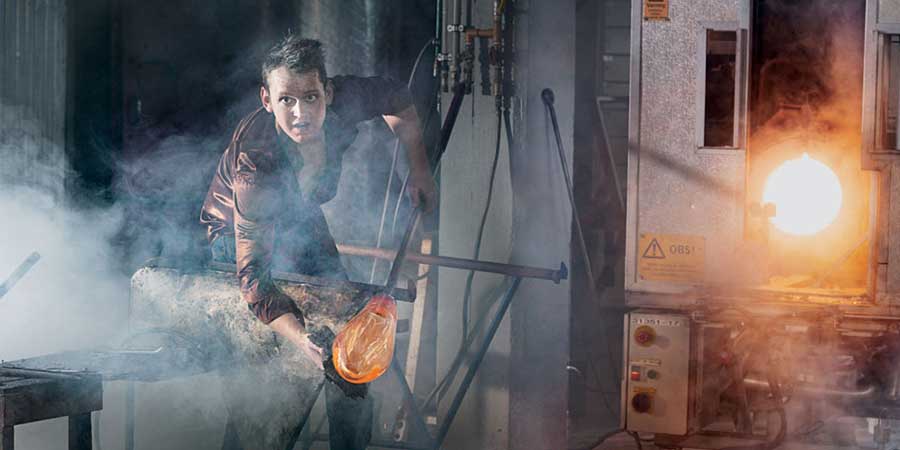
Touring the interior of a glass house today provides a unique experience. The roaring furnaces, once fueled with wood from the Småland forests, are now energized with calor gas or oil. Undeniably, the melting process of the raw materials - sand, potash (potassium carbonate), soda and red lead oxide - is hot work indeed. The molten mass will then, throughout the day, be handled and shaped into art-glass. Work in the 'hotshop' is shared by teams of 4-8 people with specialist skills, all of whom take their lead from the "gaffer" (head glass blower).
The Art of Perfection
Throughout the centuries, the aim of the artisan has been to attain technical perfection. But with the old types of glass, it was difficult to achieve perfect clarity because of iron impurities in the sand. It was also important to eliminate bubbles from the viscous mass, caused by gas formation during the melting process. The sign of virtuosity in a master blower lay in his ability to blow large forms and to fashion a completely symmetrical vessel. These were the cardinal virtues upheld by the Swedish glass houses. They were also the guiding principles for all the artists who were recruited to the various works, during the first half of the 20th century.
Beauty in Utility
After the influential Stockholm Homes Exhibition in 1917, the phrase "Beauty in Utility" became the hallmark of Swedish design for decades. Achieving great design required recruiting more artists into the industry. Now the glassworks acquired a whole generation of artists, most of whom were painters with no experience in the methods of industrial production. To these ranks of bold designers belongs Erik Höglund (1932-1998) and Bertil Vallien (1938-).
.jpg)
Erik Höglund bull sculpture from 1992

Erik Höglund
Glass Art Opportunities
To the designers beginning at the glass factories, the work was new and untried. But there were all the fascinating technical possibilities of the glass itself. Glass that could be free - or mould-blown, press-moulded, engraved, blasted, acid-etched or painted - clear or tinted glass, inlaid or overlaid. But not every factory had the resources for all these techniques. From the outset each designer was obliged to work within the limits imposed by his/her glass house.
.jpg)
.jpg)
Still Crafted by Hand
In the late 20th century, the mechanization of glassmaking was continually under discussion. But in the end, the Swedish glass works never invested in the automatic machinery now to be found in all the largest glass-factories - machines that churn out glass articles by the millions. And in this day and age, the finest art glass is still crafted by hand in the Swedish glassworks.
In Bertil Vallien’s own words: “I am reactionary enough to believe in handicraft. The hand can never be replaced by a centrifuge or a pressing machine. Handicraft is glass-blowing, grinding and well-tried knowledge; it is experience and a feeling for form; it is the enhancement of production by the contribution of hand and senses.”
-- -- -- --
Source: "Vallien" by Gunnar Lindqvist (2006)