

Josef Ekberg – Ceramics from Gustavsberg
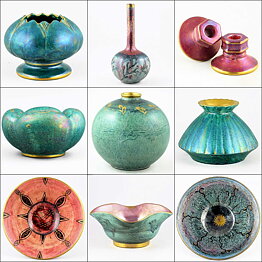
Josef Ekberg (1877-1945) is one of the well-known representatives of the illustrious Swedish ceramic design of the 20th century. He was the artistic leader for the Gustavsberg factory in 1908-1917 and the developer of the sgrafitto and luster glazes. Ekberg is represented at the Swedish National Museum of Art and Design. Find your favorite among Josef’s design or learn more about him by reading his biography.


Josef Ekberg – A Short Biography
The early years
Josef Ekberg (1877-1945) was born in Varmdo, just east of Stockholm in the archipelago. At just twelve years of age, he started his career at the nearby Gustavsberg Porcelain Factory. Josef was first hired as an assistant, but over time he started painting on his own. Initially, he was tasked with painting simple pieces with landscape motifs.

Left image, Josef at the drawing board. Right image, Grand Sgrafitto vase with floral motif.
The Sgrafitto technique
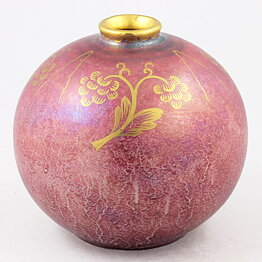
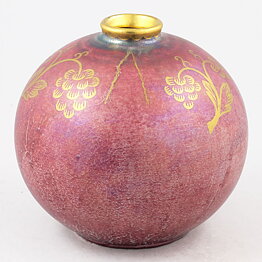
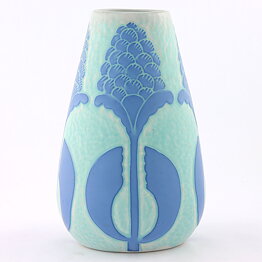
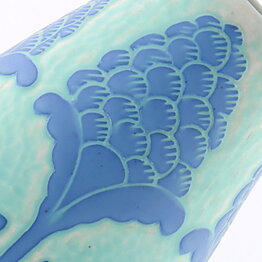
At Gustavberg, Josef Ekberg quickly built a friendship with the notable artist Gunnar Wennerberg. Together, they developed the Sgrafitto technique, where a sharp object is used to carve a pattern on a glazed surface. The pieces were often finished with a powderblue sponge glaze and carved floral motifs. In 1900, Ekberg had the honor of presenting the newly perfected Sgrafitto technique at the World Exhibition in Paris. The pieces Josef presented all received a warm welcome.

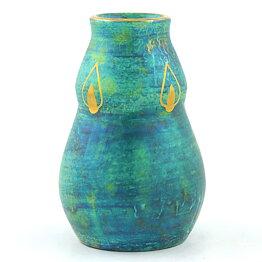
Left image, vase with luster glaze and gold decor. Right image, Josef inspecting a vase.
Master of Swedish Grace
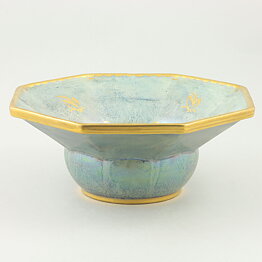
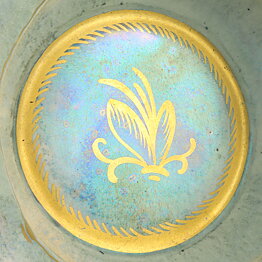
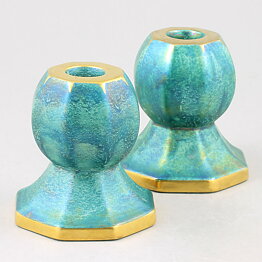
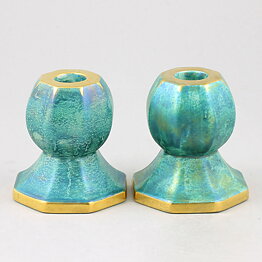
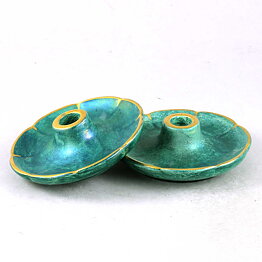
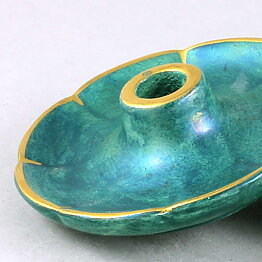
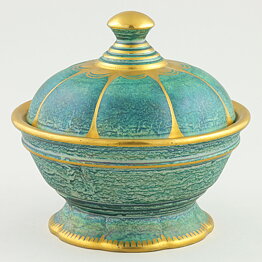
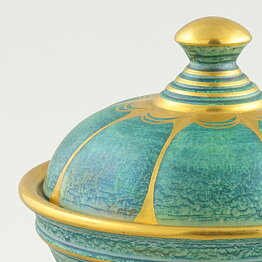
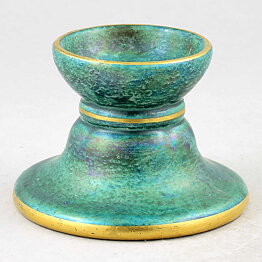
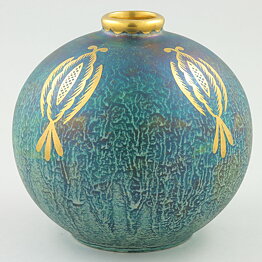
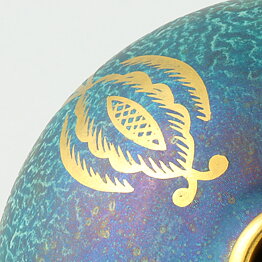
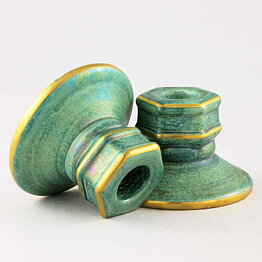
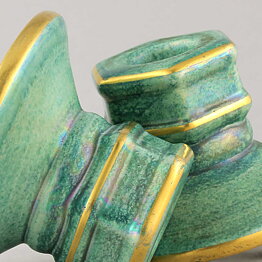
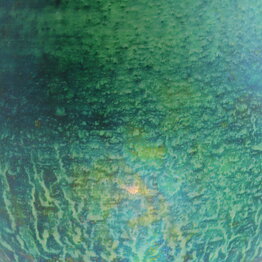
Josef Ekberg was part of the "Swedish Grace" era, the Swedish take on Art Deco. The era was characterized by unadorned design with bold colors and strong contrast. Josef's luster glaze pieces are fine examples of the era, with their geometric shapes, matte blue-green glaze and gold detail.

Left image, Josef in the Gustavberg studio. Right image, distinctive plate with reddish-brown glaze and gold border.
Artistic leader and legacy
From 1908-17, Josef Ekberg retained the role of Artistic Director at Gustavberg. He then relinquished the position to the legendary Wilhelm Kage. Josef remained at Gustavsberg until his death in 1945. His pioneering glazes earned him a place in Nordic art history.