
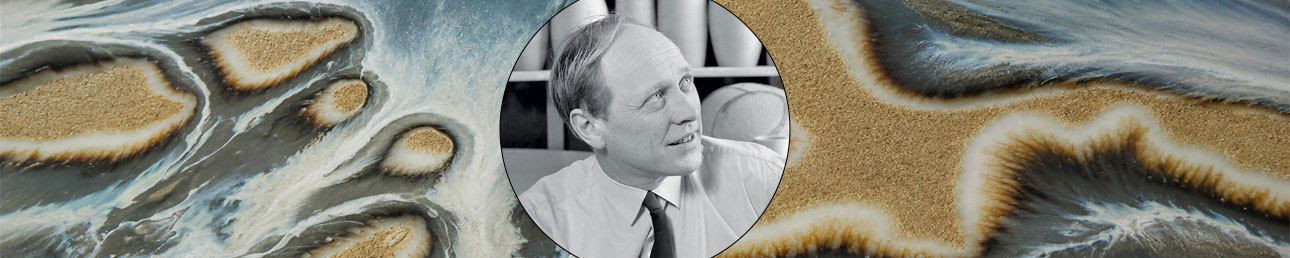
Carl-Harry Stålhane – Ceramics from Rörstrand
Carl-Harry Stålhane (1920-1990) is one of the most renowned representatives of the illustrious Swedish ceramic design of the 20th century. He is well-known as the artistic leader for Rörstrand in the 1960s. His name is synonymous with high ceramic quality, magnificent creative design and brilliant craftsmanship. Stålhane is represented at the Swedish National Museum of Art and Design. Find your favorite among Carl-Harry’s design or learn more about him by reading his biography.


![Carl-Harry Stålhane (Viking 1968) Coffee Cup with Tenmoku Glaze 10 cm [Sample Images]](https://cdn.abicart.com/shop/images/225304570-origpic-b9830c/4412/art12/h4570/IMG_8567.jpg?max-width=262&max-height=262&quality=85)
![Carl-Harry Stålhane (Viking 1968) Plate with Tenmoku Glaze 16 cm [Sample Images]](https://cdn.abicart.com/shop/images/225303396-origpic-35cb6b/4412/art12/h3396/IMG_8561.jpg?max-width=262&max-height=262&quality=85)
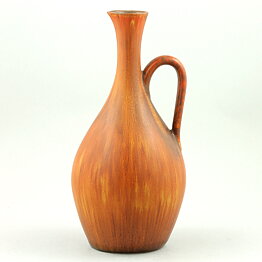
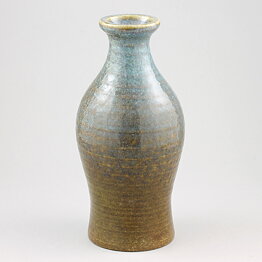
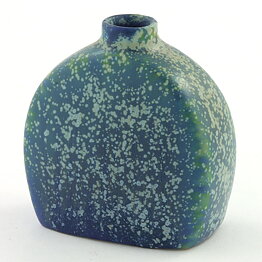
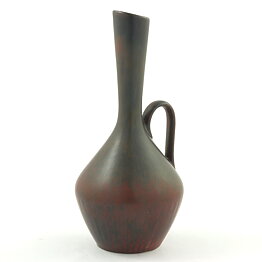
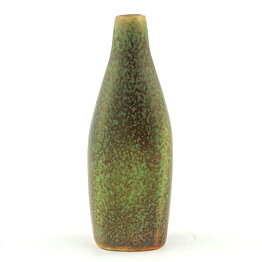
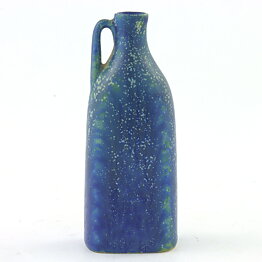
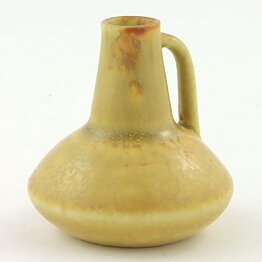
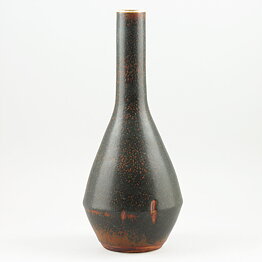
![Carl-Harry Stålhane (Gröna Anna 1966) Plate with Green Flower Decor 18 cm [Sample Images]](https://cdn.abicart.com/shop/4412/art12/h7554/225117554-origpic-c90178.jpg?max-width=262&max-height=262&quality=85)
![Carl-Harry Stålhane (VB 1957) Teacup with Red Decor 11,5 cm [Sample Images]](https://cdn.abicart.com/shop/images/215040287-origpic-b376da/4412/art12/h0287/IMG_8072.jpg?max-width=262&max-height=262&quality=85)

![Carl-Harry Stålhane (Gröna Anna 1966) Teacup with Green Flower Decor 12 cm [Sample Images]](https://cdn.abicart.com/shop/4412/art12/h4804/225104804-origpic-c23757.jpg?max-width=262&max-height=262&quality=85)
![Carl-Harry Stålhane (VB 1957) Teacup with Blue Decor 11,5 [Sample Images]](https://cdn.abicart.com/shop/4412/art12/h3590/225093590-origpic-750593.jpg?max-width=262&max-height=262&quality=85)
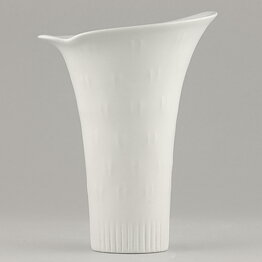
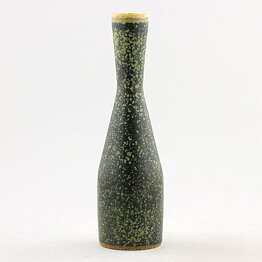
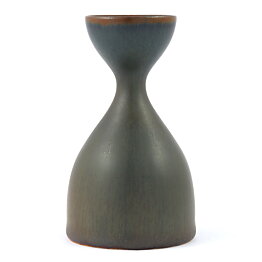
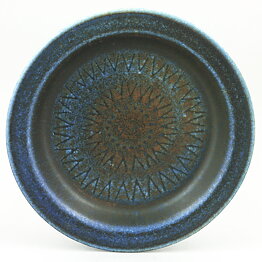

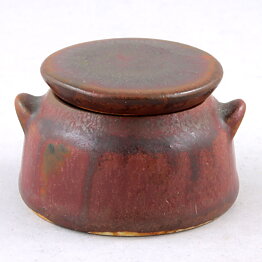
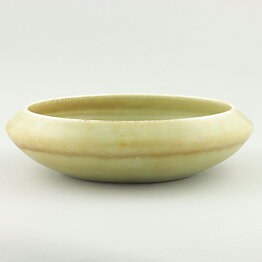
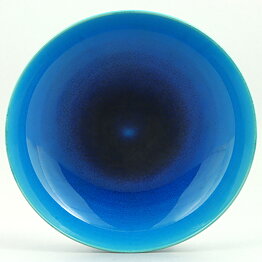
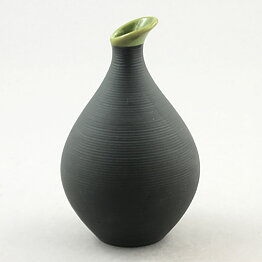
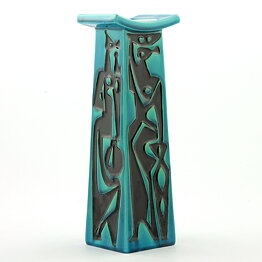
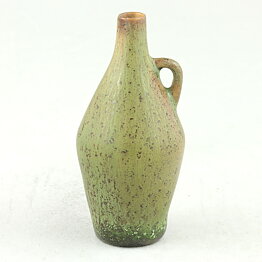
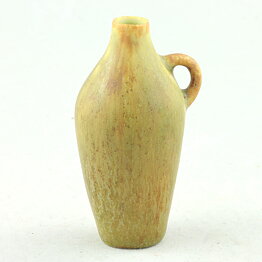
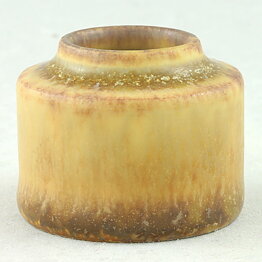
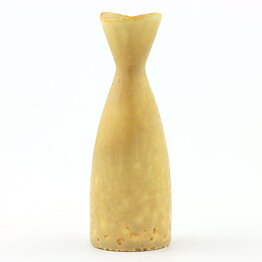
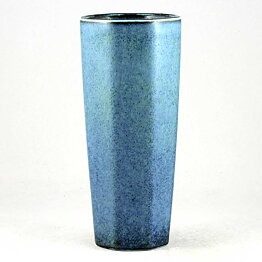


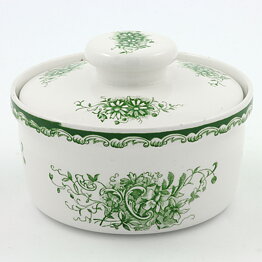

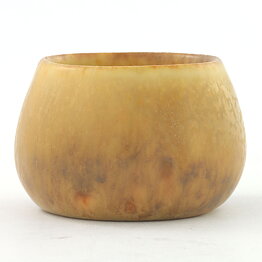
Carl-Harry Stålhane – A Short Biography
The early years
Carl-Harry Stålhane (1920-1990) was born in the town of Mariestad, in the west of Sweden. As a child, he dreamed of being a successful painter. He started working for Rorstrand in neighboring Lidkoping at the age of 18. Initially, he decorated ceramic wares as assistant for the leading artist Gunnar Nylund. Carl-Harry decorated Rorstrand’s exclusive Flambé range as well as producing idyllic floral designs.

Left Image, Carl-Harry playing the guitar in 1945. Right image, Gunnar Nylund's Flambé vase, decorated by Carl-Harry in the early 1940s.
Work for Grünewald
The managing director of Rorstrand soon became aware of the abilities of his young decorator. When the prominent Swedish artist Isaac Grünewald came to Rorstrand to prepare some work for an exhibition in 1943, Carl-Harry was made Grünewald's assistant. Grünewald's art and his strong personality were to act as a source of inspiration for the rest of Carl-Harry's life.

Left image, Carl-Harry painting with cubistic expression from the 1950s. Right image, Carl-Harry and famous painter Isaac Grünewld in 1943.
Exquisite stoneware vases
In the mid 1940s, Carl-Harry Stålhane began to develop his own stoneware. He had his first solo exhibition in 1948, impressing the public with an ability to work in most contemporary styles of stoneware. But after studying in Paris in the late 1940s, Carl-Harry found a style that was truly his own. Inspired by the hunger for new products to meet the post-war economic boom, he developed from being a gifted decorator to a first-rate ceramic artist. He was praised for his "column-like, slender-necked stoneware vases with their peach surfaces", as one magazine put it. Spurred on by a deep love of the ceramic wares of the Far East, Carl-Harry liberated himself from the European tradition of ceramics, finding inspiration in foreign cultures, in Picasso and in constructivist art.

Left image, Carl-Harry at the canvas. Right image, exquisite raindrop vase with glossy turquoise glaze from the 1950s.
International success and industrial design
The 1950s brought major successes: a diploma and a gold medal at Milan Triennials as well as solo exhibitions in Sweden, the UK and the USA. Carl-Harry commenced his career as an industrial designer in 1954. His Blanca tableware — in elegant white porcelain — was much in demand and gained him international prizes. He designed almost everything from numerous table sets decorations to rustic ashtrays

Left image, tableware series Blanca from 1955. Right image, Carl-Harry inspecting a teapot in 1965.
New ceramics of the 1960s
Carl-Harry Stålhane’s production of unique ceramic works of art increased notably in the late 1950s. In 1960 he reached something of a peak with an exhibition at Galerie Blanche in Stockholm. The exhibition showed robustly dark wares that were hailed as the new ceramics of the sixties, a "rebellion against perfectionism". These massive stoneware pieces, using local clays, were to characterize Carl-Harry’s work in the sixties.

Left image, Carl-Harry with bowtie, white coat and passionate expression. Right image, unique rough vase from the 1960s.
Public works of art
The 1960s also brought commissions for public works of art. He found ways of expressing his art on walls and in space with a magnificent hybrid of stoneware and architecture. Carl-Harry and his assistants produced major commissions for companies ranging from automobile manufacturers to sports arenas. His largest wall decoration, covering some 54m2, portrays a rocky landscape. It was created for the Commerce Tower in Kansas City in 1964.

Left image, public works of art (Chapel of Hope in Lidkoping in 1975). Right image, Carl-Harry working with "Growing Society" in 1968.
Starting up Designhuset
Carl-Harry Stålhane left Rorstrand in 1973 since he felt that the company no longer valued the artists. With a couple of colleagues he started Designhuset which was a ceramics studio sited in a former waterworks outside Lidkoping. The new company rapidly produced a series of unique art ceramics as well as simpler wares for the home. Carl-Harry reached new heights as a ceramic artist with his spontaneous, calligraphic decor on porcelain and stoneware. During the early Designhuset years, Carl-Harry was still as vigorously professional as he had been at his debut almost forty years earlier: »It is essential to be curious and adventurous in ones work«.

Left image, Carl-Harry with co-worker at Designhuset in 1974. Right image, rough abstract vase from the 1970s.
The last years
The last years of Carl-Harry's life was marked by ill health and his youthful enthusiasm was less in evidence. He died in 1990 during his lunch break on a normal working day. Designhuset still lives on as a school where ceramists and model-makers are trained. Carl-Harry left a legend of high ceramic quality, magnificent creative design and brilliant craftsmanship.

Left image, unique vase from the 1960s. Right image, Carl-Harry wtih student, later fellow ceramist, Timo Sarvimäki in 1972.
Overview of Carl-Harry Stålhane’s Series
This overview encompasses the majority of Carl-Harry Stålhane’s named artwork series at the Rörstrand company in the 1940s–1070s. Every series is presented with name and a photo of one of the objects. Let’s get going!
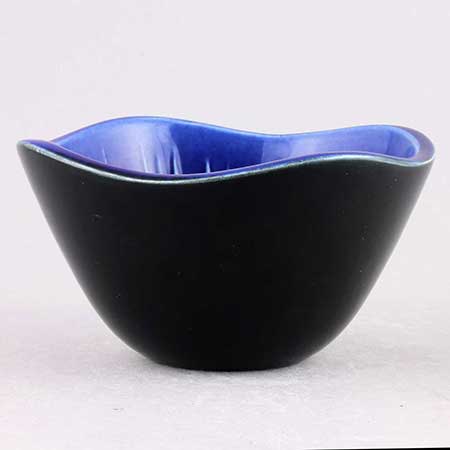
Anemone
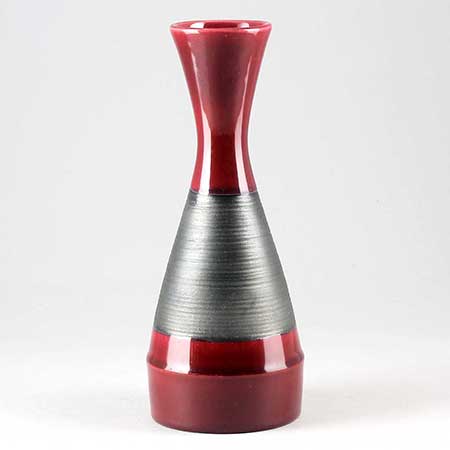
Bahia
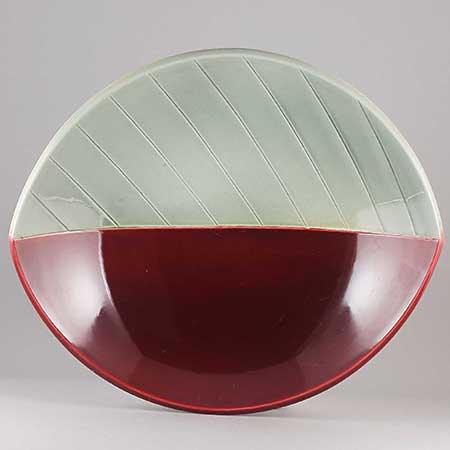
California
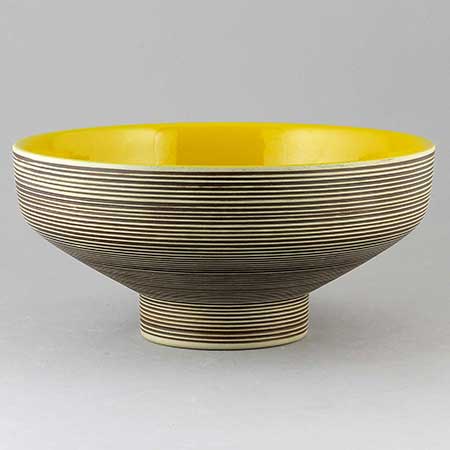
Entré
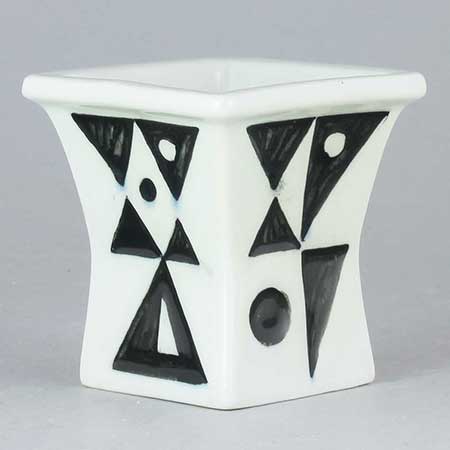
Havanna
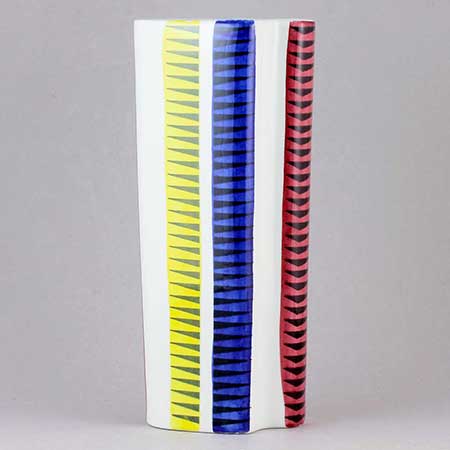
Kaskad
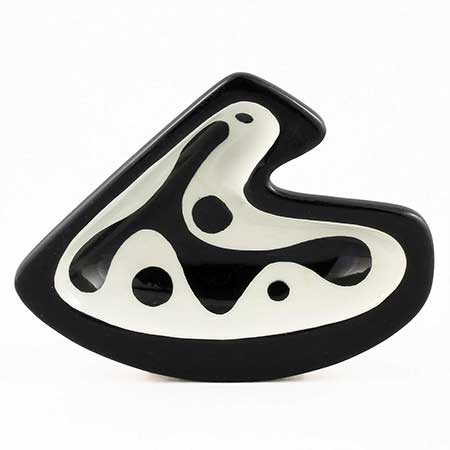
Konstrakta
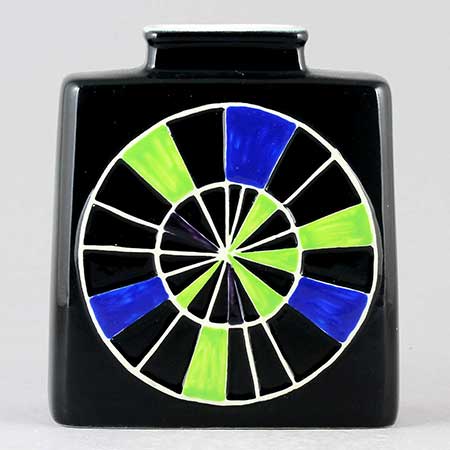
Rapsodi
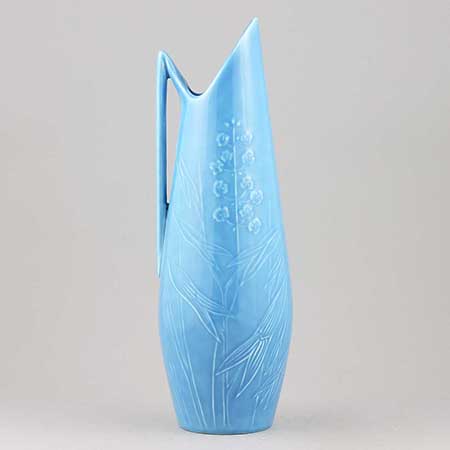
Sagittaria
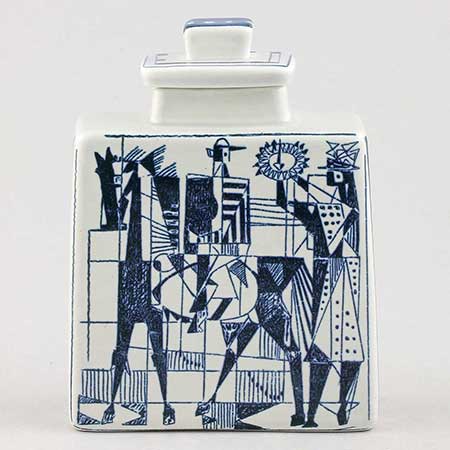
Sevilla
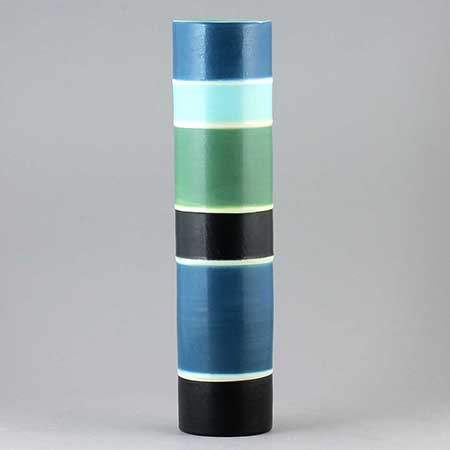
Tema