
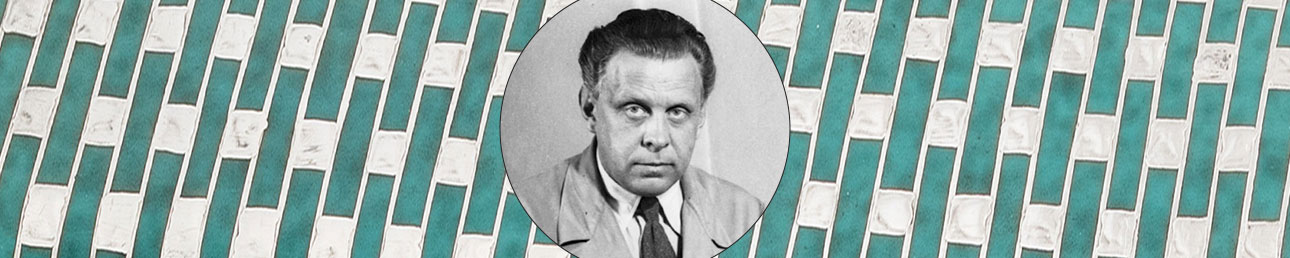
Wilhelm Kåge (1930) Argenta from Gustavsberg
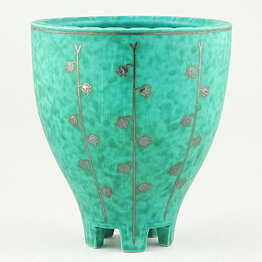

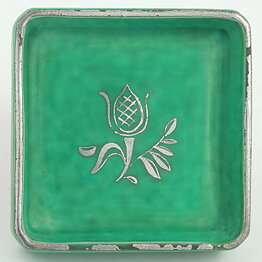
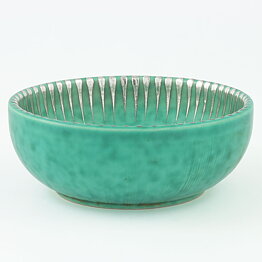
An Overview of Wilhelm Kåge’s Argenta Series
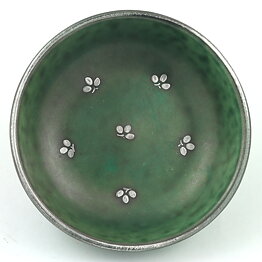
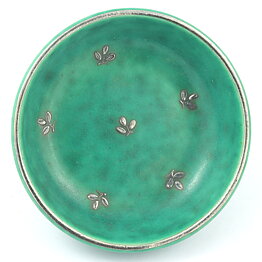
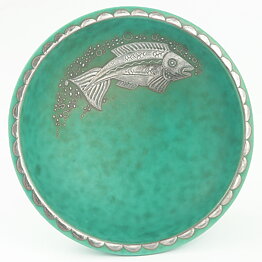
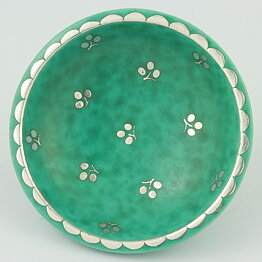
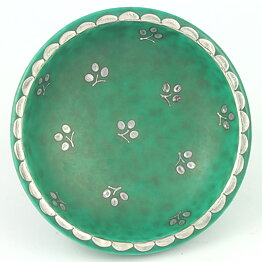
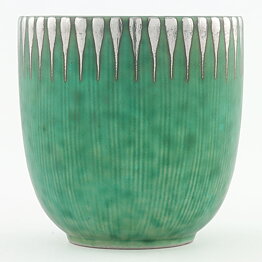
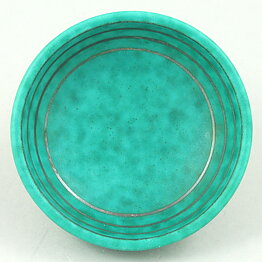
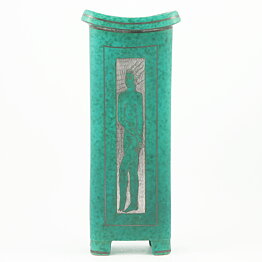
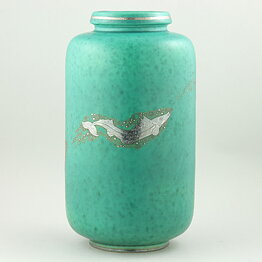
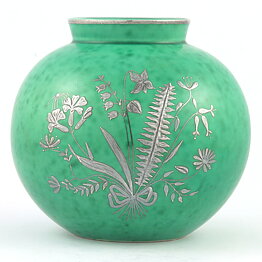
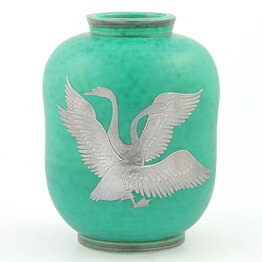
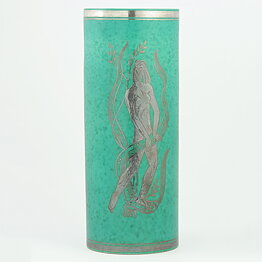
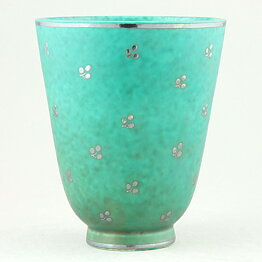
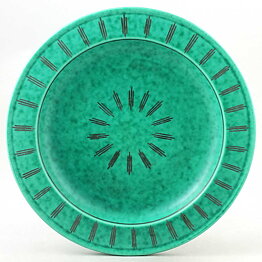
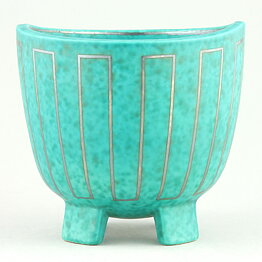
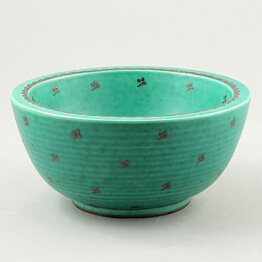
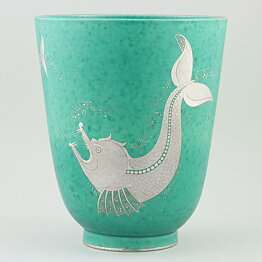
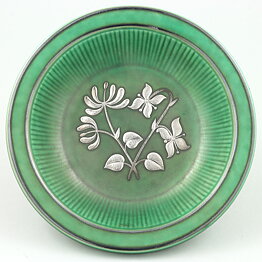
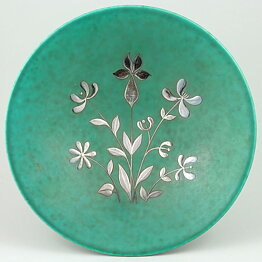
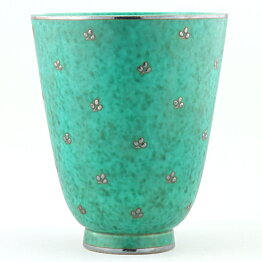
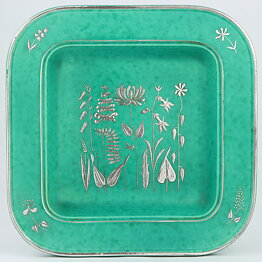
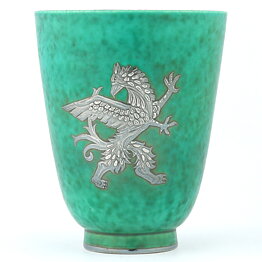
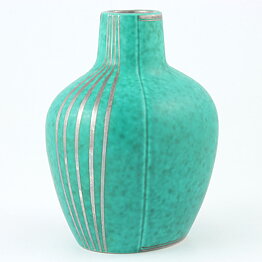
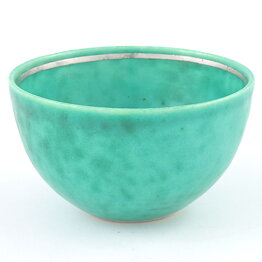
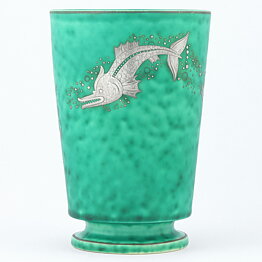
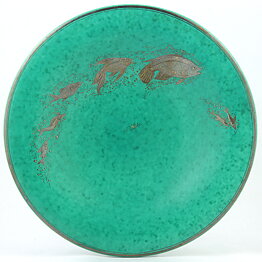
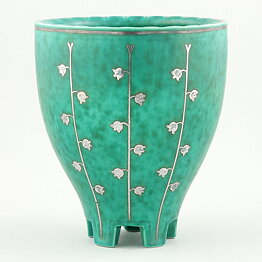
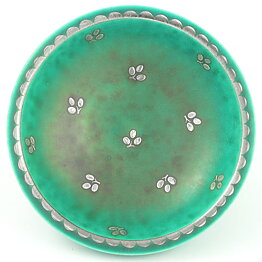
Wilhelm Kåge (1889–1960) designed many classics for the Gustavsberg company. One of the most well-known series is Argenta from 1930. It was first presented at the Stockholm Exhibition of this year, where Swedish artists, craftsmen and companies showed their latest achievements.
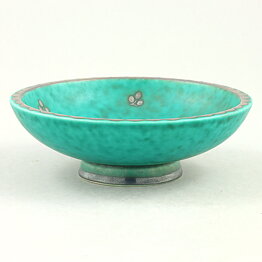
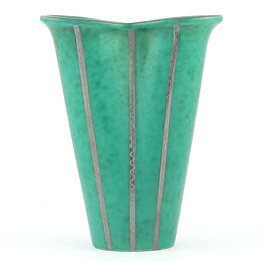
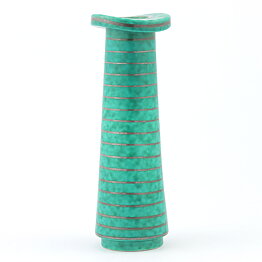
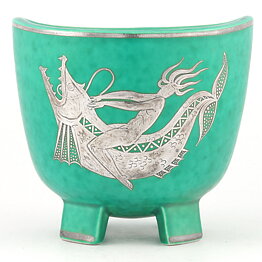
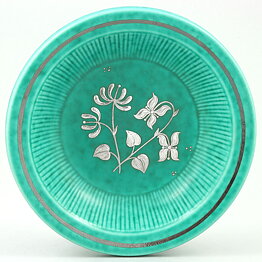
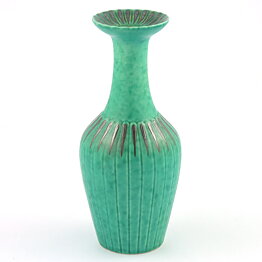
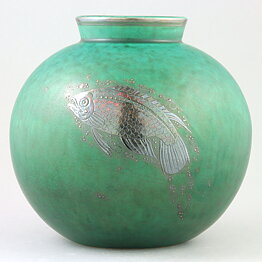
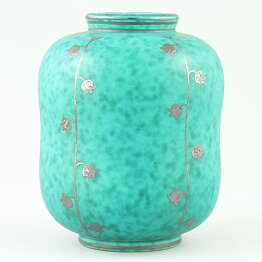
The width of the Argenta pieces is striking, ranging from vases and bowls, to urns and sculptures. They were made of stoneware with monumental forms and neoclassical or Art Deco motifs. Most of them came with a mottled strong green glaze. But they could also come in blue, brown, celadon green, or red color. The Argenta series was manufactured until the late 1970s. Which of Wilhelm’s objects is your favorite?
Different Glazes of the Argenta Series
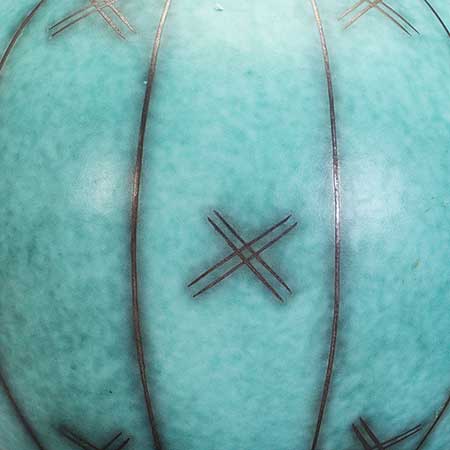
Celadon
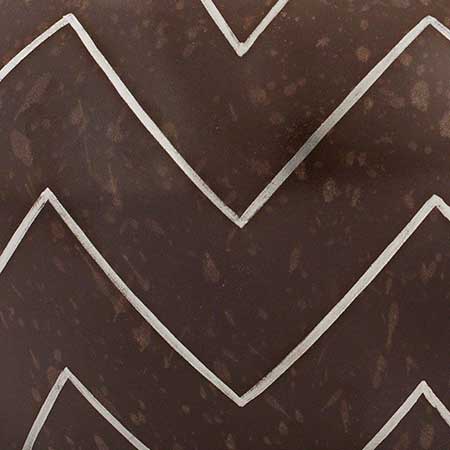
Brown
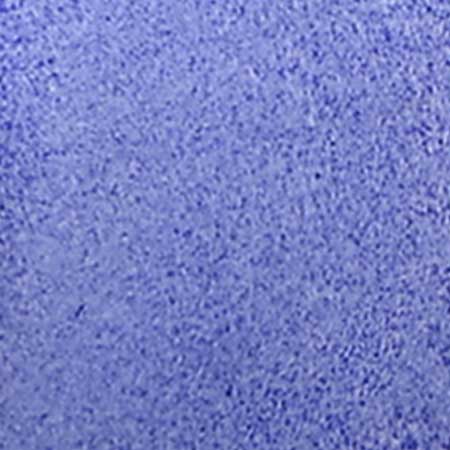
Blue
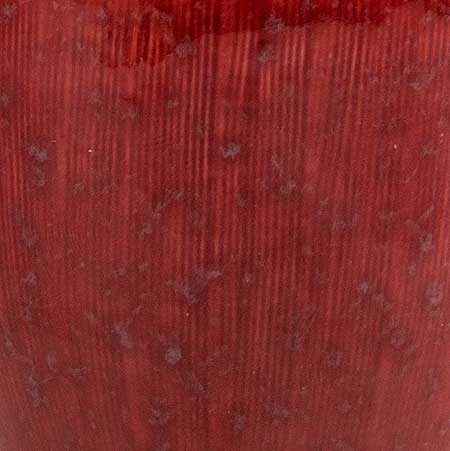
Red
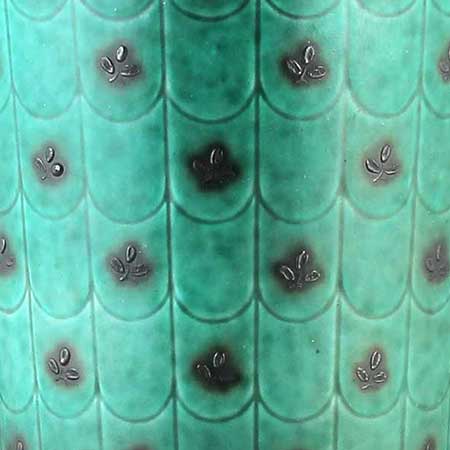
Green
The Production Technique of the Argenta Series
- Throwing or moulding of the clay, then first firing
- White-glazing, then second firing
- Green-glazing, then third firing
- Hand-decorating using a mix of silver paste, turpentine, and clove oil, then fourth firing
- Chiseling the details of the silver
The Marks of the Argenta Series
The Argenta pieces could be marked in several ways but they usually contain ”Gustavsberg” and ”Argenta” on the lower side. In 1931-1958, they were hand-signed with year symbol using silver paste. From 1959, the pieces were marked with a golden stamp.
A = 1931
B = 1932
C = 1933
D = 1934
E = 1935
F = 1936
G = 1937
H = 1938
I = 1939
J = 1940
K = 1941
L = 1942
M = 1943
N = 1944
O = 1945
P = 1946
Q = 1947
R = 1948
S = 1949
T = 1950
U = 1951
V = 1952
X = 1953
Y = 1954
Z = 1955
Å = 1956
Ä = 1957
Ö = 1958
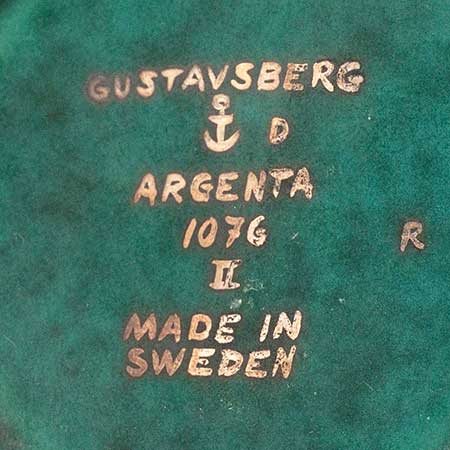
Hand-signed Argenta object with year symbol D (1934)
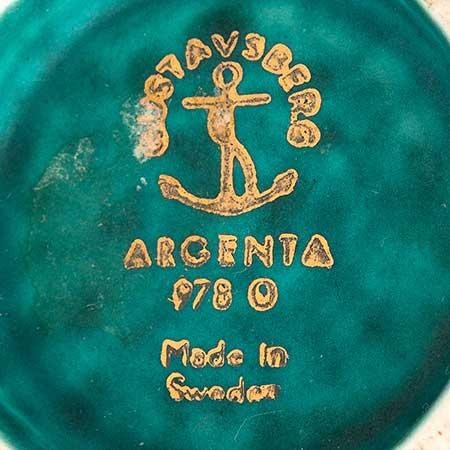
Stamped Argenta object (1959–)
Examples of Argenta Vase Models
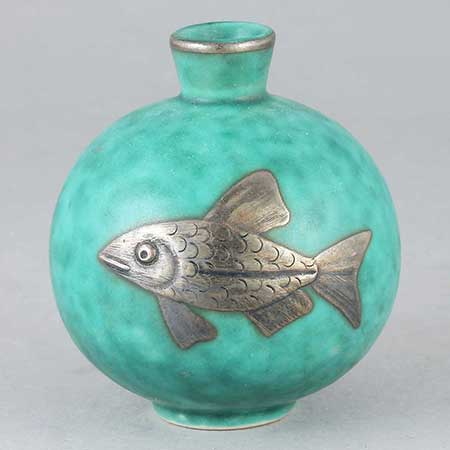

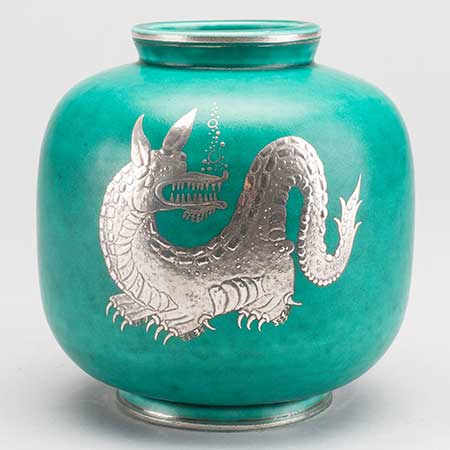

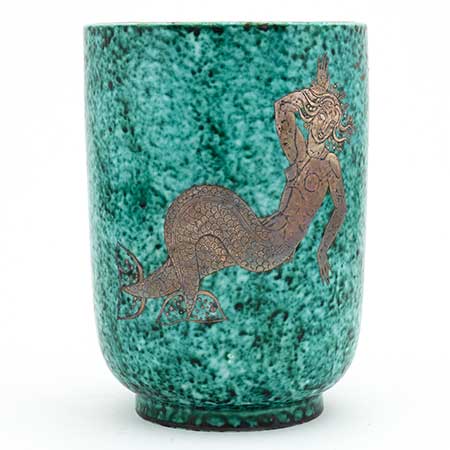
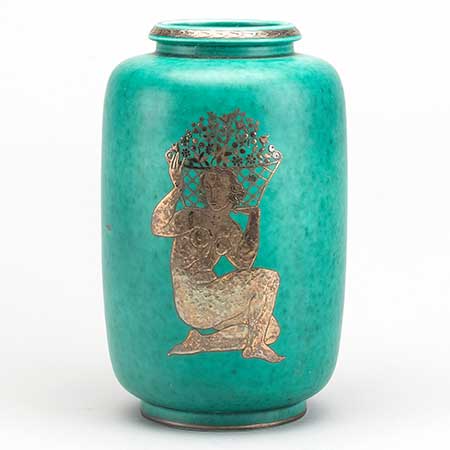
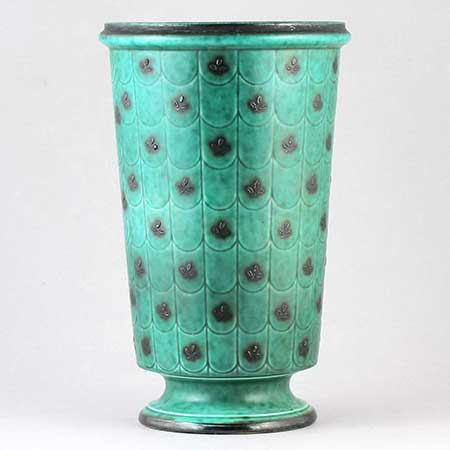
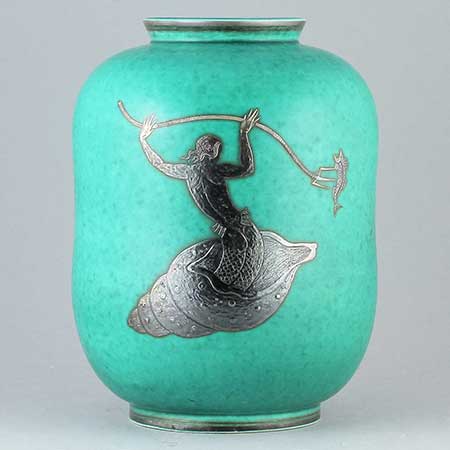
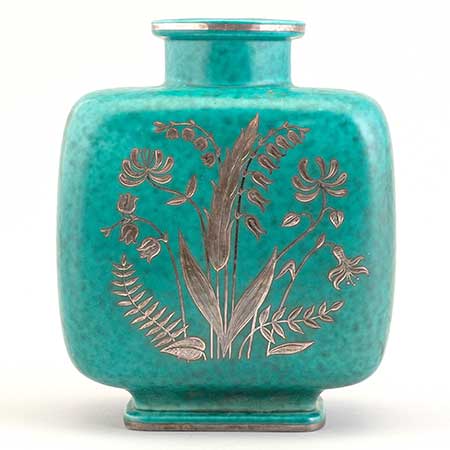
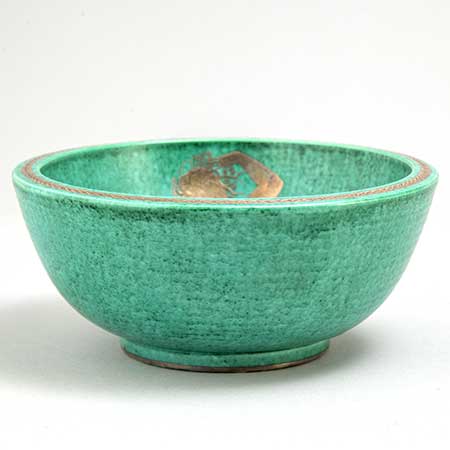
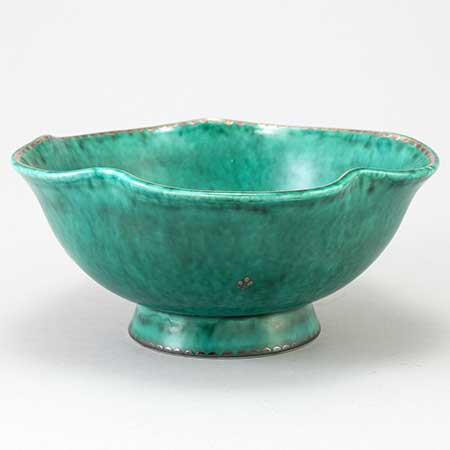
Examples of Argenta Bowl Models
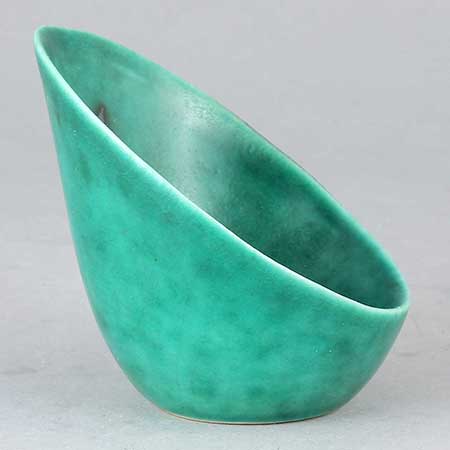
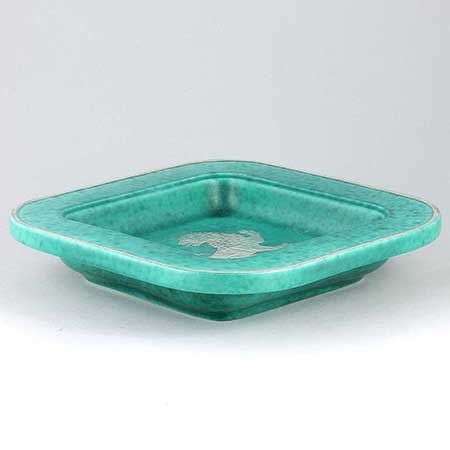
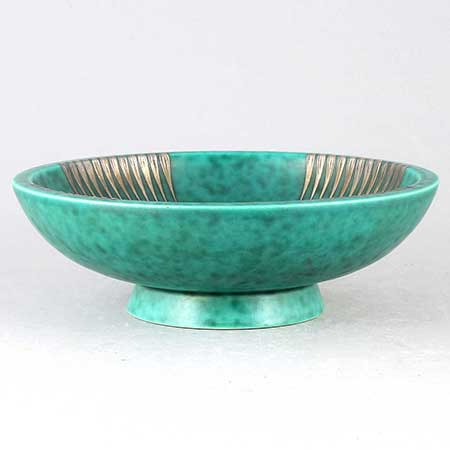
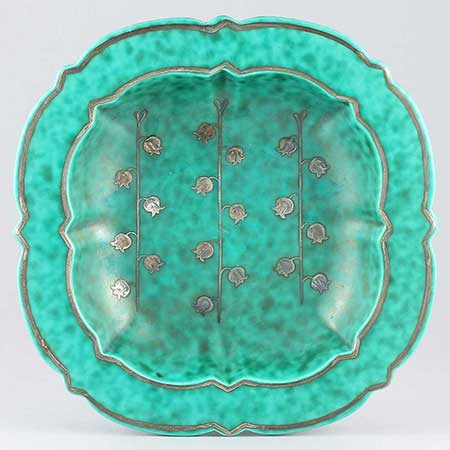
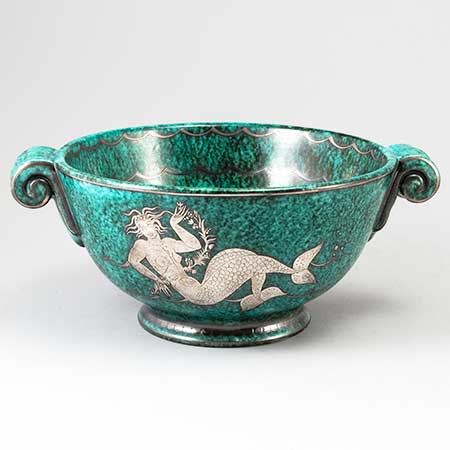
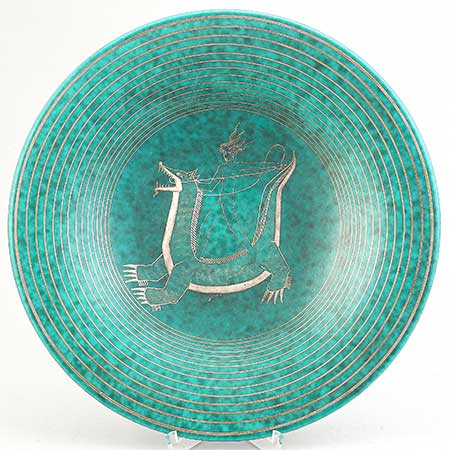
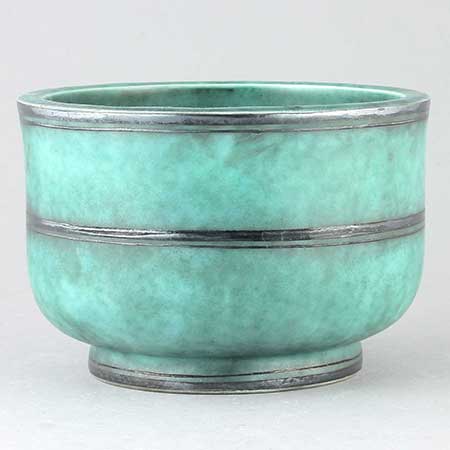
Examples of Other Argenta Models
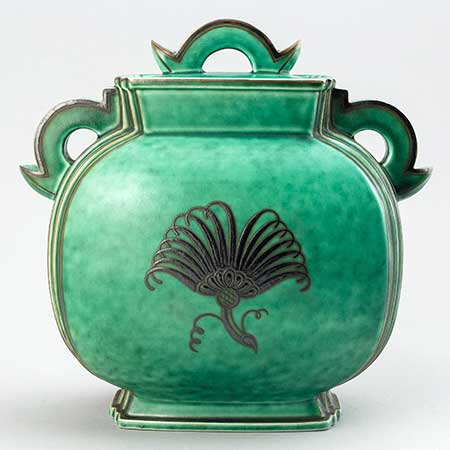
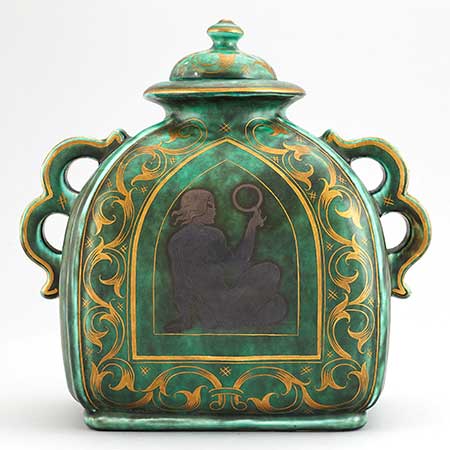
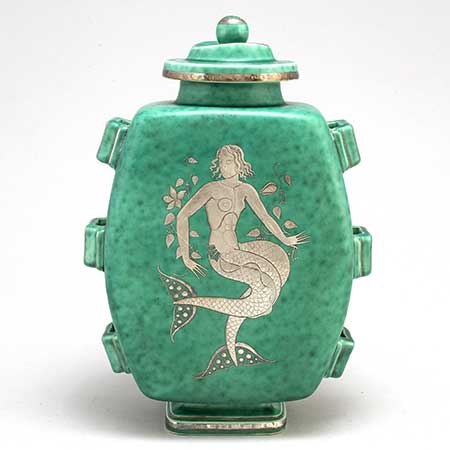
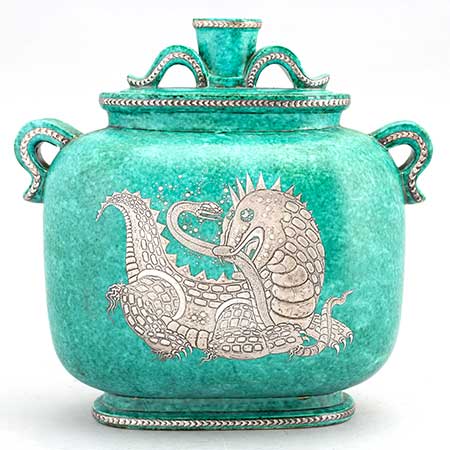
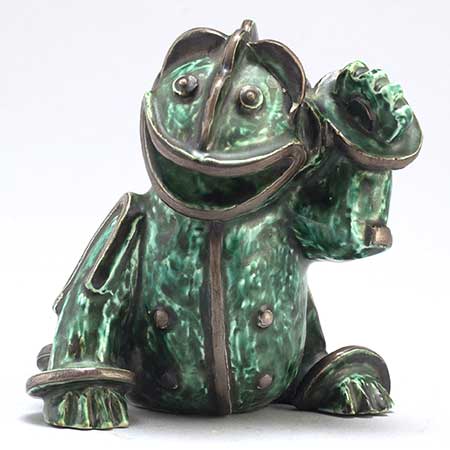
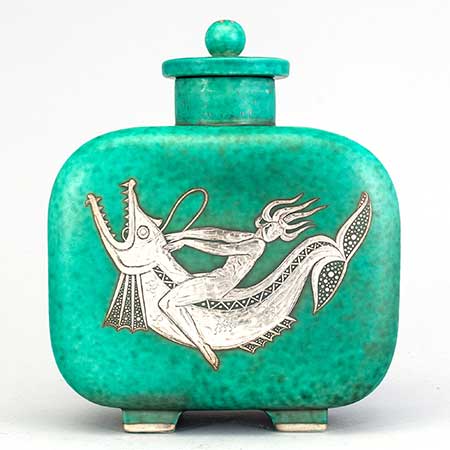
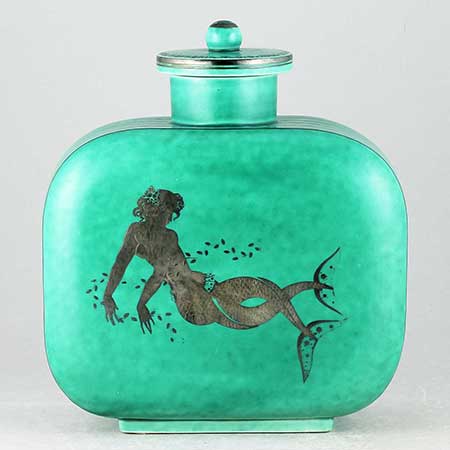
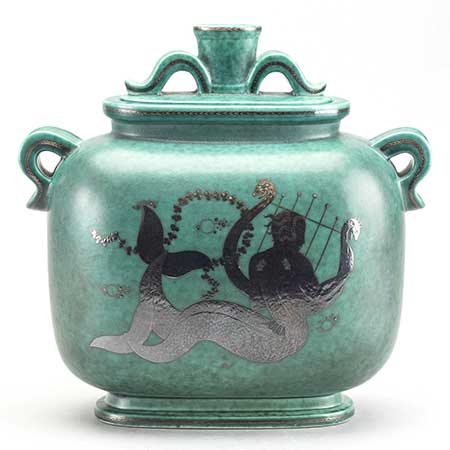
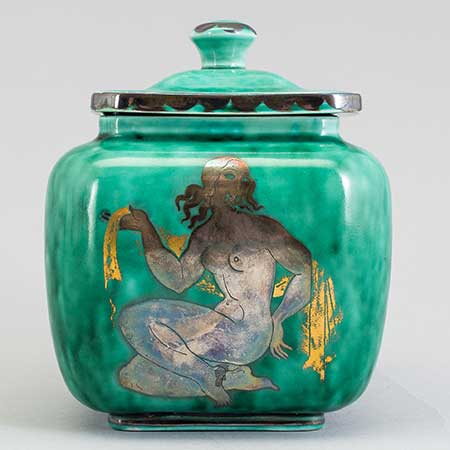
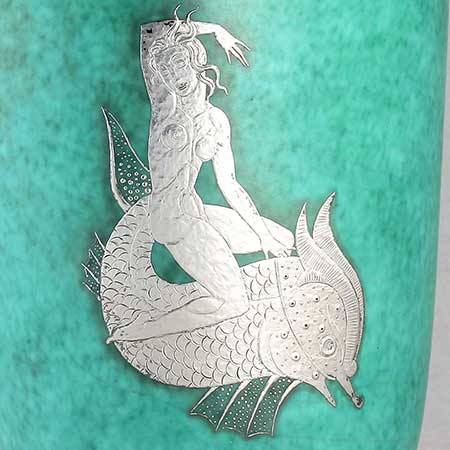
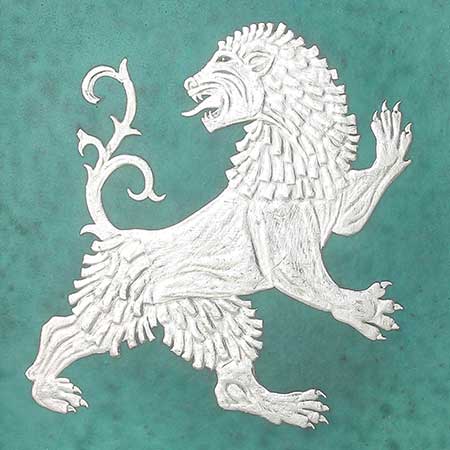
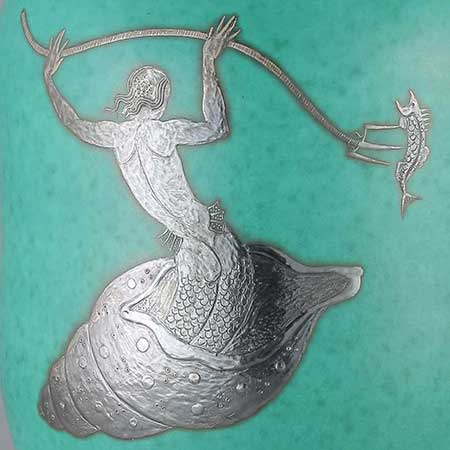
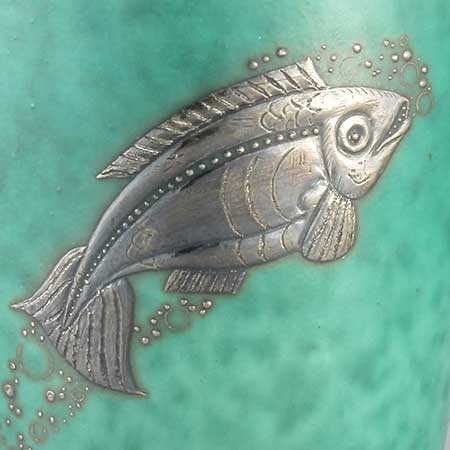
Examples of Argenta Motifs
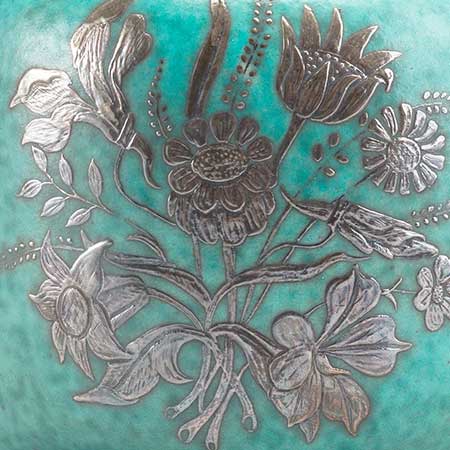
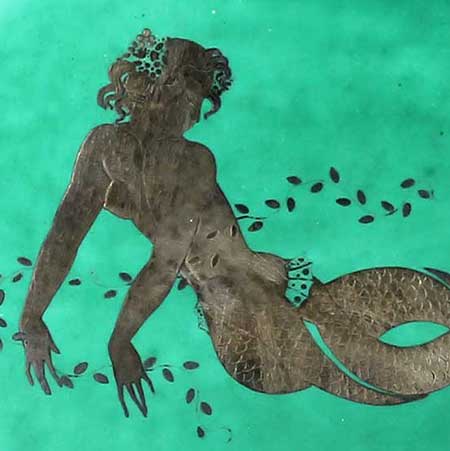
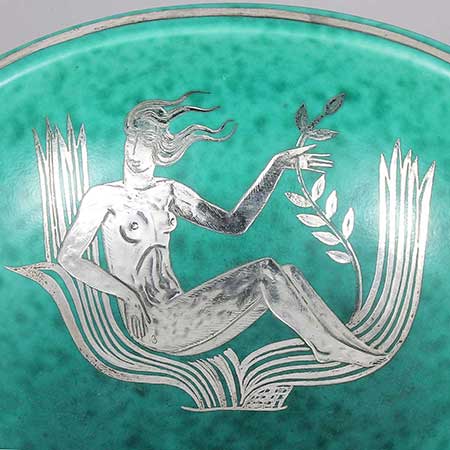
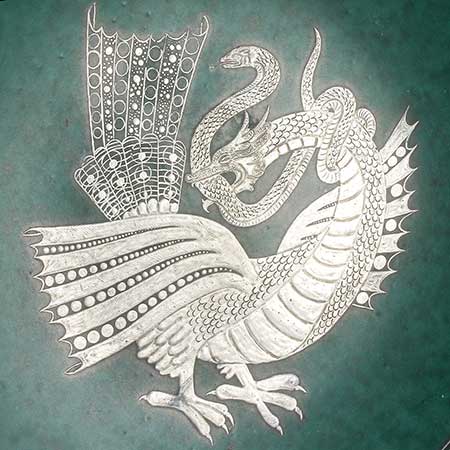
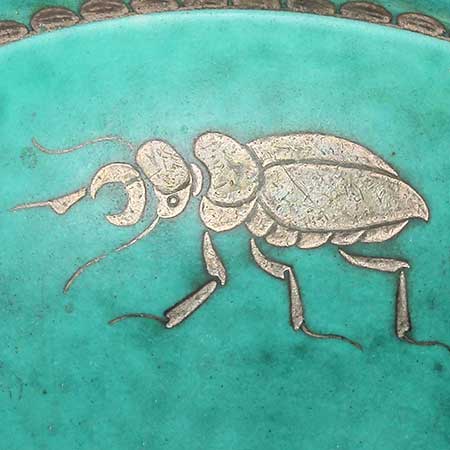
The 1955 Update of Argenta
In 1955, Wilhelm Kåge launched a major update of the Argenta series. He presented more than 40 new models with more modern forms. The neoclassical motifs from the early production were often replaced with 30 new decors with geometric patterns, lines, and dots.
The 1955 Argenta Models
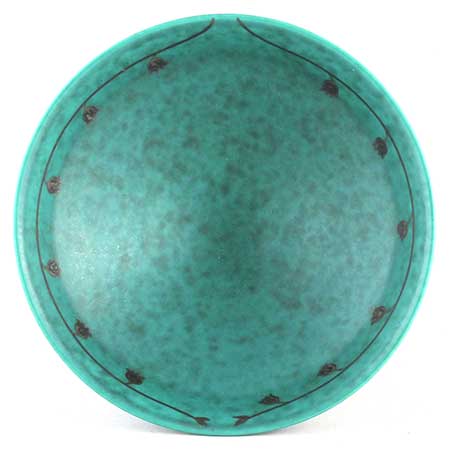
Model A1, bowl, diameter 15 cm / 5.9 in
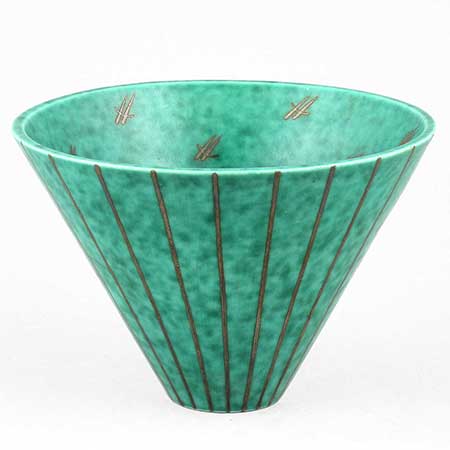
Model A2, bowl, diameter 14 cm / 5.5 in
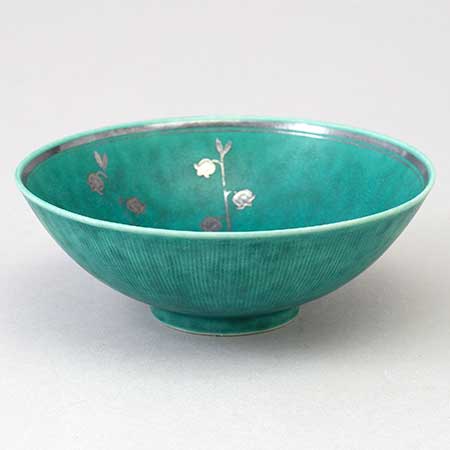
Model A3, bowl, diameter 12 cm / 4.7 in
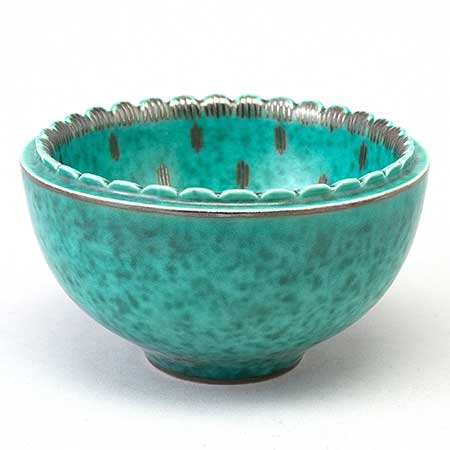
Model A4, bowl, diameter 13 cm / 5.1 in
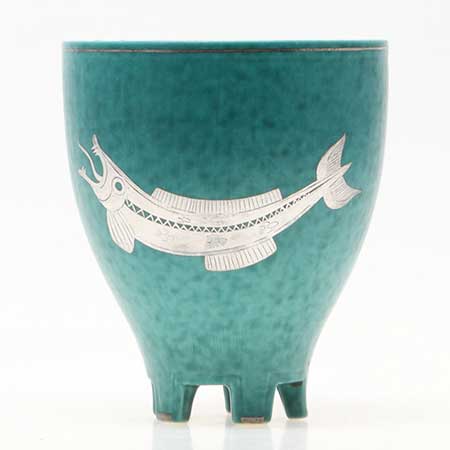
Model A5, bowl, diameter 11 cm / 4.3 in
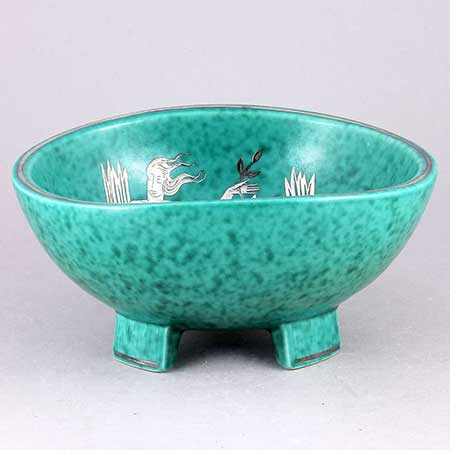
Model A6, bowl diameter 19 cm / 7.5 in
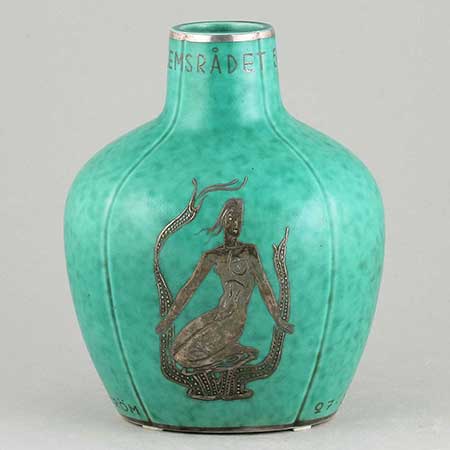
Model A8, vase, height 16 cm / 6.3 in
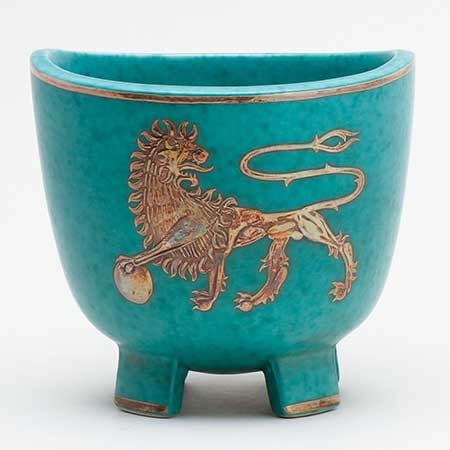
Model A9, bowl, diameter 12 cm / 4.7 in
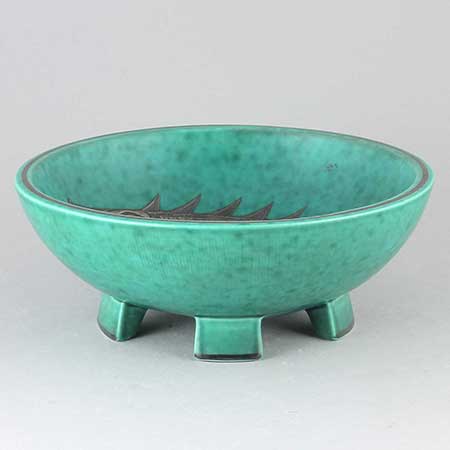
Model A10, bowl, diameter 18 cm / 7.1 in
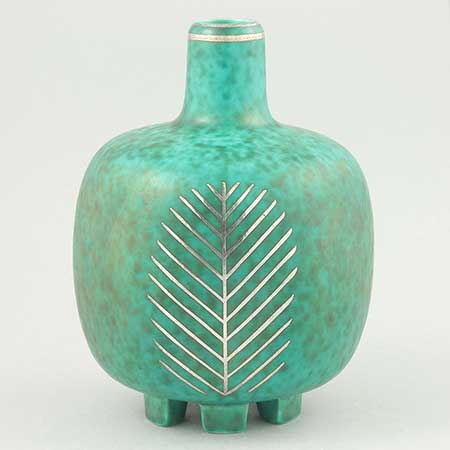
Model A11, vase, height 16 cm / 6.3 in
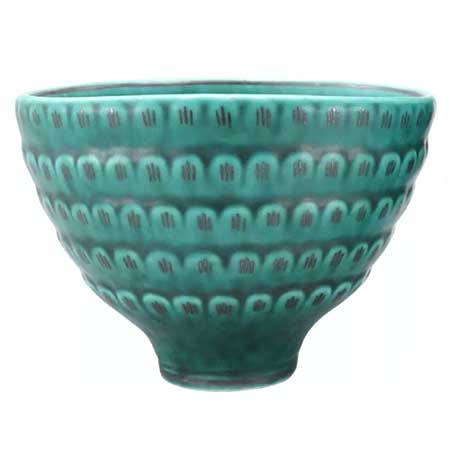
Model A12, bowl, diameter 12 cm / 4.7 in
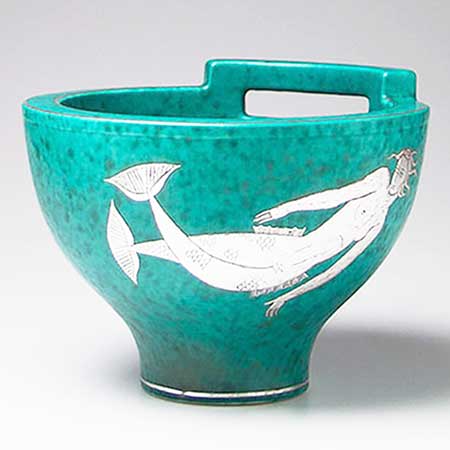
Model A13, bowl, diameter 17 cm / 6.7 in
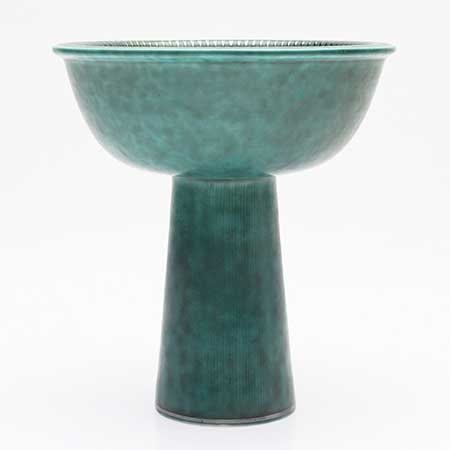
Model A14, bowl, height 14 cm / 5.5 in
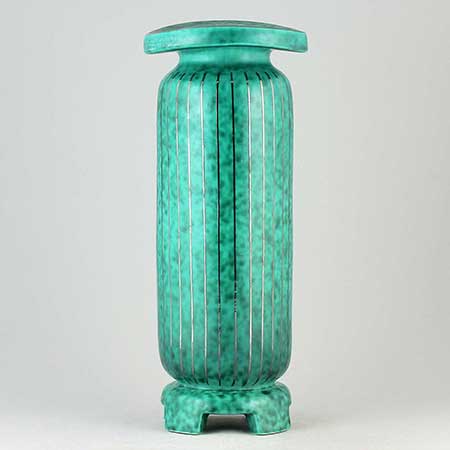
Model A15, vase, height 29 cm / 11.4 in
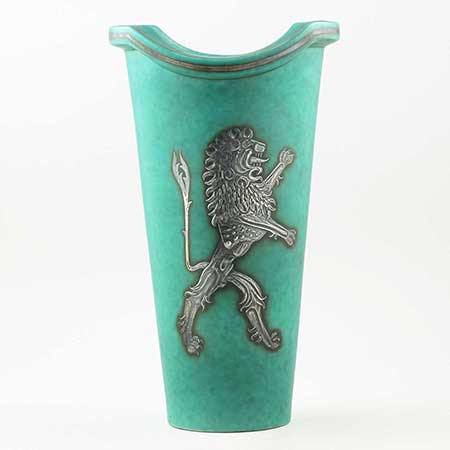
Model A16, vase, height 26 cm / 10.2 in
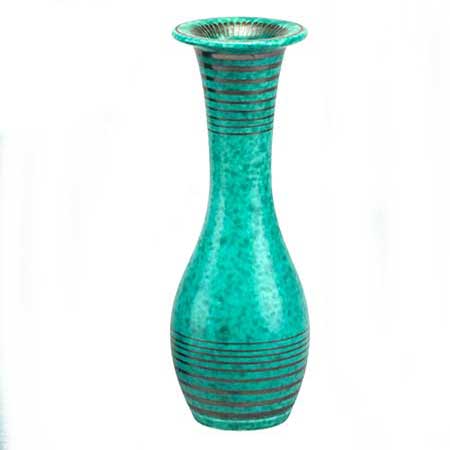
Model A18, vase, height 22 cm / 8.7 in
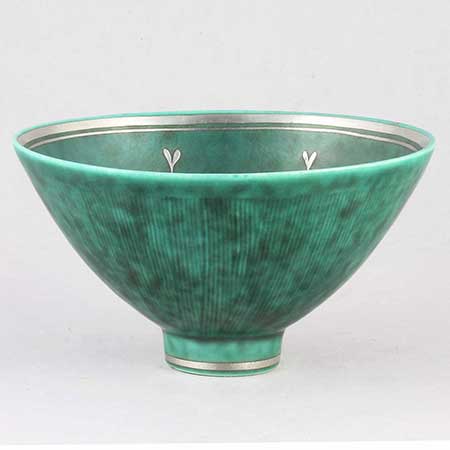
Model A19, bowl, diameter 11 cm / 4.3 in
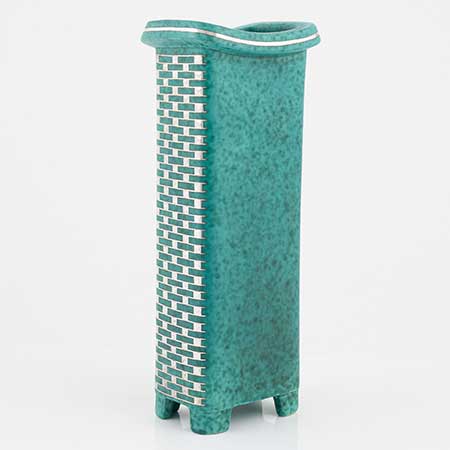
Model A20, vase, height 30 cm / 11.8 in
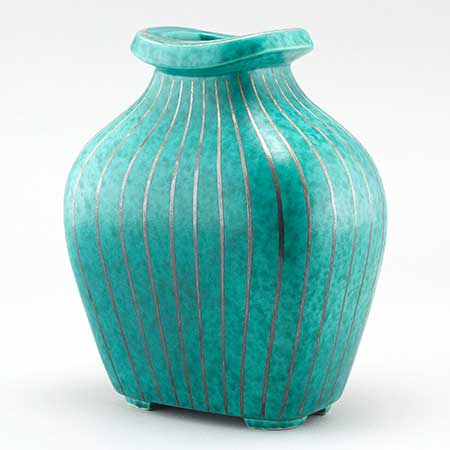
Model A21, urn, height 21 cm / 8.3 in
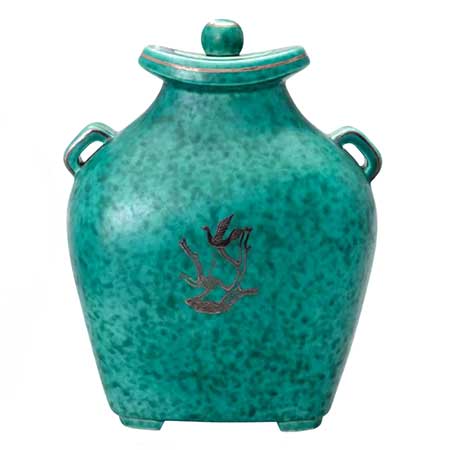
Model A22, urn with lid, height 21 cm / 8.3 in
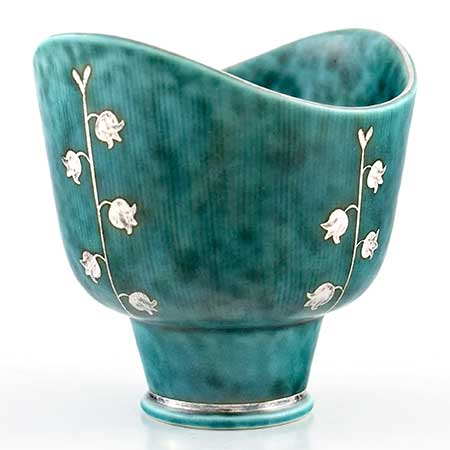
Model A23, bowl, diameter 8,5 cm / 3.3 in
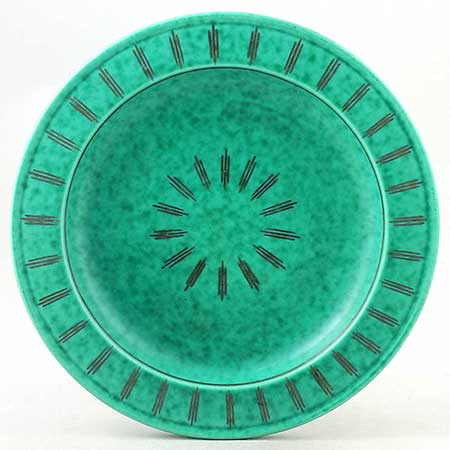
Model A24, dish, diameter 23 cm / 9.1 in
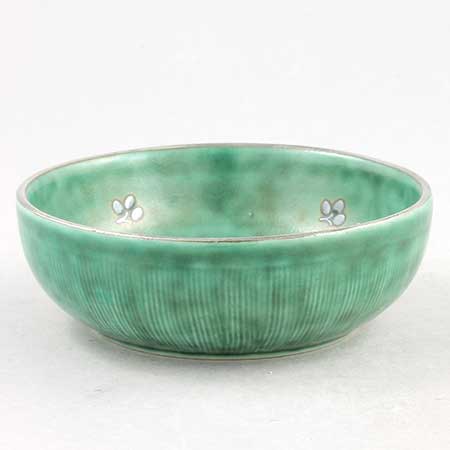
Model A25, bowl, diameter 6,5–12 cm / 2.6–4.7 in (five sizes)
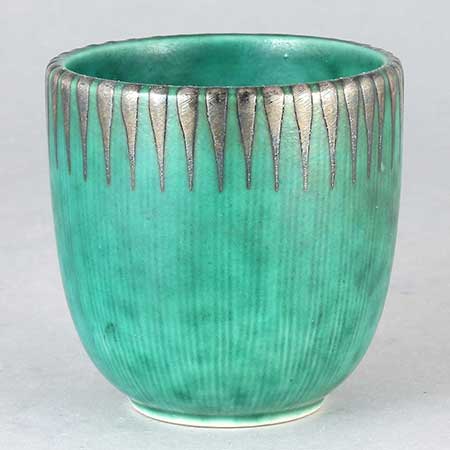
Model A26, bowl, diameter 5,5 cm / 2.2 in
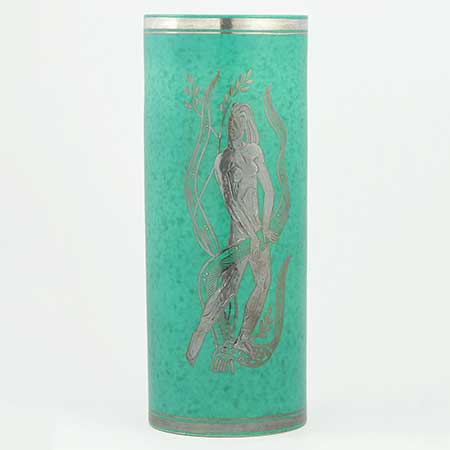
Model A27, vase, height 8,5–32 cm / 3.3–12.6 in (several sizes)
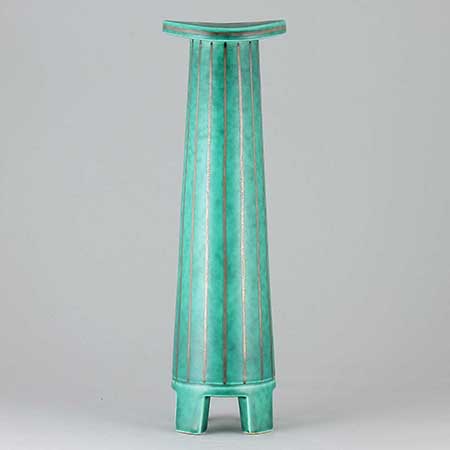
Model A28, vase, height 16–23,5 cm / 6.3–9.3 in (two sizes)
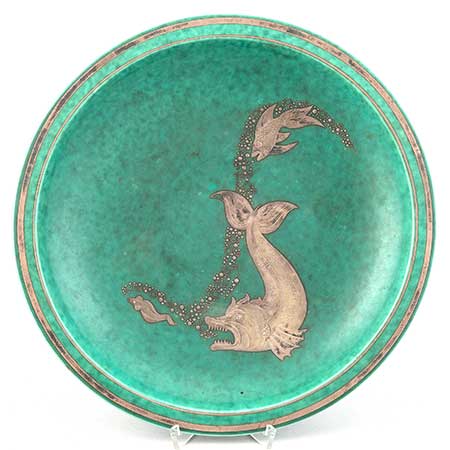
Model A29, dish, diameter 30 cm / 11.8 in
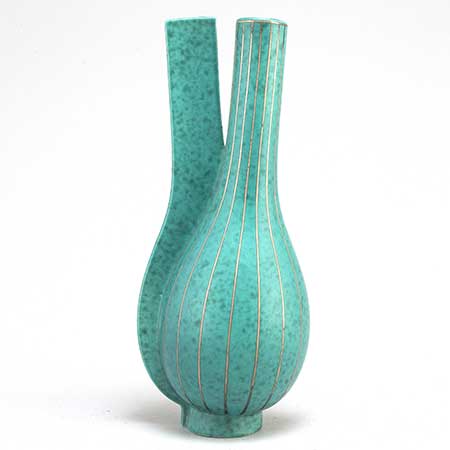
Model A31, vase, height 25 cm / 9.8 in
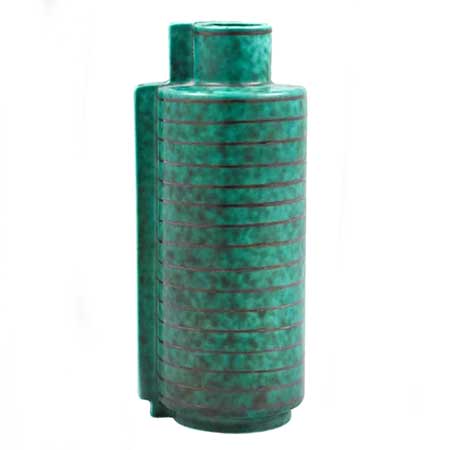
Model A32, vase, height 19 cm / 7.5 in
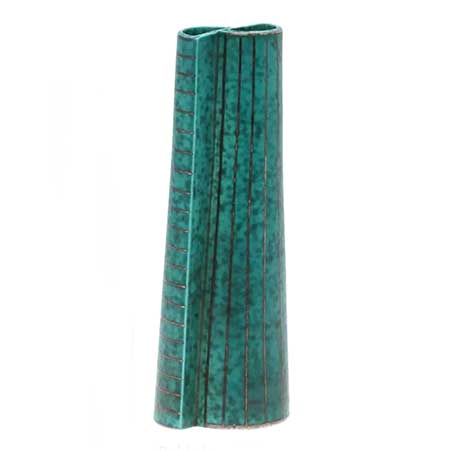
Model A33, vase, height 24 cm / 9.4 in
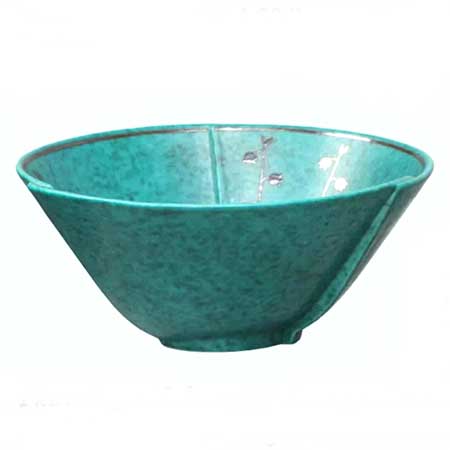
Model A44, bowl, diameter 20 cm / 7.9 in
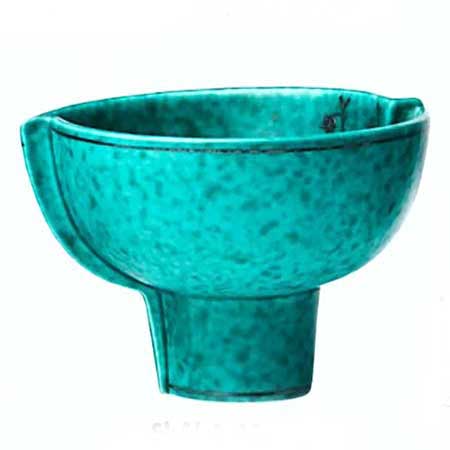
Model A45, bowl, diameter 14 cm / 5.5 in
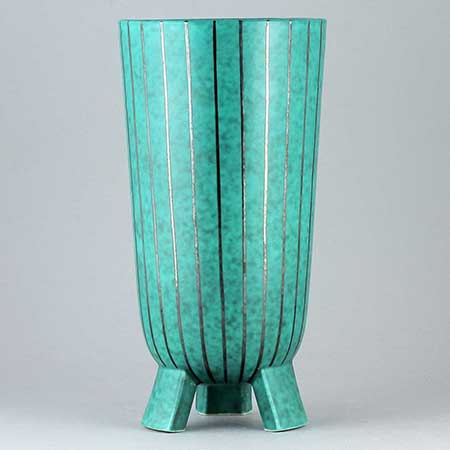
Model A47, vase, height 22 cm / 8.7 in
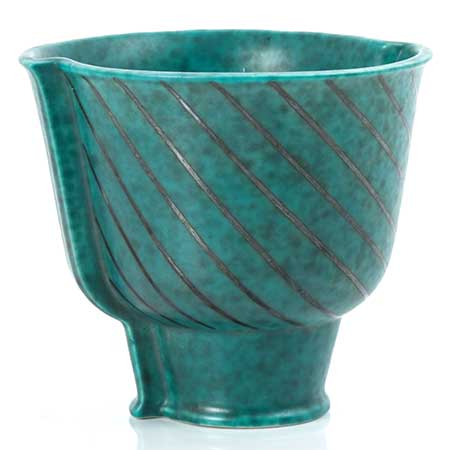
Model A48, bowl, diameter 12 cm / 4.7 in
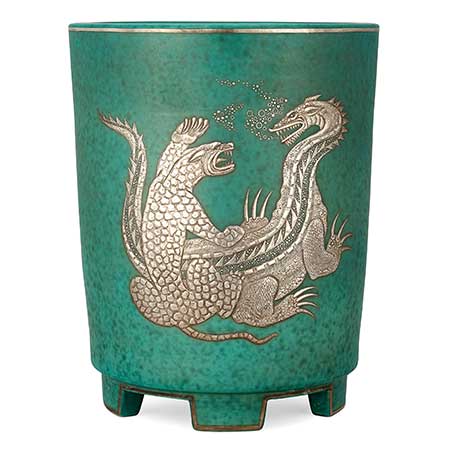
Model A49, height 29 cm / 11.4 in
The 1955 Argenta Decors
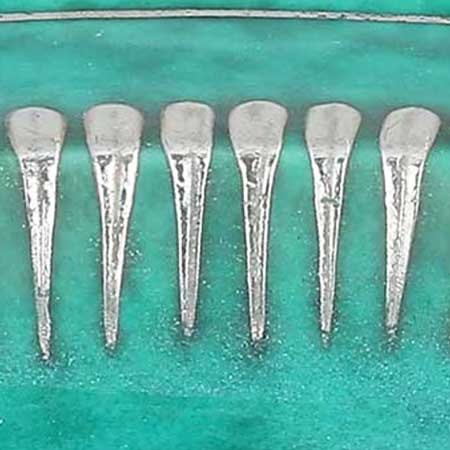
Amulett (Amulet)
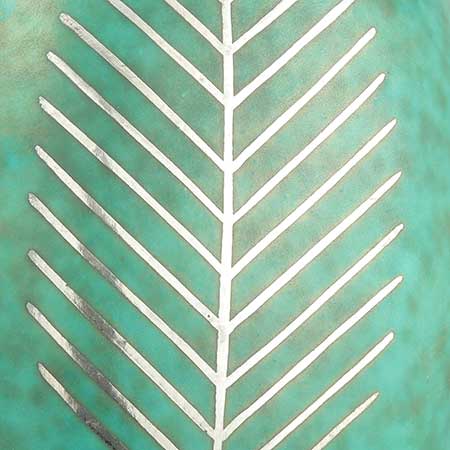
Bladnerv (Leaf nerve)
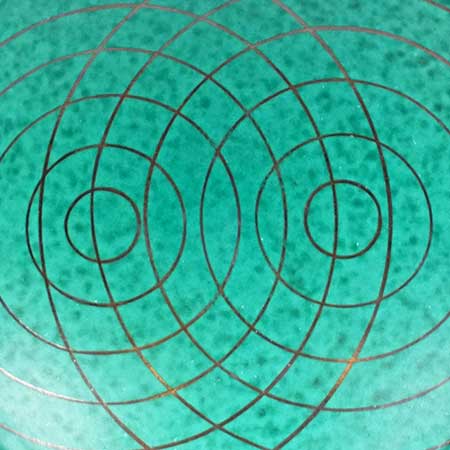
Cirklar (Circles)
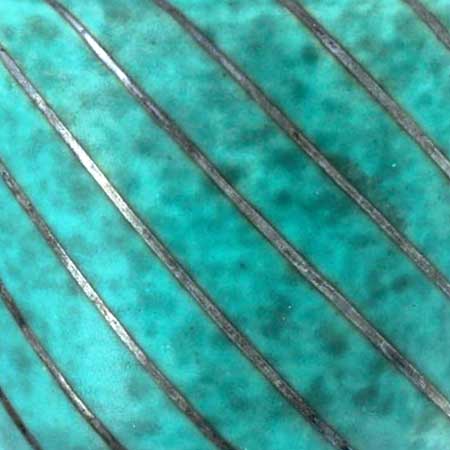
Diagonal
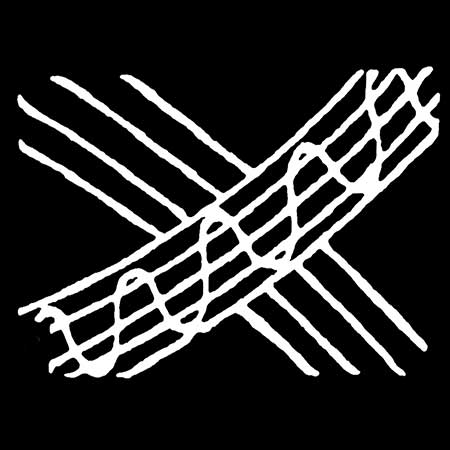
Etyd (Etyd)
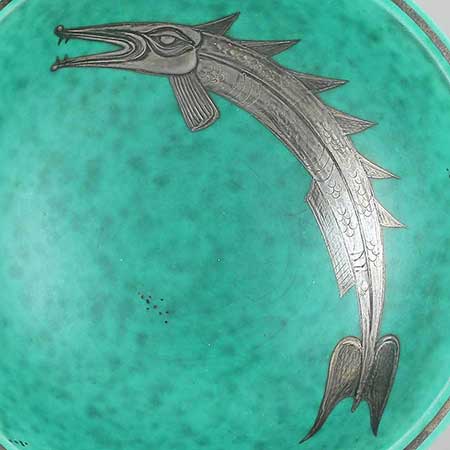
Fisk (Fish)
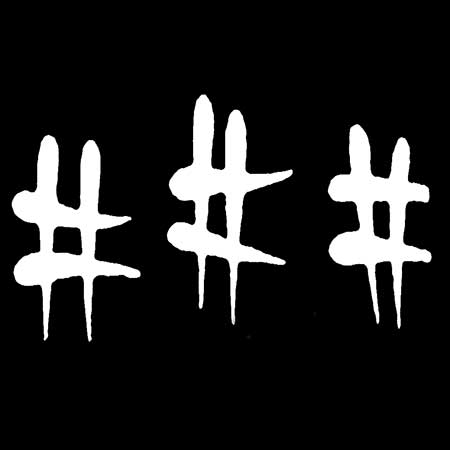
Trestreck (Three lines)
Asia
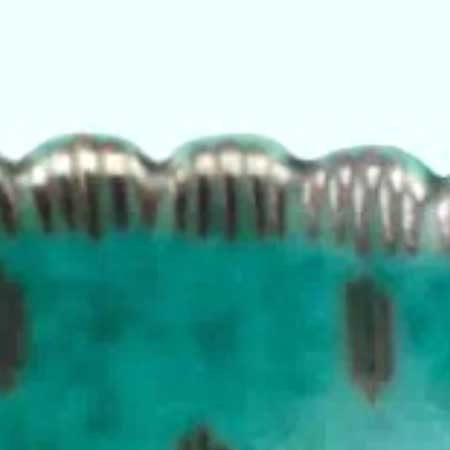
Småstreck (Small lines)
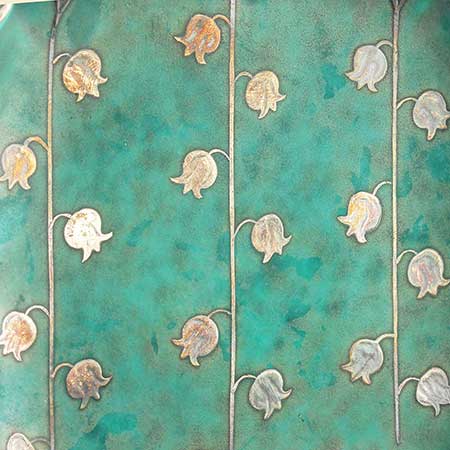
Liljekonvalj (Lily of the Valley)
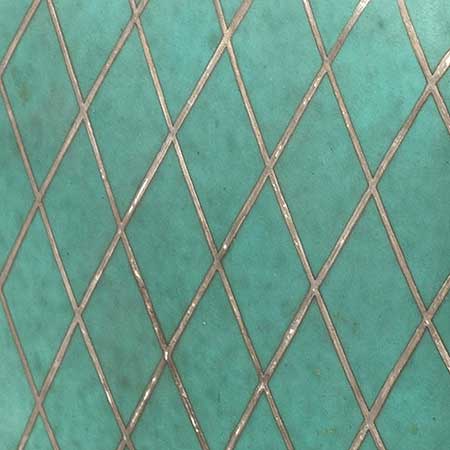
Rutor (Squares)
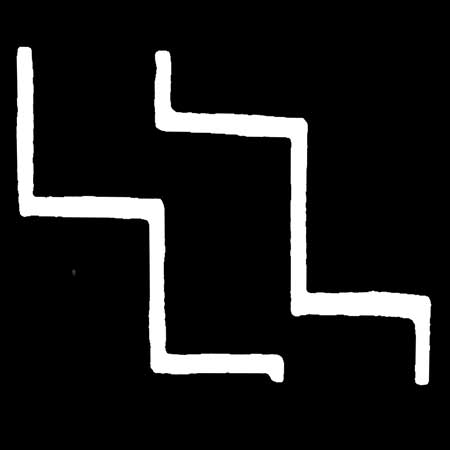
Mex
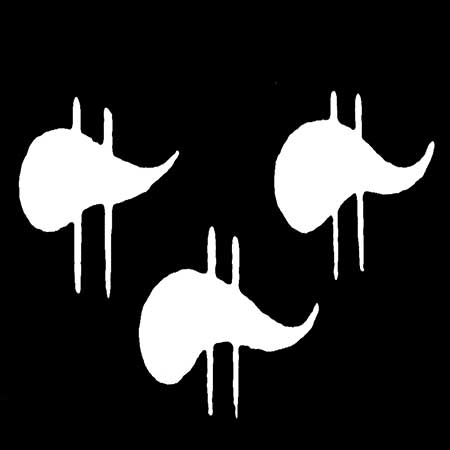
Nålar (Needles)
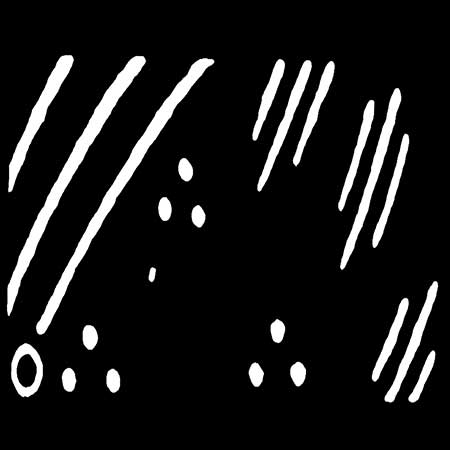
Opus
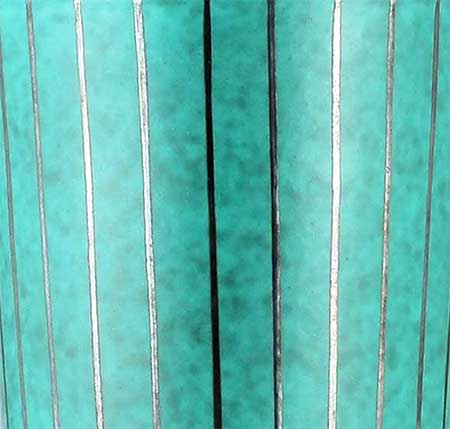
Profil (Profile)
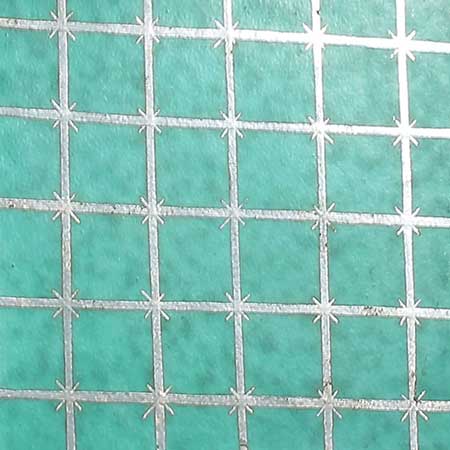
Rutprofil (Grid profile)
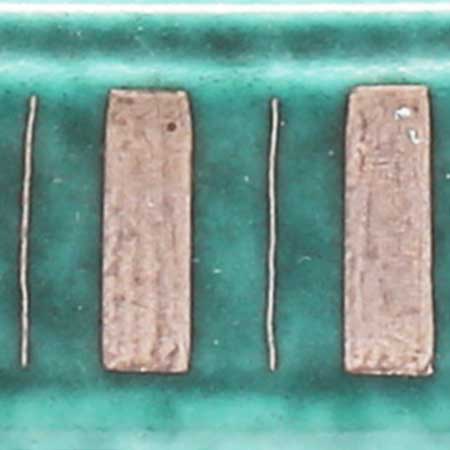
Staket (Fence)
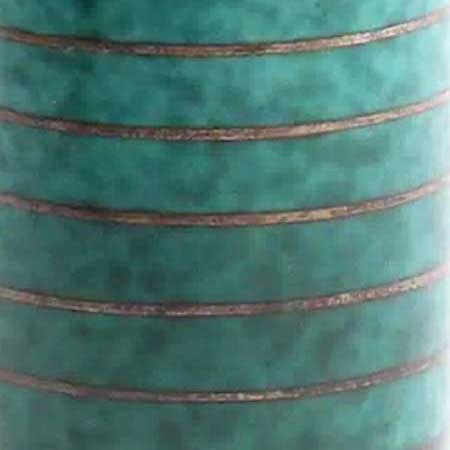
Tvärprofil (Cross profile)
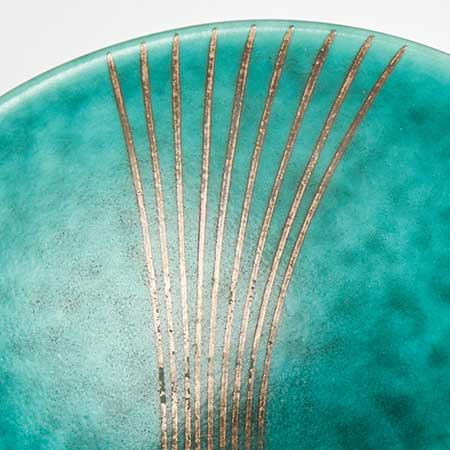
Ultra
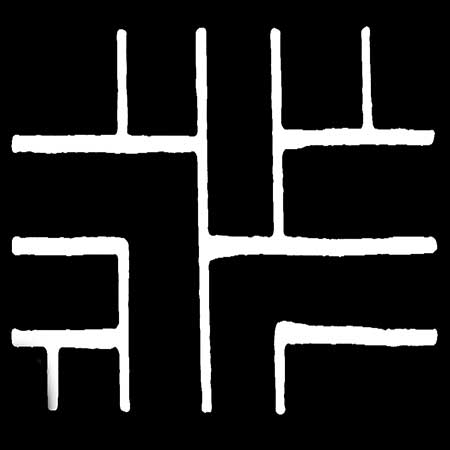
Viggar (Flashes)
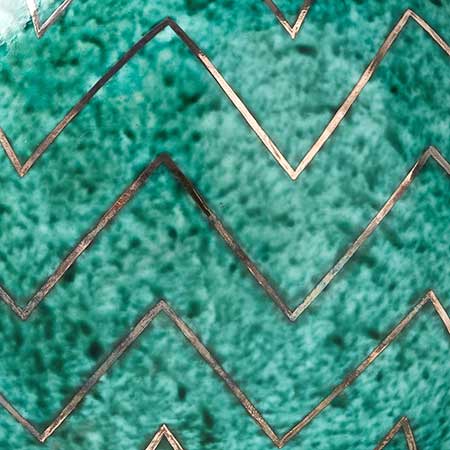
Vinkel (Angle)
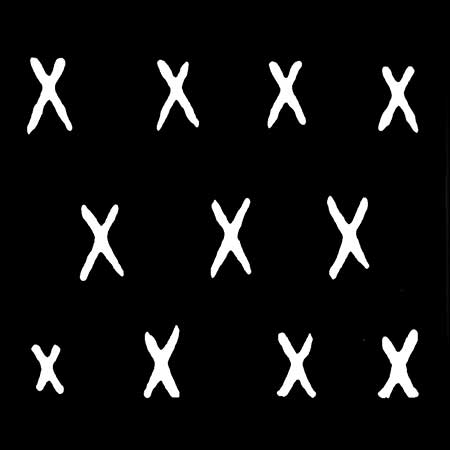
Kryss (Cross)
Ypsilon
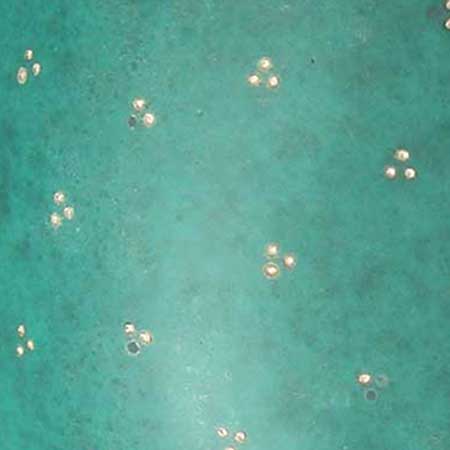
Treprick (Three dots)
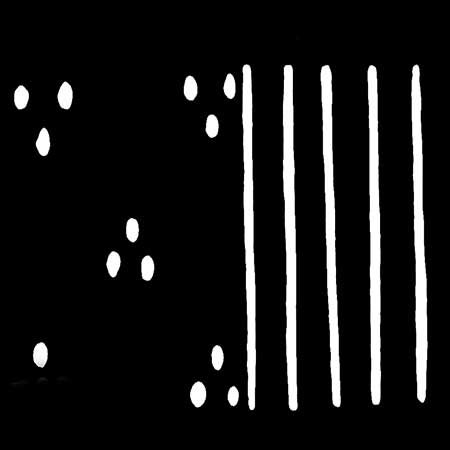
Treprick + profil (Three dots + profile)

Spiral
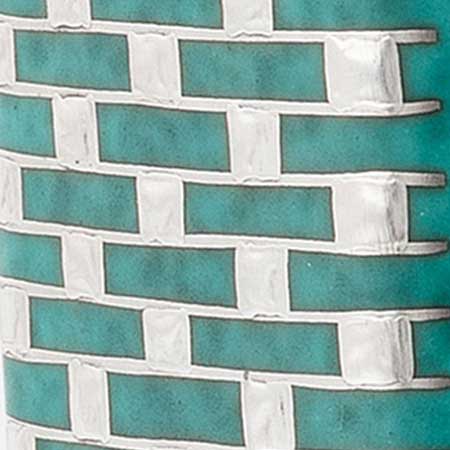
Fläta (Braid)
Trianglar (Triangles)
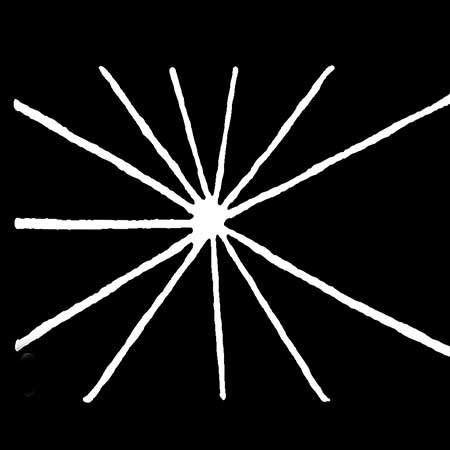
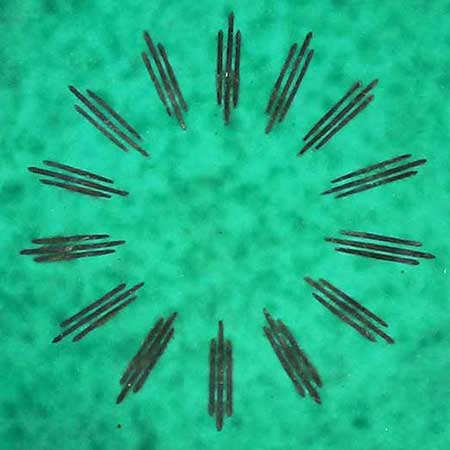
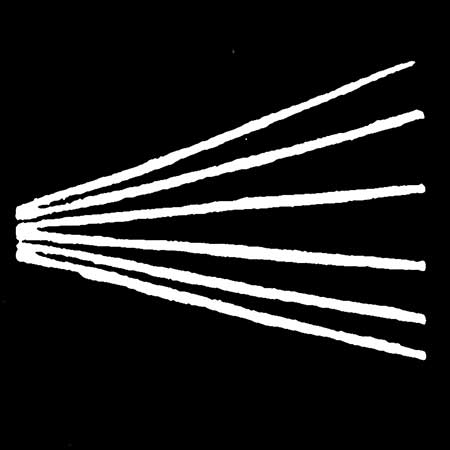
Strålar (Rays)
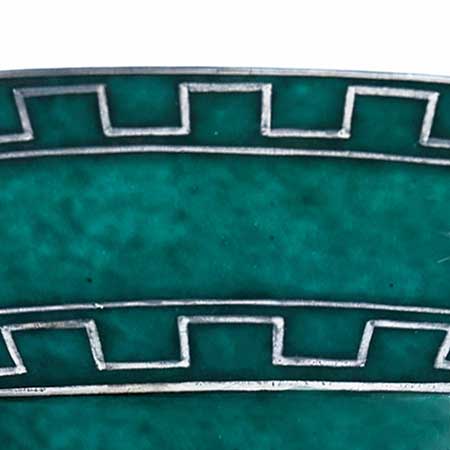
À la grecque
References
"Wilhelm Kåge. Formgivare i folkhemmet.” by Petter Eklund (2017)
”Wilhelm Kåge. Keramikens mästare." by Gisela Eronn (2006)
Visit the page with all our objects by Wilhelm Kåge.