

Raija Uosikkinen – Ceramics from Arabia

![Raija Uosikkinen (Kalevala) Annual Wall Plate 1991 20 cm [Sample Images]](https://cdn.abicart.com/shop/images/184944455-origpic-70e131/4412/art12/h4455/1991.jpg?max-width=262&max-height=262&quality=85)

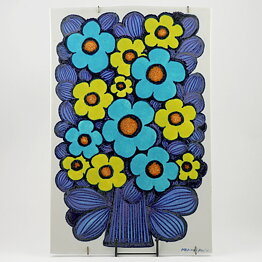
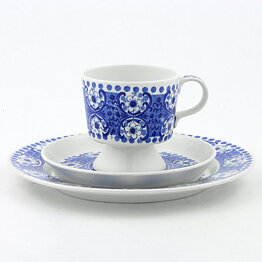
![Raija Uosikkinen (Johanna 1968) Coffee Cup Saucer with Blue/Turquoise Flower Decor 12 cm [Sample Images] [Free Shipping]](https://cdn.abicart.com/shop/images/225299598-origpic-188a6c/4412/art12/h9598/IMG_8427.jpg?max-width=262&max-height=262&quality=85)
![Raija Uosikkinen (Johanna 1968) Creamer with Blue/Turquoise Flower Decor 11/7 cm [Sample Images]](https://cdn.abicart.com/shop/images/225298626-origpic-85c13a/4412/art12/h8626/IMG_8410.jpg?max-width=262&max-height=262&quality=85)
![Raija Uosikkinen (Johanna 1968) Sugar Bowl with Blue/Turquoise Flower Decor 11/6 cm [Sample Images]](https://cdn.abicart.com/shop/images/225298252-origpic-53f0fc/4412/art12/h8252/IMG_8405.jpg?max-width=262&max-height=262&quality=85)
![Raija Uosikkinen (Johanna 1968) Plate with Blue/Turquoise Flower Decor 16 cm [Sample Images]](https://cdn.abicart.com/shop/images/225297494-origpic-540499/4412/art12/h7494/IMG_8415.jpg?max-width=262&max-height=262&quality=85)
![Raija Uosikkinen (Johanna 1968) Coffee Cup with Blue/Turquoise Flower Decor 10 cm [Sample Images]](https://cdn.abicart.com/shop/images/225257988-origpic-aa098c/4412/art12/h7988/IMG_8420.jpg?max-width=262&max-height=262&quality=85)
![Raija Uosikkinen (Kauno 1962) Eggcup with Yellow Decor 5 cm [Sample Images]](https://cdn.abicart.com/shop/images/225275438-origpic-208146/4412/art12/h5438/IMG_8464.jpg?max-width=262&max-height=262&quality=85)
![Raija Uosikkinen (Kauno 1962) Eggcup with Green Decor 5 cm [Sample Images]](https://cdn.abicart.com/shop/images/225275418-origpic-98ed14/4412/art12/h5418/IMG_8462.jpg?max-width=262&max-height=262&quality=85)
![Raija Uosikkinen (Kauno 1962) Eggcup with Blue Decor 5 cm [Sample Images]](https://cdn.abicart.com/shop/images/225275378-origpic-670477/4412/art12/h5378/IMG_8466.jpg?max-width=262&max-height=262&quality=85)
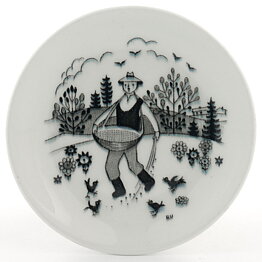
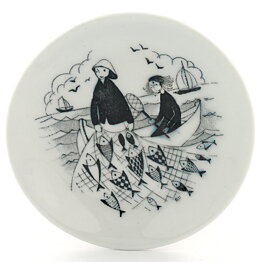
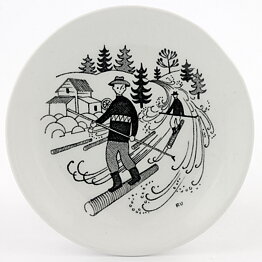
![Raija Uosikkinen (Pallas 1965) Plate with Golden Decor 18 cm [Sample Images]](https://cdn.abicart.com/shop/images/225167458-origpic-c09edf/4412/art12/h7458/IMG_7647.jpg?max-width=262&max-height=262&quality=85)
![Raija Uosikkinen (Pallas 1965) Coffee Cup with Golden Decor 9 cm (No Saucer) [Sample Images]](https://cdn.abicart.com/shop/images/225167452-origpic-d9c816/4412/art12/h7452/IMG_7635.jpg?max-width=262&max-height=262&quality=85)
![Raija Uosikkinen (Pallas 1965) Coffee Cup with Golden Decor 9 cm [Sample Images]](https://cdn.abicart.com/shop/4412/art12/h7394/225167394-origpic-563927.jpg?max-width=262&max-height=262&quality=85)
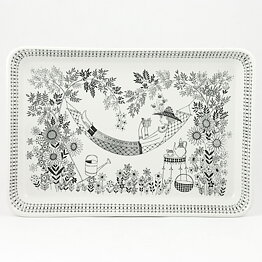

![Raija Uosikkinen (Pallas 1965) Coffee Cup with Golden Decor 9 cm [Sample Images]](https://cdn.abicart.com/shop/images/225132494-origpic-525f89/4412/art12/h2494/IMG_7639.jpg?max-width=262&max-height=262&quality=85)

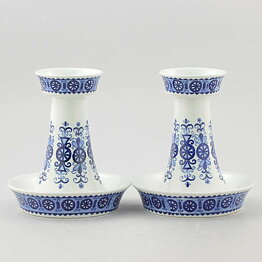
![Raija Uosikkinen (1960s) Studio Plate with Green/Yellow Decor 20 cm [Sample Images]](https://cdn.abicart.com/shop/4412/art12/h7846/225067846-origpic-465545.jpg?max-width=262&max-height=262&quality=85)
![Raija Uosikkinen (1960s) Studio Teacup with Green/Yellow Decor 13 cm [Sample Images]](https://cdn.abicart.com/shop/4412/art12/h7340/225047340-origpic-34e9e7.jpg?max-width=262&max-height=262&quality=85)
![Raija Uosikkinen (Ruija 1975) Coffee Cup Saucer 13 cm [Sample Images] [Free Shipping]](https://cdn.abicart.com/shop/images/225045588-origpic-64e16f/4412/art12/h5588/IMG_6829.jpg?max-width=262&max-height=262&quality=85)

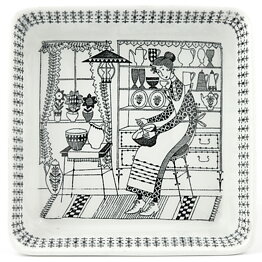


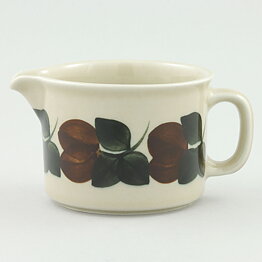
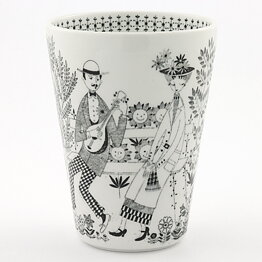
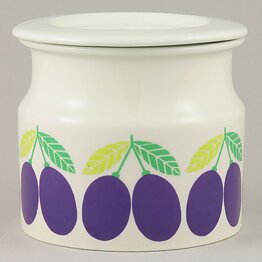
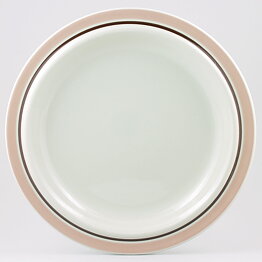
![Raija Uosikkinen (Emilia 1959) Quadratic Dish with Graphic Motif 14 cm [Sample Images]](https://cdn.abicart.com/shop/images/170751573-origpic-e86eb3/4412/art12/h1573/IMG_6381.jpg?max-width=262&max-height=262&quality=85)
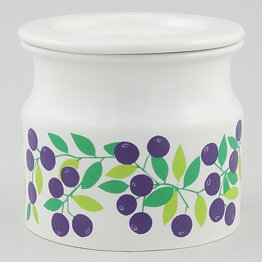
![Raija Uosikkinen (Kalevala) Annual Wall Plate 1998 20 cm [Sample Images]](https://cdn.abicart.com/shop/4412/art12/h5267/184945267-origpic-a5453d.jpg?max-width=262&max-height=262&quality=85)
Raija Uosikkinen – A Short Biography
Raija Uosikkinen was born in 1923 in Hollola in the south of Finland. She studied porcelain painting at the Central School of Arts and Crafts from 1944 to 1947. Arabia then hired her as a decorative painter and decoration designer from 1947 to 1986.

Raija Uosikkinen and Esteri Tomula in 1957

Pitcher from the Hattara series in 1949
Raija and colleague Esteri Tomula would play prominent roles as decoration designers when Arabia renewed its product line in the 1940s and 1950s. During this period, Raija designed decorative motifs for many tableware items created by Kaj Franck. Her first big assignment was to decorate his model B objects, resulting in famous patterns like Polaris, Linnea, and Hattara.
Raija Uosikkinen worked at Arabia almost her entire career, making over a hundred different decors, from pretty flowers to austere lines. Her decorated pieces often sold very well, but she and her colleagues did not get much recognition from the design establishment.

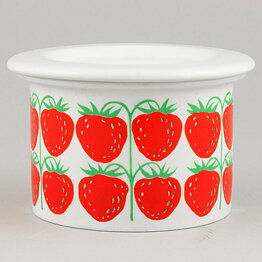
Jam jar from the Pomona series in 1965

Collector plate (1977) from the Kalevala series
Raija mastered all the decoration techniques in the art industry and often found inspiration in Finnish nature, especially her allotment garden near Arabia’s factory. She traveled extensively to places like Asia and the Americas, which influenced her designs.
Arabia began to make a wide range of collectibles in the 1970s. During these years, Raija Uosikkinen came to design two of the factory’s series of collectible plates: the Kalevala annual plates and the Christmas plate series.

Raija Uosikkinen drawing in her sketch book

Objects from the Emilia series in 1959
During her career, Raija took part in many Finnish and foreign exhibitions. In addition to her work, she taught at the Toimela Adult Education Institute and the University of Art and Design in Helsinki.
Raija Uosikkinen’s friends described her as helpful, down to earth, and good-humored. Her positive outlook on life is evident to anyone who looks at the light and playful Emilia series from 1959. The joy conveyed in her motifs makes her pieces attractive to many collectors today.