
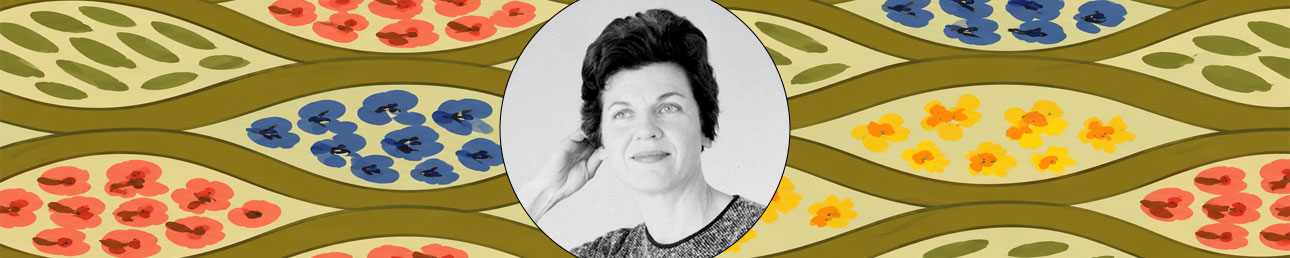
Ingrid Atterberg – Ceramics from Upsala-Ekeby


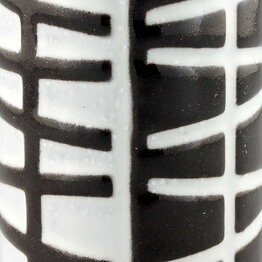
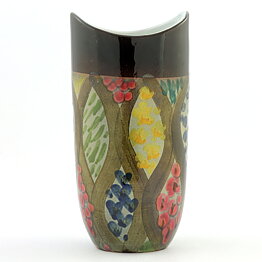
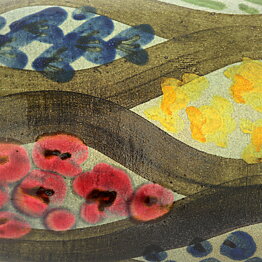
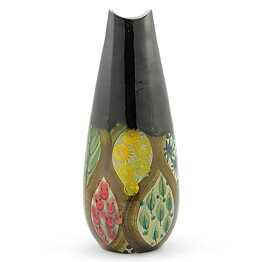
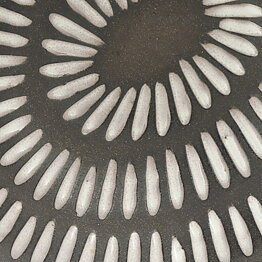
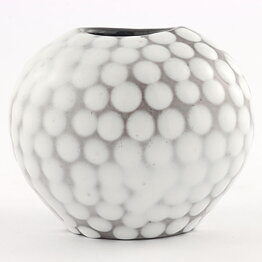
.jpg?max-width=262&max-height=262&quality=85)
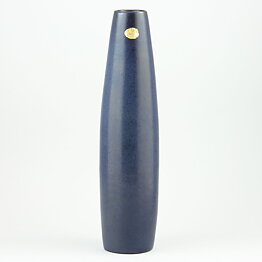
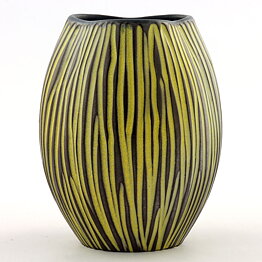
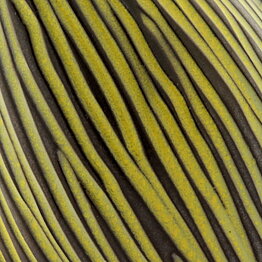
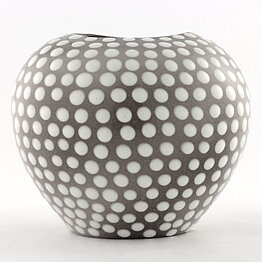
.jpg?max-width=262&max-height=262&quality=85)
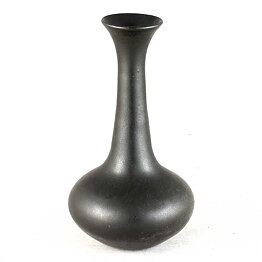
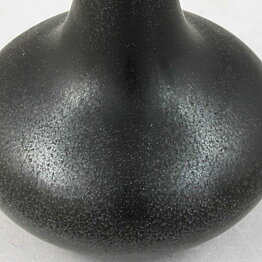
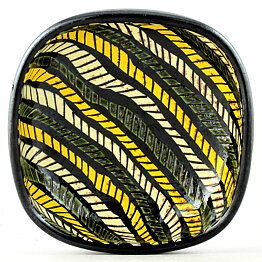
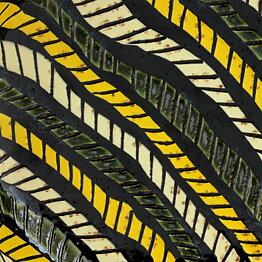
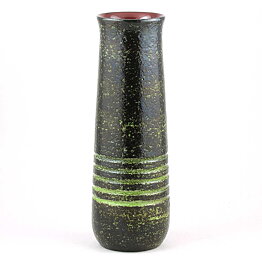
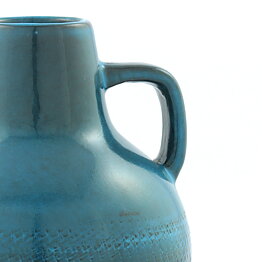
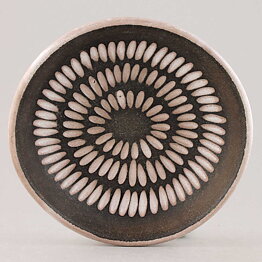
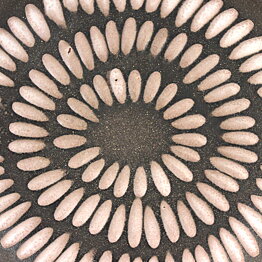
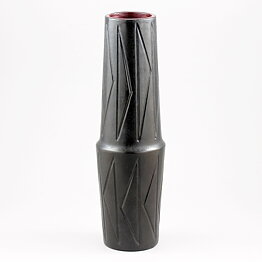
Ingrid Atterberg – A Short Biography
The early years

Experiment and creativity

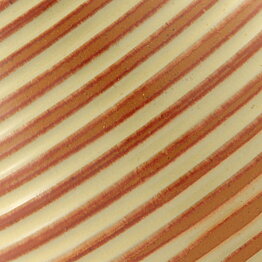
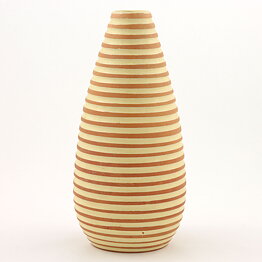
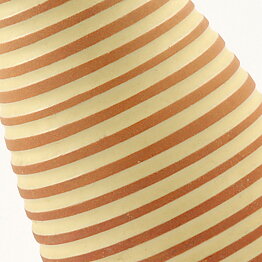
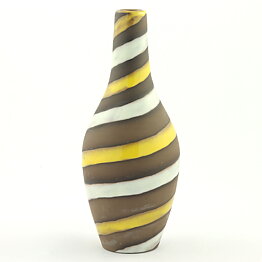
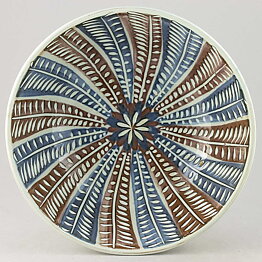
Twirling Spiral series

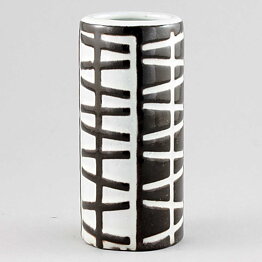
Modern Grafika series

Negro series and exotic influences

Abstract art

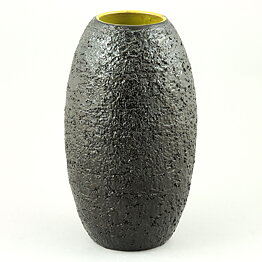
Rough Chamotte series

Unique art

After Upsala-Ekeby
Overview of Ingrid Atterberg’s Series
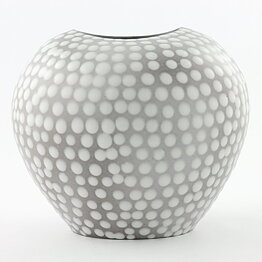
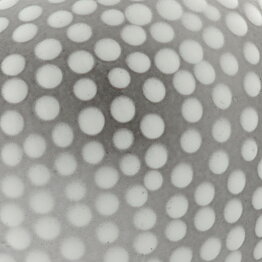
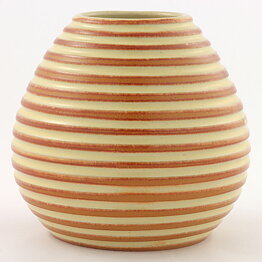
Welcome to an overview of Ingrid Atterberg’s series! The overview encompasses the majority of Ingrid’s named artwork series at the Upsala-Ekeby factory in 1943–1963. Every series is presented with name, production years, and a photo of one of the objects. 
Västkust (West Coast), 1943–1956

Decora, 1944–1953

Ljung (Heather), 1944–1953

Randi, 1944–1953

Star, 1944–1953

Inca, 1947–1953

Lapptäcke (Patchwork), 1948–1950

Jasmin (Jasmine), 1949–1953

Spiral, 1949–1958

Sommar (Summer), 1951–1953

Grafika, 1951–1954

Manet (Jellyfish), 1951–1954

Mimosa, 1952–1954

Florens (Florence), 1953–1954

Parma, 1953–1956

Retina, 1953–1956

Somali, 1953–1957

Negro, 1953–1958

Burma, 1954–1955

Domino, 1954–1955

Kaffer, 1954–1955

Pepita, 1954–1956

Corso, 1954–1963

Pylon, 1955–1956

Strega, 1955–1956

Presenta, 1955–1957

Vinga, 1955–1957

Solo, 1955–1957

Kort serie (Short series), 1956

Kongo, 1956–1957

Stretto, 1956–1957

Lansett (Lancet), 1956–1962

Colora, 1956–1965

Bukett (Bouquet), 1957

Calla, 1957

Sintergods (Sinterware), 1957

Tricorn, 1957–1958

Chamotte, 1957–1959

Bohus, 1957–1961

Plan, 1957–1961

Randa, 1957–61

Pastell (Pastel), 1958

Bianca, 1958–1959

Corinna, 1958–1959
Domani, 1958–1959

Progresso, 1958–1959

Pronto, 1958–1959

Spira (Spire), 1958–1959

Fiorella, 1958–1960

Eterna, 1958

Jail, 1959–1960

Mima, 1959–1960

Dori, 1959–1961

Yurg, 1959–1961

Gondel [green]/Yondel [yellow], 1959–1967

Sparta, 1959–1967

Papyrus, 1960

Faenza, 1960

Campo, 1960–1961

Ramo, 1960–1961

Rapallo, 1960–1961

Azur, 1960–1962

Vesuv, 1960–1962

Florian, 1961

Daria, 1961–1962

Vienna, 1961–1962

Kastanj (Chestnut), 1961–1962

Fiamma, 1961–1964

Creo, 1961–1965

Verona, 1961–1965

Bari, 1962

Fulvia, 1962–1963

Nevada, 1962–1964

Sacra, 1962–1964

Tri, 1963-1967

Roma, 1963

Bris (Breeze), 1960s

Plan, 1960s